
The Red Rooster tomato, whose characteristics and description indicate that it can be grown in any way, is included in the State Register of Breeding Achievements. This early-ripening tomato is distinguished by its high yield, flavor, and culinary versatility.
Advantages of the variety
Red Rooster tomatoes form a 60-80 cm tall bush during the growing season. This ultra-early ripening variety begins bearing fruit 85 days after germination.

Lower temperatures can delay harvesting by up to 10 days. However, even in this case, when planting 60-day-old seedlings, ripe fruits are harvested within one month.
The plant is determinate and self-stops growth, but requires shaping and partial removal of excess shoots. Vegetable growers report that cultivating the bush with three stems significantly increases yield.
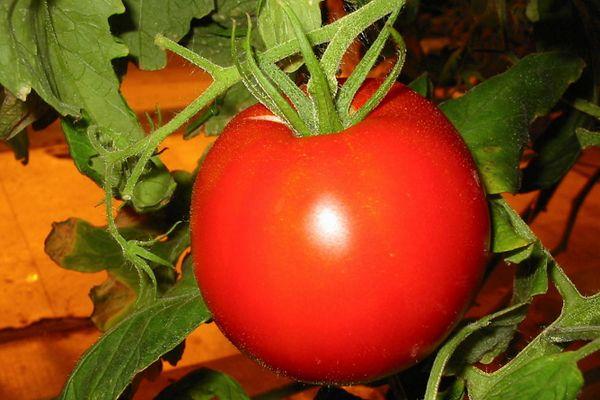
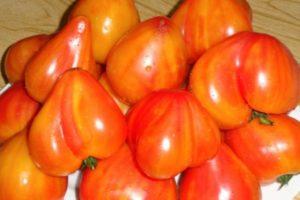
This cultivar with a strong main trunk, heavily laden with tomatoes, requires staking. Large tomatoes, weighing up to 200 grams when ripe, are bright red with a scarlet tint. The tomatoes are flat, round, with slight ribbing near the stem and a glossy surface.
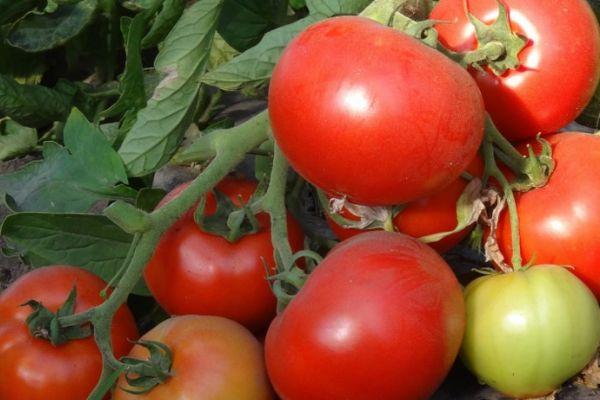
The fruit's flavor is sweet with a subtle tart note. In cooking, tomatoes are used fresh in salads and preserves. They are also pickled, added to vegetable platters, and used to make pastes and juices.
High yields, excellent marketability, and the ability to transport over long distances make it possible to grow products on an industrial scale.
Those who have planted the Red Rooster tomato note the plant's undemanding nature. It retains its ability to set fruit in any weather. With proper cultivation practices, a single plant can yield 3 kg of tomatoes.
This variety is disease-resistant, an important criterion for planting in climates with rainy summers. The Red Rooster tomato combines large fruits with a short stature, delivering consistent yields in any conditions.
Agricultural technology for tomato cultivation
The Red Rooster variety is grown using seedlings. Seeds are sown 55-60 days before the expected planting date. During this time, the seedlings will develop 7 leaves and 1 flower cluster.
Before planting, the seeds are calibrated using a solution of table salt and water. Poor-quality seeds are always found at the top of the container. The seeds are soaked in hydrogen peroxide or potassium permanganate solution and treated with a growth stimulant.
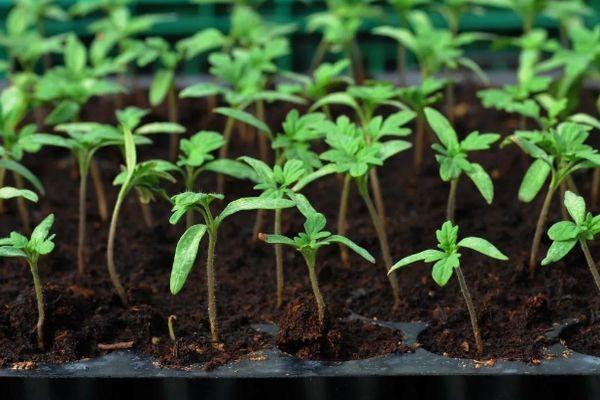
Place the seeds in a container with prepared soil mixture or substrate at a depth of 1 cm. After watering with warm water using a spray bottle, cover the container with glass or film to create a greenhouse effect. This ensures uniform germination.
The container is placed in a warm place, and after the seeds have sprouted, maximum light is provided. If necessary, daylight hours are artificially extended to 16 hours using a fluorescent lamp.
For normal development of seedlings, it is necessary to maintain the temperature and soil moisture. Water the seedlings as the surface soil dries. The plants require supplemental feeding with complex fertilizers.
When two true leaves have formed, seedlings are pricked out. This procedure allows us to weed out weak plants and stimulates root growth. Seedlings with four to five true leaves are transferred to a larger container.
Plants are transplanted to their permanent locations after the spring frosts have passed. When planting, it's important to consider crop rotation. The best predecessors for tomatoes are parsley, carrots, cabbage, and cucumbers.
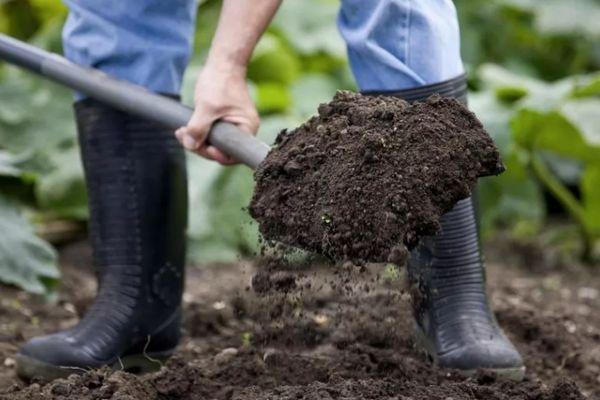
The soil for the crops should be prepared in advance, and organic fertilizer should be added. Someone who has grown the Red Rooster variety recommends an optimal planting pattern. It involves spacing the bushes 40-50 cm apart.
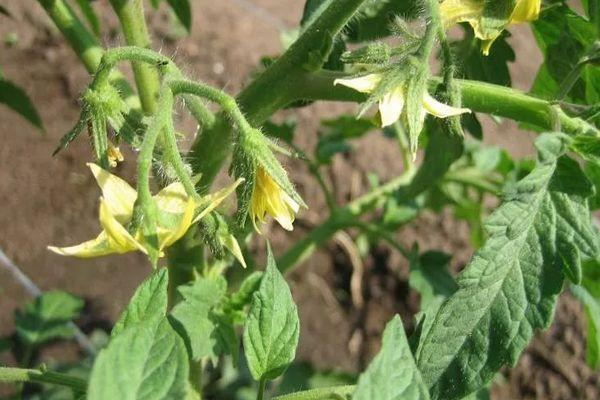
To speed up the ripening process, it's important to follow proper agricultural practices. Water the crop with warm water at the roots. Drip irrigation ensures uniform distribution of moisture.
To prevent the topsoil from drying out and control weeds, mulch with fiber or organic materials. The plant responds well to fertilizer, so it's recommended to apply fertilizer every 10-14 hours.
Although the crop is resistant to late blight, the bushes are treated with copper-containing preparations for preventative purposes.
Related posts:
 The best eggplant varieties for growing in a polycarbonate greenhouse: planting and care
 The best grape varieties for growing in the Urals, planting and care rules in summer
 80 Best Eggplant Varieties for Different Regions with Descriptions and Characteristics
 Description and cultivation technology of the Red Ball plum variety
 Descriptions of the 20 best cherry varieties for the Moscow region, their planting and care
 The health benefits and harms of cherries, rules of consumption, and their effects on the body
 Characteristics and description of the tomato variety Banana Red, yield and cultivation
 Is it possible to plant carrots in July or at the end of June? What are the best days and care instructions?