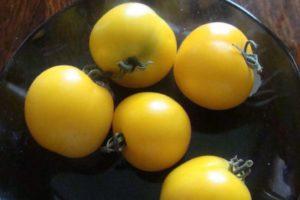
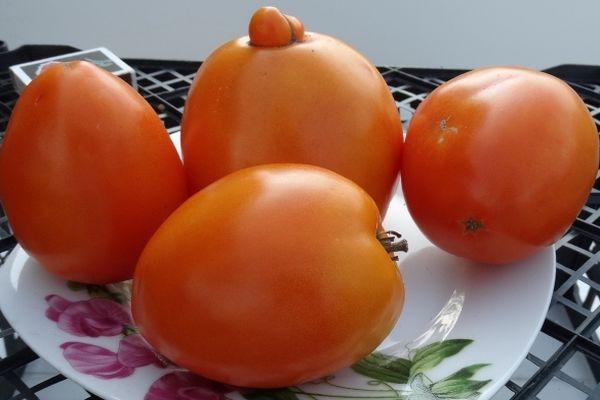
The Orange Marmalade tomato belongs to the group of hybrid varieties. It was developed by Russian breeders. The plant can be grown outdoors, in greenhouses, and in plastic greenhouses. The shape and color of the Orange Marmalade fruit resembles an orange. This variety is used to make jam, salads, and stuffed fruits. canning tomatoes in the form of wedges or whole fruits for the winter.
Briefly about the plant
The characteristics and description of the Orange Marmalade variety are as follows:
- The growing season of tomatoes from full-fledged sprouts to the first harvest is from 90 to 100 days.
- The bushes reach 0.9-1.3 m in height, so they require training. The leaves are medium-sized and light green.
- Farmers who have planted this variety note that 5-6 ovaries can develop on each bush.
- Gardeners who have grown this tomato indicate that the first inflorescence develops above the 5th or 6th leaf. Subsequent similar inflorescences develop every 2 or 3 leaves.
- Orange Marmalade tomatoes have dense, fleshy flesh. They contain a lot of sugar, giving them a sweet taste.
- The fruit weighs up to 0.1 kg. The largest berries are harvested during the first harvest.

Reviews from gardeners who have planted this variety in greenhouses indicate yields of 7.5-8 kg per square meter of garden bed. When planting tomatoes in open ground, yields are 6-7 kg per square meter.
In a cool place, Orange Marmalade retains its flavor and appearance for a long time. The tomato can be transported over medium distances.
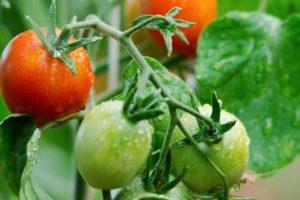
In Russia, this variety is grown outdoors in the North Caucasus and Krasnodar Krai. In other regions and in the central part of the country, this tomato should only be planted under plastic greenhouses or in greenhouse blocks. In the Far North and Siberia, well-heated greenhouses are best suited for growing this plant. This tomato is resistant to most diseases.
Take a look Also
How to grow the variety
This variety is grown using seedlings. Before sowing, the seeds are cold-treated (the seed packet is placed in the refrigerator).
Hardening in this manner continues for 14 days. Treatment with potassium permanganate is not required after this.

Each seed is planted in individual cups filled with special tomato soil. The seedlings are watered with warm water and then covered with glass. The container with the seeds is transferred to a warm room. Seedlings appear within 5-7 days. After 4-5 leaves have formed on the sprouts, the seedlings are transferred to their permanent soil.
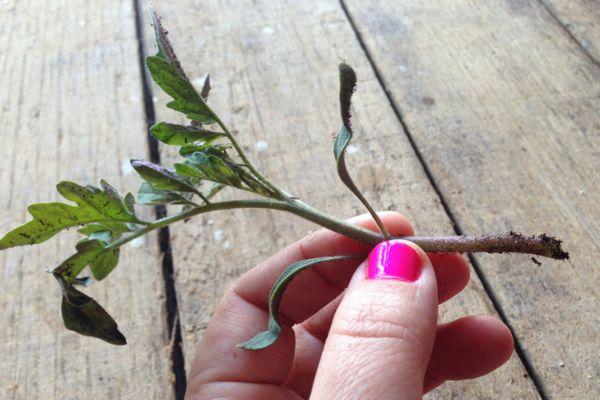
If they are planted under plastic or in a greenhouse, the planting time is mid-May. When grown outdoors, the bushes should be planted after the last frosts have passed. The planting pattern is 0.5 x 0.5 m. The bush is trained into 2-3 stems. To prevent the branches from breaking under the weight of the fruit, it is recommended to tie them to trellises or supports.
Fertilize the bushes twice during the growing season. The first time, this procedure is performed when transplanting the plants to their permanent soil. Manure and nitrogen fertilizers are added to the soil. The second time, feed the tomatoes with a potassium and phosphorus mixture when the ovaries begin to form. The bushes should be watered early in the morning using warm water, once a week.

Although the variety is resistant to various diseases, as a preventative measure, you can spray the tomato leaves with preparations that prevent the growth of fungi and microorganisms.
To combat garden pests, it is recommended to use folk methods of destroying insects or treat bushes with chemicals.
Related posts:
 11 Best Homemade Apple Marmalade Recipes for the Winter
 50 Best Pumpkin Varieties with Descriptions and Characteristics for Outdoor Planting
 Description of the best varieties of black tomatoes for open ground and greenhouses
 Description of the large beef tomato Orange Giant and the growing features of the variety
 The best grape varieties for growing in the Urals, planting and care rules in summer
 80 Best Eggplant Varieties for Different Regions with Descriptions and Characteristics
 Description of the delicious and beautiful Orange Russian tomato variety
 Description of the best tomato varieties for pickling and canning