Most people associate tomatoes with the color red. The Orange Miracle tomato is an exception. This heat-loving plant can be grown outdoors in the short Siberian summer. It thrives even better in a greenhouse, and with proper cultivation practices, the fruiting period can extend until the first frosts of autumn.
Characteristics and mineral composition of orange tomatoes
Russian agronomists have surpassed their Western colleagues and demonstrated the variety's ability to produce commercial yields in a minimal amount of time. The versatility of tomatoes lies in their ability to be consumed in any form: raw and cooked, as well as in sauces, juices, and ketchups. In addition to red and orange varieties, breeders have developed pink, yellow, and even brown tomatoes.

They all differ in quality, ripening time, yield, and resistance to diseases and pests. Orange fruits differ primarily in their micronutrient content. The color is determined by the increased carotene content. This variety has more of it than any other. Tomato is also called orange.
The beneficial properties of this variety have a beneficial effect on the human immune system. In addition to carotene, tomatoes contain a large amount of simple sugars, which are essential for energy metabolism. Carbohydrates are instantly absorbed into the bloodstream and quickly distributed throughout the cellular structure. Orange Tomatoes contain a lot of vitamin B and C, more than red tomatoes. And the absence of lycopene makes tomatoes suitable for children prone to allergies.

The characteristics and description of this variety are reminiscent of the Persimmon species, which is also an orange variety. The following plant properties are noted:
- bush type - determinate;
- the ripening period from the moment of seedling germination until the maturity is 100 days;
- shape - oval, closer to pear-shaped, with not very pronounced ribbing;
- the weight of one fruit is up to 150 g.

The tomatoes are generally medium-sized, but some grow very large. No more than five tomatoes are grown on a single branch.
Rules for caring for vegetables
A week after sowing the seeds, seedlings begin to form. The appearance of two true leaves indicates the need for thinning. Two to three feedings during the growing season will be sufficient for the seedlings to develop before planting them in their permanent fruiting location. Seven to 10 days before this, the seedlings need to be hardened off. They are placed outdoors, first for a few minutes, and then for a full day after 10 days.

Planting is done in the ground using a 40x50 cm pattern. The bush reaches a height of one meter or even slightly more. Gardeners form two shoots, which twine like a vine. To prevent the tomatoes from falling to the ground, the branches are tied to stakes or a trellis. A minimal number of stems ensures a higher yield. Up to 10 fruiting clusters allow for a harvest of 4-6 kg of tomatoes per plant. Taste: The flesh is juicy, slightly sweet without being sour.
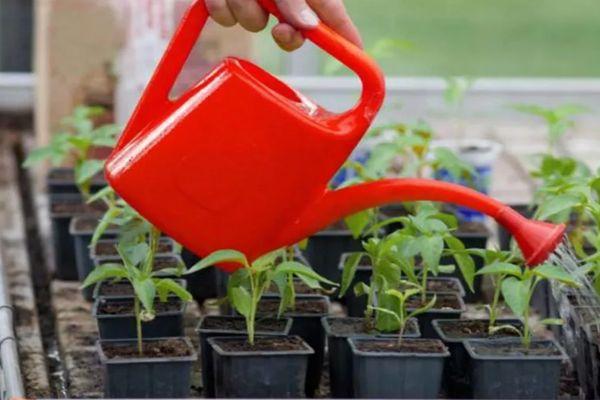
Tomato growers recommend using a drip irrigation system. To increase yield, follow these guidelines:
- apply liquid fertilizer once a week;
- During the replanting process, use root powder or wood ash;
- a newly planted plant should be immediately tied to a stake;
- Irrigation should be carried out once every 10 days;
- loosen the soil in a timely manner and mulch with finely chopped straw;
- To ensure optimal ventilation of the root stem, remove the lower leaves, especially in high humidity conditions.

Colorado potato beetles are dangerous pests for tomatoes. They must be destroyed by collecting adults, egg clutches, and larvae. If there is a window of time within three weeks before harvest, the plants can be treated with specialized pesticides.
If this is not possible (during flowering and ripening of tomatoes), the beetle is collected manually and destroyed. Gardeners' reviews confirm that this variety has good resistance to late blight. However, preventative treatment is still a good idea.
Related posts:
 Description of the best varieties of black tomatoes for open ground and greenhouses
 What is the best way to feed tomato seedlings to make them plump?
 15 simple recipes for pickling tomatoes in jars for the winter
 What fertilizers and when to use for feeding tomatoes in a greenhouse
 How to grow cherry tomatoes on a balcony: suitable varieties and planting and care guidelines
 The best and most productive tomato varieties for greenhouse cultivation in the Urals, with descriptions
 What varieties of tomatoes are best to plant in a polycarbonate greenhouse?
 Delicious recipes for canned tomatoes with honey for the winter, preparation steps