
Tomatoes are a staple summer vegetable. What vitamins do tomatoes contain, and are they really worth the effort to grow?
The value of tomatoes
Tomatoes appeared in Russia only three centuries ago, brought from South America. Initially, the plant was used only as an ornamental crop for gardens and yards. But once people discovered their flavor, they couldn't resist. Gardeners grow their own tomatoes to ensure the most natural product possible. Tomatoes are not only a tasty vegetable in the human diet, but also a valuable one.
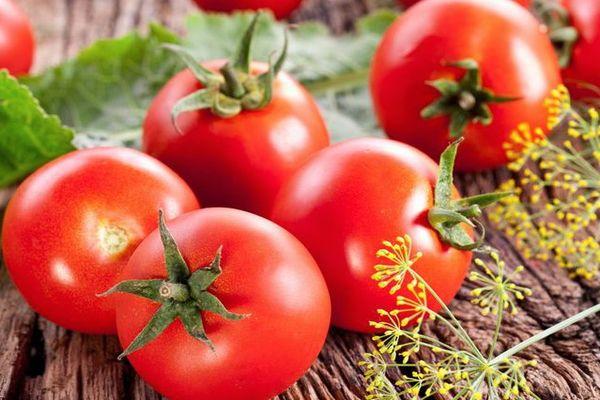
At first glance, it might seem that tomatoes lack vitamins and minerals, as their fruit is 94% water. However, regular consumption of tomatoes can provide the body with all the necessary nutrients. For example, they contain up to 15% of the daily value of B vitamins. Lycopene, the substance that gives tomatoes their red color, also plays a significant role. In the human body, lycopene prevents the development of prostate cancer.
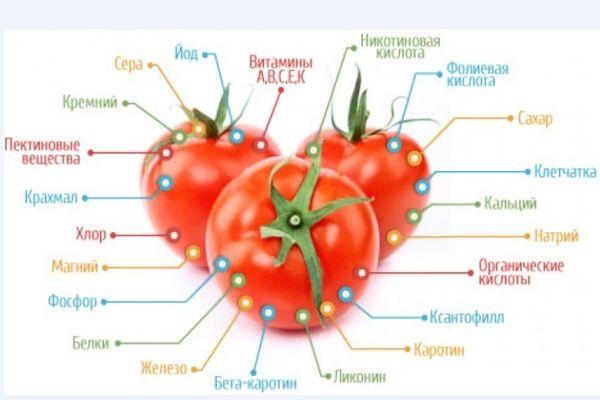
Tomatoes contain vitamins A, E, C, K, and PP. However, they contain the most vitamins from the B group (B1, B2, B5, B6, B9, and B12).
When eating tomatoes, the body receives microelements such as:
- calcium;
- magnesium;
- potassium;
- fluorine;
- copper;
- phosphorus;
- sodium;
- iron;
- zinc;
- selenium.
Like all plant foods, tomatoes contain a large amount of fiber, which has a positive effect on the gastrointestinal tract. And the organic acid they contain improves appetite.
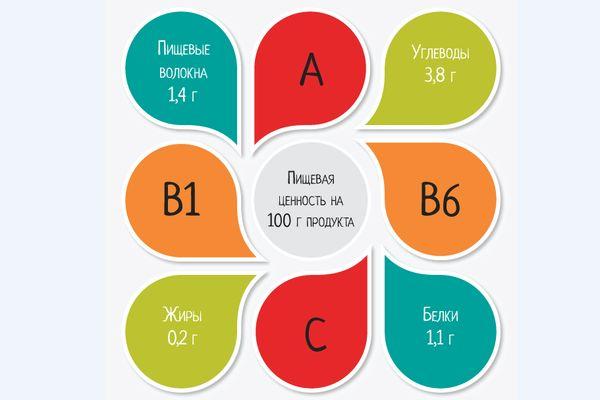
There are many varieties of tomatoes, varying not only in shape and size but also in color. The amount of beneficial nutrients varies depending on the variety. For example, classic red tomatoes contain more lycopene, while pink tomatoes contain more selenium.
Doctors recommend eating 1-2 medium-sized fruits per day to prevent colon cancer. The effectiveness of this diet has been proven in ten-year trials involving over 12,000 volunteers.

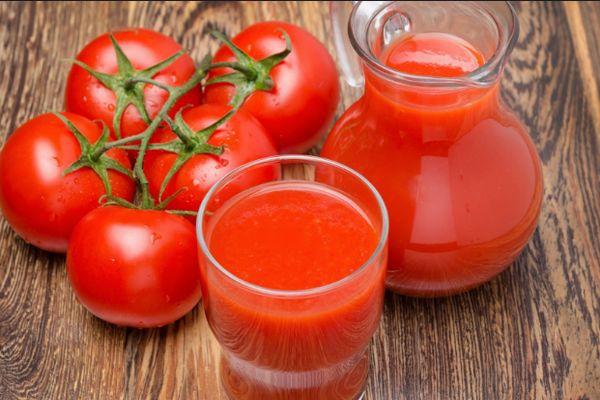
You can enjoy this natural, vitamin-rich vegetable during the summer and fall. Fresh tomatoes are also available in stores in winter, but their nutritional value is much lower. To enjoy a natural product, people preserve tomato juice for the winter. It's important to remember that some substances, such as ascorbic acid, are destroyed by boiling. However, homemade juice is still beneficial as long as you don't add too much salt or spices.
Vitamins in tomatoes
As mentioned earlier, this vegetable contains a large amount of B vitamins. Why does the human body need them? Vitamin B1 is essential for basic metabolic processes: water-salt, protein, carbohydrate, and fat metabolism. Furthermore, B1 stimulates heart function and improves vascular health.
A B2 deficiency can impair vision and weaken immunity. This vitamin is essential for cellular regeneration. B5 is involved in the production of sex hormones and is essential for bone and organ tissue growth. A B5 deficiency can impair the absorption of antibiotics. B6 is responsible for levels of the happiness hormone, stabilizes the function of all major organs, and has a mild antispasmodic effect. A deficiency of vitamin B9 leads to anemia.
Tomatoes also contain other equally valuable vitamins. Retinol (vitamin A) is essential for healthy eyes and skin. A retinol deficiency weakens the immune system, impairs heart function, reduces vision, and skin lesions heal poorly. Furthermore, retinol is one of the most powerful antioxidants.
Vitamin E (tocopherol) slows aging, strengthens blood vessels, normalizes blood pressure, and oxygenates tissues. Tocopherol normalizes the functioning of the reproductive system; a deficiency of this vitamin impairs nutrient absorption.
Everyone knows that vitamin C boosts immunity, but that's not all it can do. Ascorbic acid detoxifies the body, promotes blood cell renewal, and has anti-allergy properties. The vegetable contains a significant amount of vitamin K, which helps absorb calcium. Furthermore, this vitamin is essential for kidney function.
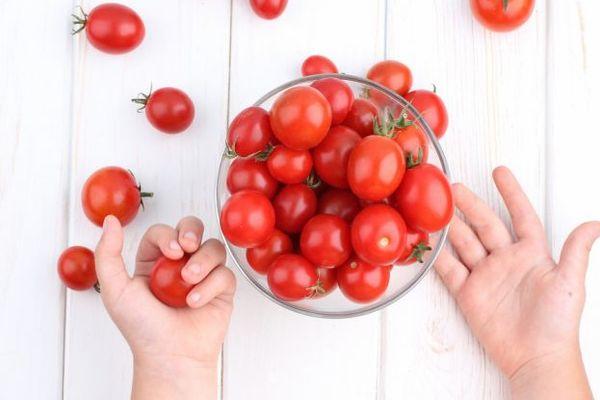
Based on the vitamins contained in tomatoes, we can conclude that the vegetable is not just healthy, but essential for the normal functioning of all organs and systems.
Benefits of microelements
Tomatoes not only contain vitamins but also numerous micronutrients. Eating 2-3 tomatoes a day is enough to provide the body with essential nutrients.
Because tomatoes contain potassium, they are beneficial for the cardiovascular system and those suffering from edema. Iron is essential for hemoglobin production, and calcium strengthens bones. Phosphorus stimulates metabolism, while zinc is essential for healthy hair and skin. Magnesium is a natural antioxidant, helps combat stress, and strengthens the nervous system.
Tomatoes should be included in the diet of people suffering from atherosclerosis and prone to blood clots. They improve performance by stimulating brain activity. Choline, found in tomatoes, helps eliminate bad cholesterol and prevents plaque buildup in blood vessels.
The amount of vitamins and microelements depends on the ripeness of the vegetable. Unripe fruits are low in carotene, which fights oxidative stress in the body. Only ripe tomatoes should be consumed.
Not many people know that tomatoes help fight obesity, largely due to their low calorie content. But it's not just the nutrients they contain (fiber and chromium) that keep you feeling full.
Harm and contraindications
Like all foods, tomatoes can be harmful to health under certain circumstances. Tomatoes are healthy because they contain a large number of vitamins and minerals. However, it is precisely this abundance of nutrients that makes them unsuitable for children under 3 years of age. A child's body is unable to digest such complex foods. The strain on the gastrointestinal tract can lead to indigestion.
Eating too many tomatoes can cause an allergic reaction, typically manifesting as a skin rash. Excessive consumption of the vegetable can lead to digestive problems and even trigger heartburn.
Take a look Also

Tomatoes contain a small amount of oxalic acid, which can exacerbate gout and some kidney diseases. The product has a choleretic effect, so it is not recommended for people with gallstones.
It should be excluded from the diet for those with arthritis and osteochondrosis. In joint disease, the acids in tomatoes can disrupt the salt balance, which can exacerbate the condition.
Tomatoes are contraindicated in people with bronchial asthma, amenorrhea, allergies, and intolerances to the product or its components. People with gastritis and hypertension should only eat fresh vegetables and avoid pickles. It's not the tomato itself that's harmful, but the salt and vinegar used in cooking.
Green tomatoes contain no vitamins, but they do contain a toxic substance called solanine. Green tomatoes should never be eaten raw. However, the pickling process breaks down and neutralizes the toxin, so the product poses no harm.
Related posts:
 The best eggplant varieties for growing in a polycarbonate greenhouse: planting and care
 Methods for planting and propagating cherries at home
 How to control carrot flies with medications and folk remedies
 The health benefits and contraindications of black currants
 Description of varieties of sowing peas and cultivation, to which family they belong
 The best grape varieties for growing in the Urals, planting and care rules in summer
 The health benefits and harms of cherries, rules of consumption, and their effects on the body
 Top 40 DIY New Year's Baking Recipes for 2020