If a gardener is looking for a low-maintenance tomato that will produce plenty of fruit even in adverse weather conditions, the Pink Stella tomato is the perfect choice. This variety was bred for successful tomato cultivation even in the northern regions of the country. Since its introduction, Pink Stella has won a huge following.
The history of the tomato
This variety boasts excellent hardiness. Thanks to the work of Novosibirsk breeders, a tomato with exceptional resistance to many diseases has been created. But most importantly, this variety can grow even in cold summers without affecting its yield. Its ability to withstand various weather conditions has made Pink Stella one of the leaders in Siberian breeding.
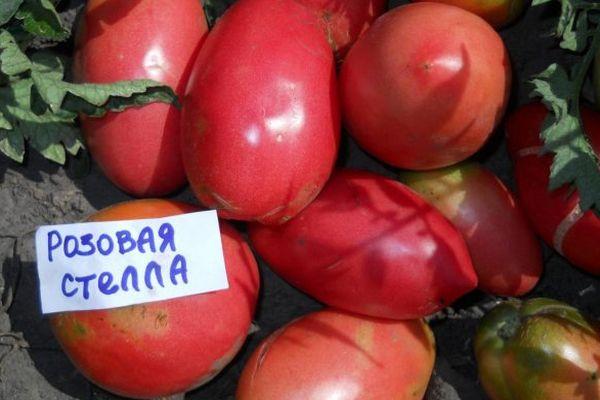
It's worth noting that this variety was given a different name after its introduction. For several years, the Russian company "Sibirsky Sad" sold tomatoes under the name "Superserdtsevidny." However, demand for these tomatoes ultimately proved to be low, as the name proved unfortunate—long and awkward. It was then decided to rename this hardy tomato "Pink Stella."
The variety was added to the State Register over 10 years ago. Interestingly, the tomato's official name retains the author's "stella," although retail seed packages always list it as "Pink Stella." This is a minor oversight, however, as its positive characteristics have made it extremely popular among Russian gardeners, who have awarded it this "star" status.
Characteristics of a tomato
Those who have already appreciated this variety note that it is the earliest of the large-fruited tomatoes and the largest of the early ones. The plant is considered very hardy and can produce fruit even in the open ground during less favorable summers. However, if the weather promises to be too cold and rainy, it is best to protect the tomatoes under plastic cover. This will not harm the harvest.
There are very few agronomic requirements for growing the Pink Stella variety. The plant is considered semi-determinate, so it is recommended to tie it to a support. Also, for better yield and faster ripening, side shoots can be removed.
Garter is recommended not only to prevent the plant from falling over in the wind, but also to preserve the harvest. Tomatoes appear in large numbers on the bushes, which can easily crush even a robust plant. Therefore, don't skimp on staking.
Regarding diseases affecting Pink Stella tomatoes, the description suggests the plant has a fairly strong immunity. However, there are cases of late blight affecting the bushes. Preventative spraying with specialized products is the best way to reduce the risk of infection.
Pink Stella bushes grow quite dense but compact, especially if excess branches are removed. Therefore, fairly close planting is acceptable: up to 6 plants per square meter can be placed. This can achieve a yield of 18 kg per square meter.
Description of fruits
The variety's characteristics and description indicate that Pink Stella tomatoes are early-ripening. This means they can be harvested as early as 90 days after sowing the seeds outdoors.
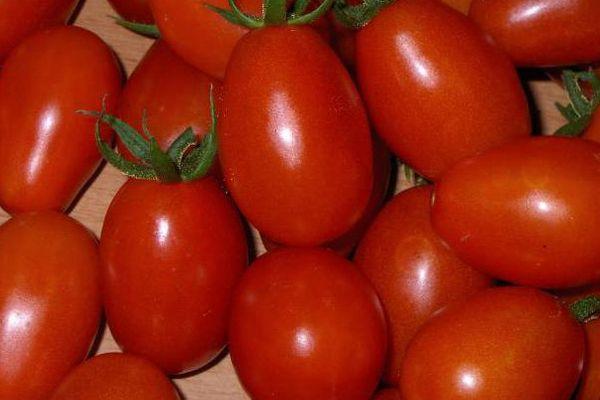
A distinctive feature of this variety is its rapid cluster formation, even in unfavorable weather conditions. After the first ovaries appear, subsequent clusters form every other leaf. This ensures high yields even on small bushes.
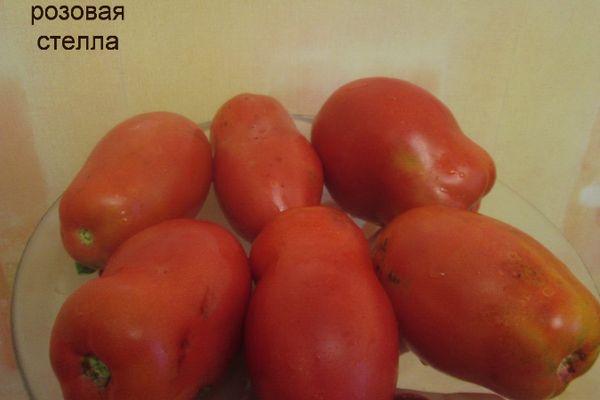
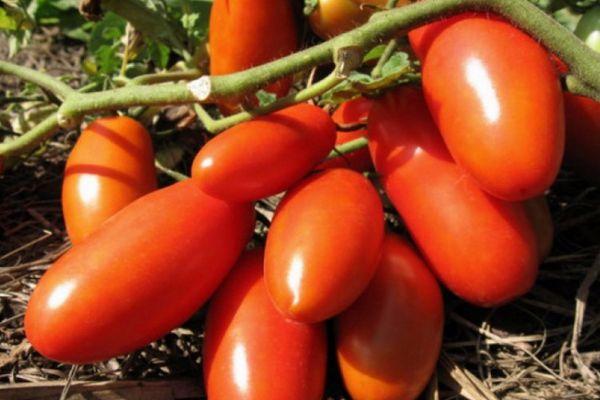
Pink Stella fruits vary in size. The lower clusters can produce tomatoes up to 500 g, while closer to the top they will become smaller, weighing no more than 150 g. The tomatoes are a rich pink and very beautiful. The fruits have an interesting pepper-shaped, slightly elongated shape.
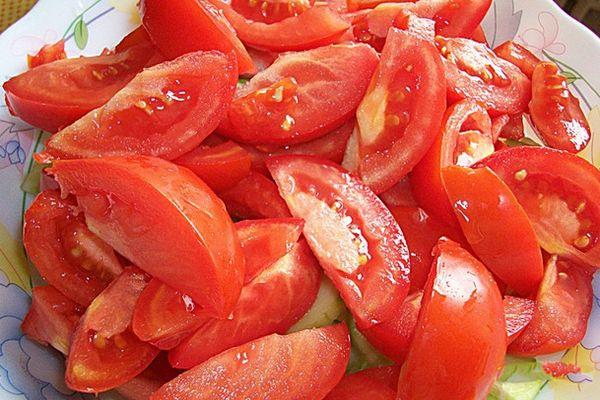
These tomatoes are perfect for summer vegetable salads and fresh eating, as evidenced by numerous reviews from those who have already planted this variety. They have sweet flesh and thin skin. They can only be used for preserving, such as making juice or sauce. They are not suitable for whole-fruit canning or long-term storage.
Related posts:
 Descriptions of the 20 best cherry varieties for the Moscow region, their planting and care
 The best grape varieties for growing in the Urals, planting and care rules in summer
 80 Best Eggplant Varieties for Different Regions with Descriptions and Characteristics
 Description of the 90 best varieties of beans for open ground with names
 Beginner's Guide to Growing Grapes in Open Ground in Central Russia
 Description and cultivation of the Bryansk pink cherry variety, pollinators
 Description of 30 varieties and types of Muscat grapes, planting, cultivation and care
 Description and characteristics of the 25 best blackcurrant varieties for Siberia