
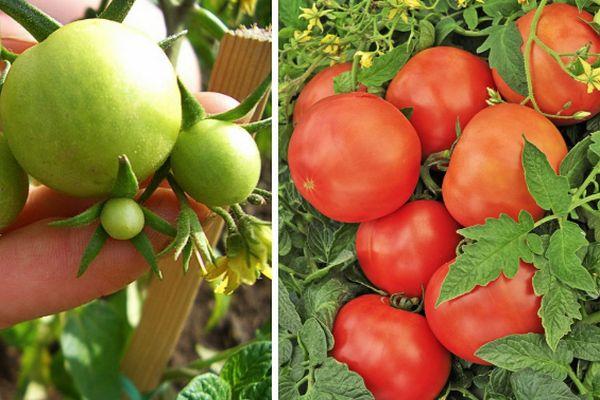
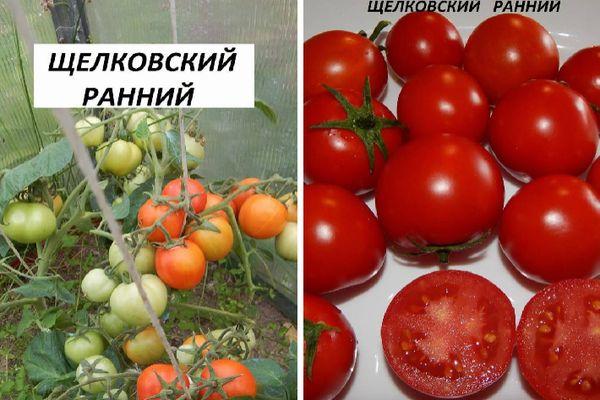
Many gardeners are interested in the Shchelkovsky Ranniy tomato, its characteristics and description, as well as growing methods. This tomato has a wide following. This variety was developed in our country back in the 1980s. Growing it is not difficult; you just need to familiarize yourself with the variety's characteristics and growing guidelines.
Characteristics of the variety
- when 90-100 days have passed since sowing, ripe red fruits can be collected from the bushes;
- Shchelkovskie rannie tomatoes are an early-ripening variety, so they are ideal for those who can’t wait to see the results of their efforts;
- Shchelkovsky early tomato is a non-hybrid variety;
- tomatoes don't get sick because they ripen early and don't have time to get sick;
- This is a standard plant that grows up to 35 cm in length;
- It grows both in greenhouses and in open ground; many vegetable growers grow bushes on balconies in large pots.
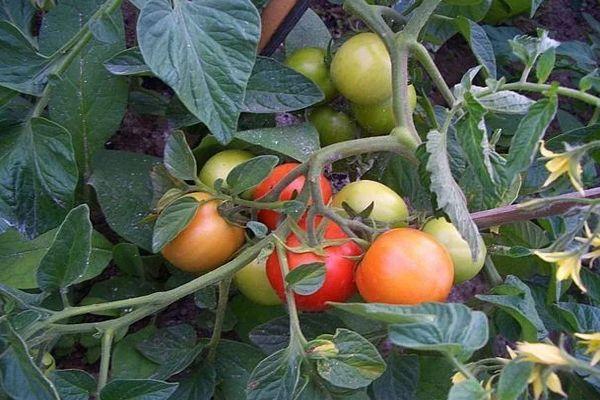
Ripe fruits are small, but yield is high. Each tomato weighs between 40 and 60 grams. They have a classic, slightly tart flavor. Unlike modern hybrid tomato varieties, Shchelkovsky tomatoes do not store well for long periods.
How are tomatoes grown?
Before sowing, it's recommended to prepare the seeds and soil, as well as a shallow container in which the first shoots will emerge. You can follow all the growing guidelines, but if the seeds you're planting are of poor quality or contaminated, you won't be able to grow a healthy plant. Seeds stored in improper conditions for more than five years are considered unsuitable for planting. To avoid this problem, test and disinfect the seeds before planting.
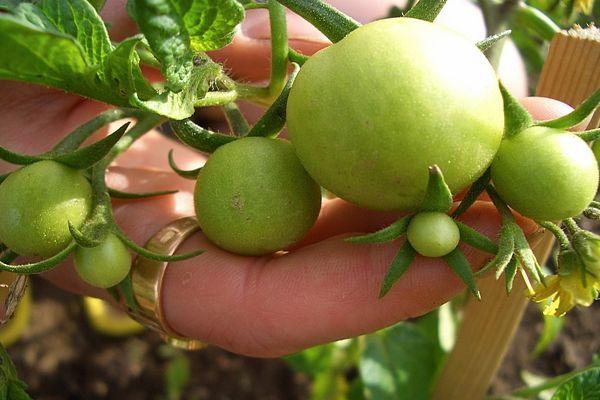
To do this, place the seeds in salt water (dissolve 1 tablespoon of salt in 200 ml of water) and wait until they begin to sink to the bottom. Any seeds that float to the surface are empty and can be discarded immediately, as they are not suitable for sowing.
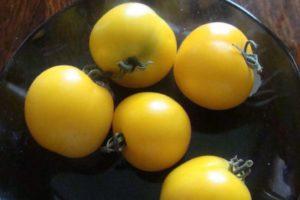
For disinfection, you'll need a 1% solution of potassium permanganate. It's prepared using 1 g of potassium permanganate per 1 liter of water. The color should be pink. Soak the seeds in the solution for half an hour. Another option is to treat the seeds with a 3% hydrogen peroxide solution. Soak the seeds in it for no more than 10 minutes.

To prevent fungal and bacterial diseases, you can use phytosporin. Dissolve 4 drops of the substance in a glass of water and soak the seeds for several hours.
To increase yield, it is recommended to treat the seeds with a growth stimulant before planting, for example:
- Epin.
- Immunocytophyte.
- Virtan-Micro.
- Sodium and potassium humates.
- Aloe or potato juice.
You can skip soaking the seeds, but to ensure all the seeds germinate, you can wrap them in a piece of cloth and pour warm water over them. Be sure to keep the cloth moist. Once the sprouts appear, you can begin planting.
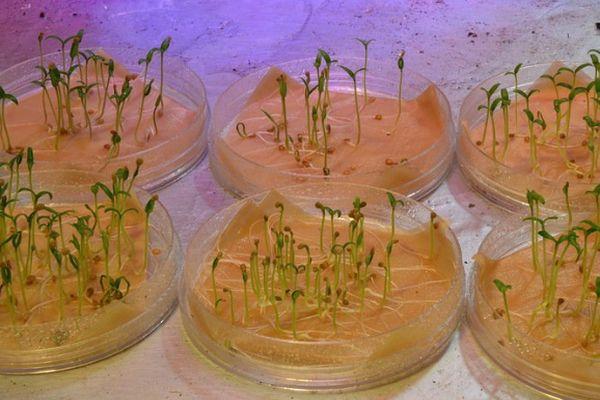
Each seed is planted 2 cm deep in the soil, leaving a small distance between each seed. After planting, the soil should be lightly watered and the container covered with plastic film to retain moisture and heat. When the first shoots appear above the soil surface, the film should be removed, and the container with the seedlings should be placed under light in a warm place. Seed planting begins in late March.
Transplant the seedlings after 4-5 leaves appear. It's best to plant them in small plastic containers so that they can be easily removed without damaging the roots when transplanting into the ground. When caring for the seedlings, remember that they prefer light and warmth. Water sparingly, as the soil dries out. Fertilizing will also benefit the plant.
Before planting, loosen the soil and dig shallow holes, spacing them slightly apart. The seedlings are placed in the soil to a depth of 10 cm. After covering the roots with soil, water the plant with warm water.
Let's look at how to grow tomatoes. There's no need to shape or pinch the plants. Since the plant has strong stems and roots, it doesn't need staking. After the first inflorescence appears, the lower leaves should be removed, exposing the stem. It is recommended to cut off the first flowers to stimulate the appearance of more inflorescences.

During the growing season, fertilize the soil three times, every two weeks. Water the root system infrequently, but don't let the soil dry out. The room where the tomatoes are growing should be frequently ventilated to prevent moisture from lingering in the air. Excessive humidity can cause the plants to shrink and lose vigor.
Gardeners' reviews of this variety are positive. Early-ripening tomato varieties grow best when planted in large pots or grown in a greenhouse, thus providing optimal growing conditions.
Related posts:
 Carrot care guidelines for outdoor cultivation to ensure a good harvest
 Is it possible to soak treated cucumber seeds before planting and how to do it correctly?
 Is it possible to grow an apricot tree from a seed in your garden? How to plant and care for it?
 The best eggplant varieties for growing in a polycarbonate greenhouse: planting and care
 Why didn't the carrots sprout and what should I do? How to plant them so they sprout quickly?
 Planting and caring for cherries, feeding and growing rules
 How to properly plant peas in a greenhouse and open ground
 How to properly grow a peach tree from a seed at home, planting and care