
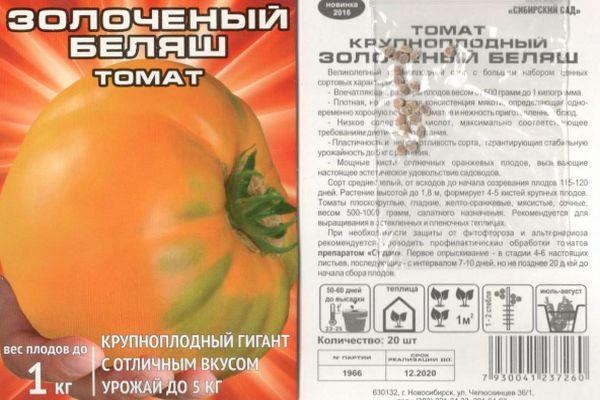
Among the new garden varieties, the Zolotcheny Belyash tomato from the domestic seed supplier "Sady Sibiri" stands out. This easy-to-grow and high-yielding variety was a hit with gardeners who tried growing it in the summer of 2017.
Characteristics of the variety
The variety description classifies it as a determinate variety, although the bushes are quite tall. In greenhouse conditions, Zolotochny Belyash tomato bushes can grow up to 1.8 m. The stems are strong, prone to branching, and require pinching. Like all tall tomatoes, Zolotochny Belyash requires support. For a good harvest, the plant is trained into 1-3 stems.
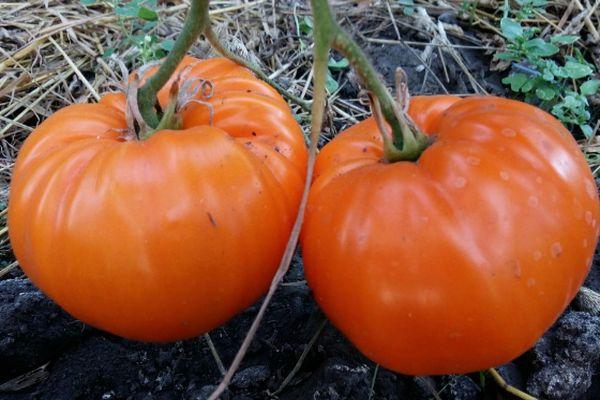
In central Russia and Siberia, the Zolotcheny Belyash tomato can only be grown in a greenhouse or under plastic. This mid-season variety produces its first harvest only in the second half of July, and outdoor cultivation lacks sufficient sunlight for the final fruits to ripen and mature. Extending the growing season is only possible by growing the plant indoors.
A single plant yields 5-6 kg of marketable fruit. Planting 3-4 bushes per unit area will yield a moderate, but still sufficient, harvest.
The Zolotcheny Belyash tomato variety is resistant to most fungal diseases. Removing the leaves on the lower third of the stem is also used to prevent infection. This allows for better ventilation and increases the supply of nutrients to the fruit.
Fruit characteristics
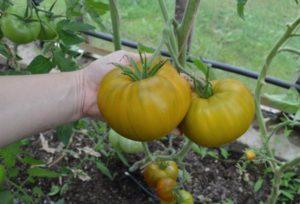
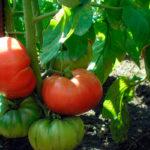
The Zolotcheny Belyash variety is classified as a beef tomato. These tomatoes are characterized by large, sometimes gigantic, fruits. A Zolotcheny Belyash tomato bush produces 3-5 clusters per season, each bearing 4-6 ovaries. An average tomato weighs around 700 g, but with proper care, true giants, weighing up to 1 kg, can grow on the lower tier.
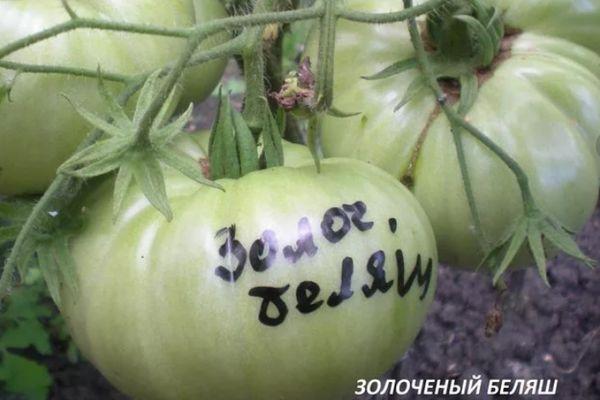
Tomatoes have an unusual shape: flattened and round, the fruits are prominently ribbed at the base, and there's a depression near the stem. The tomatoes are flattened at the ends, giving them a truly belyash-like shape. The attractive yellowish-orange coloring gives rise to the name of these beautiful golden tomatoes.
The fruit's skin is not very thick, but it is quite durable. The fruits are easy to transport when ripe. They can be stored for several days without losing their appearance or flavor.
The flesh is firm but not coarse, with a pleasant texture. The seed chambers are almost invisible when cut, containing a few small seeds. The variety's characteristics fully meet the requirements for beefsteak tomatoes. The flesh is a uniform, light yellow color.
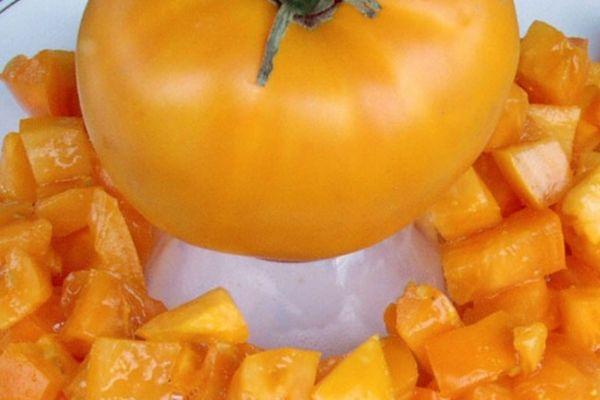
The taste has received excellent and favorable reviews. The tomato contains low levels of acidity, and its flavor can be described as sweet, with a delicate fruity aroma. Like all light-fleshed tomatoes, it is hypoallergenic and suitable for dietary and baby food.
The primary use of the Zolotcheny Belyash variety is for salads and fresh consumption. This tomato makes a delicate appetizer, and its fleshy flesh is also perfect for sandwiches. Sliced golden tomatoes paired with pink or red tomatoes will look impressive even on a holiday table.
Domestic gardeners don't limit themselves to salad varieties. Despite their pale color, the tomato pulp is used to make delicious and healthy tomato juice. Large tomatoes cannot be preserved whole, but large wedges can be included in salads intended for winter preservation.
Agricultural technology of cultivation
Mid-season tomatoes are grown using seedlings. It's best to plant 80-90-day-old seedlings in a greenhouse. This way, the tomatoes will begin to ripen approximately 1.5 months after planting. You can calculate the seed sowing time by counting the specified 90 days from the onset of warm weather in the region.
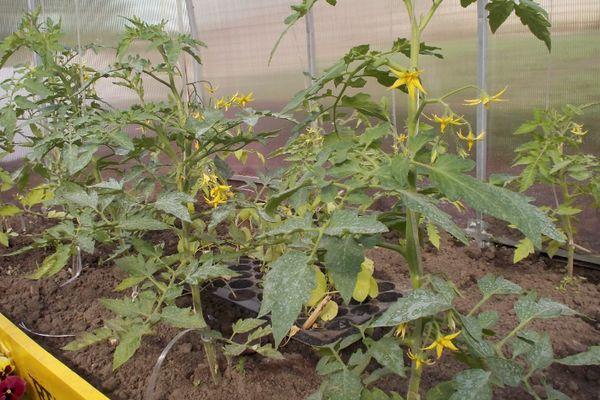
Growing seedlings indoors is quite difficult—they can become leggy over such a long period of time. In this case, planting is done horizontally, in trenches. Only 4-5 leaves from the top of the bush are left above the soil.
To produce high-quality tomatoes, the bushes should be fed with special fertilizers such as "Signor Tomato" and "Kristallon Tomato." Do not exceed the dosages indicated on the packages.
It is not recommended to use fresh organic matter (manure, droppings, compost) for fertilizing, as the root system of tomatoes is sensitive to the burns they can cause.
Reviews from gardeners indicate that by leaving 3-4 of the largest ovaries on the brush, you can get especially large fruits (weighing 900-1000 kg).
Related posts:
 What is the best way to feed tomato seedlings to make them plump?
 What fertilizers and when to use for feeding tomatoes in a greenhouse
 What is the best way to mulch tomatoes in open ground and greenhouses?
 How to prepare tomato seeds for planting seedlings
 The best and most productive tomato varieties for greenhouse cultivation in the Urals, with descriptions
 Description and characteristics of the best indeterminate tomato varieties for greenhouses
 Description of the best varieties of seedless tomatoes and cultivation technology
 Description and characteristics of the best tomato varieties for the Moscow region