
Growing tomatoes outdoors in the Moscow region has many unique challenges. Firstly, due to the climate, as this region enjoys relatively cool temperatures compared to the southern part of our country. However, even in the central part of the country (which includes the Moscow region), you can grow a good tomato harvest outdoors without the use of cover.
Gardeners are interested in how to do this correctly. After all, the average temperature for tomato growth should be between 22 and 25°C. It's worth discussing this issue and finding the right solution.
How to grow tomatoes outdoors
To ensure tomatoes thrive in open ground in the Moscow region, a number of rules must be followed. These steps create the conditions for successful tomato growth.
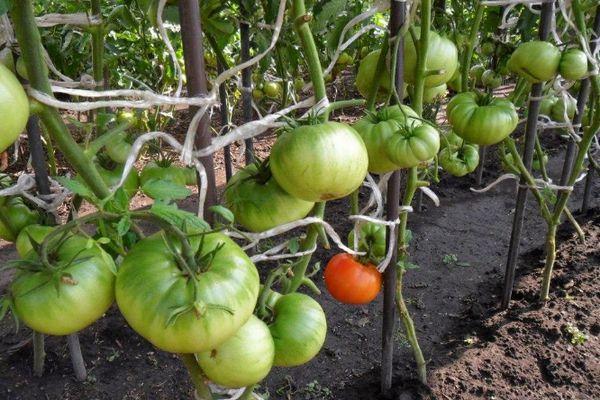
Choosing a place to plant tomatoes.
In this case, it is necessary to take into account a number of factors:
- Tomato plants need to be exposed to constant sunlight throughout the day. This will speed up ripening, keeping the fruit soft and delicious.
- Nightshade crops, such as potatoes, should be the first crop in the garden. Other precursor plants that are beneficial for tomato growth include root vegetables (carrots, beets, turnips) and legumes (beans, peas, soybeans). You can plant tomatoes in soil previously occupied by corn. However, if you decide to plant tomatoes in the same spot two years in a row, the results will be disappointing.
- Do not plant seedlings in soil where manure has just been spread.
- When choosing a site for planting tomatoes, avoid low-lying areas where melted snow and rainwater can drain. Choose raised beds.
Soil and its preparation
The soil for planting is prepared in the fall. Leaf mold or cow manure is added. During this time, soil bacteria will decompose and release nutrients into the substrate.
Growing tomatoes in open ground The soil pH must be determined at least approximately, as tomatoes will not grow properly in an acidic environment and will also have poor growth.
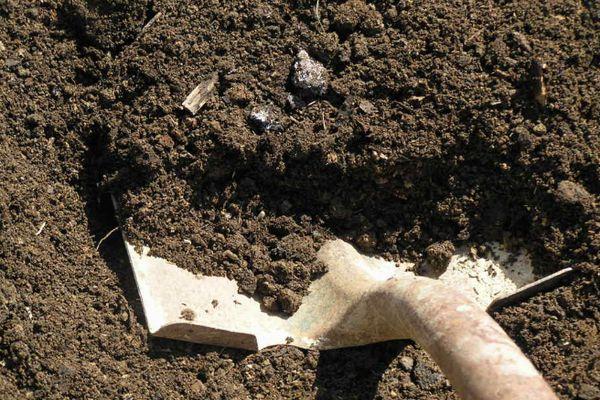
Plants such as sorrel, horsetail, and wood sorrel act as substrate indicators. They determine the acidity of the soil. To reduce acidity, add charcoal or chalk to the soil, digging it in thoroughly and watering it generously. This should be done at least two weeks before planting the seedlings outdoors, preferably in the fall.
When cultivating, remember that the soil also requires various fertilizers; these are also recommended for application in the fall. These include:
- phosphorus;
- potassium;
- superphosphate;
- orthophosphate;
- ammophos;
- diammonium phosphate;
- potassium sulfide;
- potassium nitrate;
- nitrogen.
There are fertilizers that quickly leach out of the soil. These should be applied early in the spring. Ammonium nitrate is one such fertilizer. However, be careful not to overdo it, as too much fertilizer affects generative (flowering) shoots, reducing their production. This is especially true for nitrogen, which should be applied in small amounts.
Planting tomatoes "collective farm style"
It's best to plant tomatoes in a small area, no more than 0.5 hectares. This will be the most appropriate solution for this region.
Low-growing, determinate varieties bred specifically for northern climates are selected. The beds are prepared in advance; tomatoes are planted in two rows in a staggered pattern. The distance between seedlings should be 40 cm.
There's no need to tie up the tomatoes; the entire bed is covered with a layer of hay or straw. As the plants grow, they lie down on this mat, thereby protecting them from the effects of temperature extremes and various insects.
Low-growing varieties don't require shaping, but it's best to remove all side shoots before the first flower cluster. The planting process requires minimal care and is suitable for gardeners with limited time to plant.
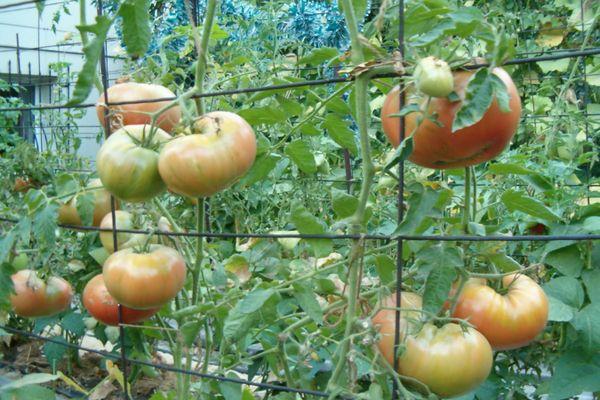
Preparing soil for planting tomatoes in the Moscow region
It's best to purchase soil for tomato planting in advance. This isn't necessary, but it's recommended. If you choose to prepare the soil yourself, you'll need the following:
- peat;
- humus;
- turf soil.
Take all ingredients in equal quantities and mix. Now you can transfer the soil into seedling pots and compact it. Avoid deep pots; their depth should be no more than 10 cm. Before planting the seeds, water the soil thoroughly. Afterward, make a 5 mm deep hole in each pot.
Take a look Also
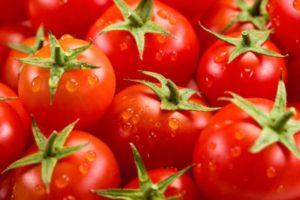
For convenience, you can use a box. In this case, plant the seeds 3 cm apart. After placing the seeds in the holes, you can cover them with soil. Planting is complete; now spray the soil with water. A spray bottle is suitable for this. When planting seeds in boxes, remember not to plant seeds of different tomato varieties in the same container.
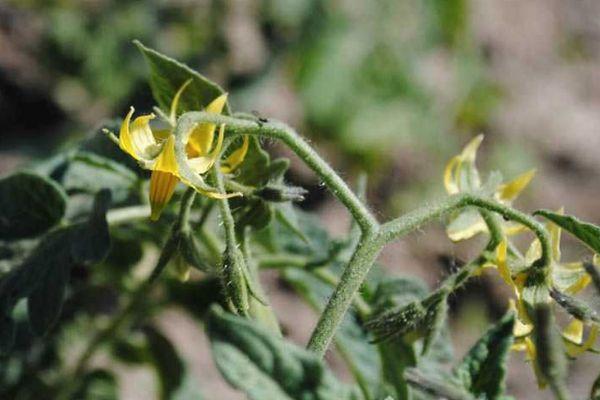
After planting, cover the seed containers with plastic wrap. This will keep the soil moist for a long time. Afterwards, place the pots with the seedlings in a warm place to encourage germination as quickly as possible.
The room temperature must be constantly monitored. This is because the nighttime temperature should not fall below 12°C, and during the day, not below 20°C. This will determine how quickly the seedlings will emerge.
The seeds will germinate faster if the air temperature is warmer. At 28°C (82°F), the first shoots will appear in 4-5 days. At 23°C (73°F) or lower, germination will take a week. You can also use supplemental lighting, such as a fluorescent lamp.
Water the plants with warm rainwater; if you don't have that, boiled water will do.
While the plant is weak, use a spray bottle to avoid damaging the tomato seedlings. Every 10 days, add fertilizer to the soil, such as composted manure diluted with water. Caring for tomatoes is a complex and labor-intensive task.
Planting tomatoes in open ground
Planting in the Moscow region begins in mid-May. However, this will depend on weather conditions. If you've already planted the seedlings and the temperature drops, it's best to cover them with plastic.
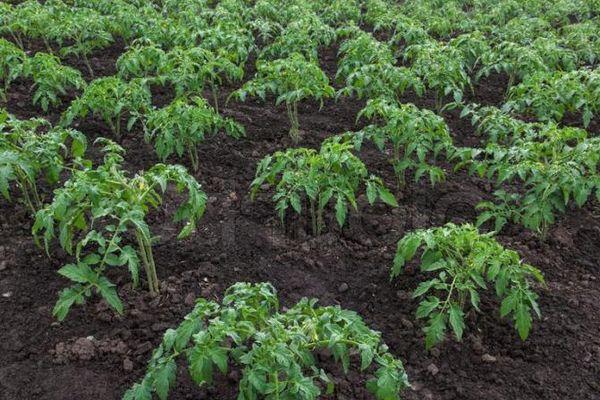
Before planting, dig the soil thoroughly. Make holes 30 cm wide, spaced 50 cm apart. The distance between rows is approximately the same or slightly smaller. It's a good idea to add a weak solution of potassium permanganate to each hole. When the seedlings reach 35-40 cm in height, they can be planted outdoors.

The first watering after planting occurs after 1.5 weeks. This period can be shortened if the weather remains consistently dry. Avoid watering during cold weather, as this will encourage fungal diseases.
If unfavorable weather persists for a long time, it's important to consider a watering system. Avoid watering the tomato plants' leaves and flowers. Fertilizer can be added to the soil after flowering begins. Once the fruit ripens, water frequently. It's best to water in the evening with warm water. Avoid overwatering the soil and plants when the sun is at its zenith—this will only dry out the soil and burn the leaves.
The bushes are hilled up from time to time. Tomato varieties intended for the Moscow region, due to their characteristics, require very careful care.
You can also lay mulch on the soil. This will retain moisture in the soil, and you'll need to water the tomatoes less frequently. It will also reduce weed growth. When you water the tomatoes, remove the mulch and then reapply it. Hay or straw are good choices for mulch.
Growing tomatoes in the Moscow region is challenging for beginners, but quite rewarding. Once the results of your efforts are appreciated, you'll experience true satisfaction. However, caring for tomatoes intended for planting in temperate climates isn't as easy as it seems, so be patient beforehand.
Related posts:
 What is the best way to feed tomato seedlings to make them plump?
 What is the best way to mulch tomatoes in open ground and greenhouses?
 What fertilizers and when to use for feeding tomatoes in a greenhouse
 How to prepare tomato seeds for planting seedlings
 The best ways to properly tie up tomatoes in open ground and greenhouses
 How to properly plant peas in a greenhouse and open ground
 When and how to properly transplant tomato seedlings, the best days in 2025
 The best and most productive tomato varieties for greenhouse cultivation in the Urals, with descriptions