
The Aurora tomato is listed in the State Register of Breeding Achievements and is recommended for cultivation in open ground and under plastic covers. This variety is characterized by early ripening, consistent yield, and excellent taste.
Advantages of the variety
The Aurora F1 tomato is a first-generation hybrid, designed for cultivation in open ground and plastic greenhouses. This determinate plant reaches a height of 80-90 cm during the growing season.
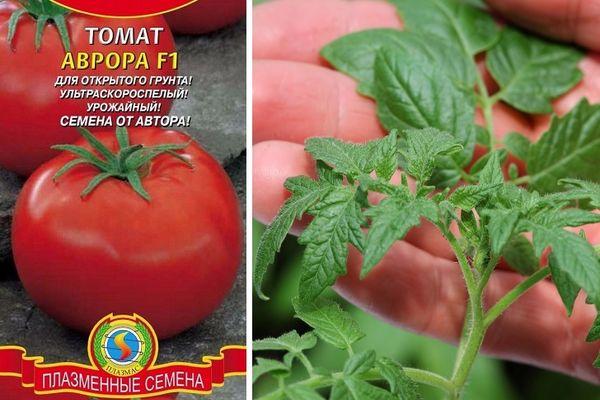
The variety's description is based on the bush's characteristics. This cultivar has a small number of loose, intensely green leaves, typical of tomato varieties.
The first flower stalks appear at the level of the 5th to 7th leaf. The remaining flower clusters are spaced every two leaves. It is recommended to tie the bushes to a vertical support.
To increase yield, it is recommended to plant the plant in single stems. This early-ripening variety begins bearing fruit 80-85 days after germination.
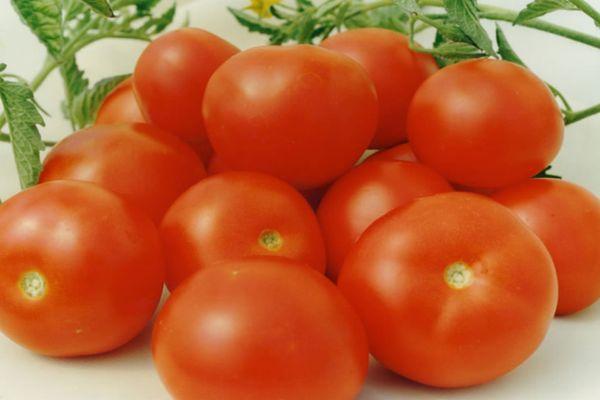
Aurora tomatoes are round in shape, without the characteristic green spot near the stem. Unripe tomatoes are light green, turning red when ripe. Fruit weight ranges from 110 to 180 g. The variety's characteristics and description indicate high yields, reaching 12-16 kg per square meter when planted at a density of 6-8 plants.
Thanks to their thick skin, the fruits withstand long-distance transportation well. The hybrid's value lies in its consistent yield, early ripening, and excellent taste. This tomato is suitable for fresh consumption, ketchup and sauce production, and canning.
Cultivation techniques
Growing the Aurora variety is essentially the same as caring for other tomatoes. Seedlings grown from hybrid seeds are suitable for planting in open ground and greenhouses.
Seeds are planted for seedlings after treatment with an aqueous solution of potassium permanganate and a growth stimulant. The seeds are placed in containers with prepared soil mixture at a depth of 1 cm.

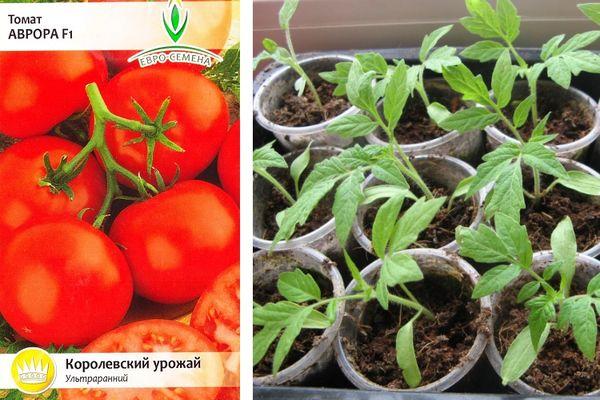
After watering with a spray bottle, cover the container with plastic wrap until the sprouts emerge. When one or two true leaves have formed, transplant the plants. Peat pots are recommended for this purpose, as they can be transported to a permanent location.
For seedlings, the plot must be prepared in advance and organic fertilizers added. The best precursors for these crops are cucumbers, carrots, parsley, and zucchini.
Crop care involves a system of agricultural practices. To ensure a bountiful harvest, it is recommended to periodically loosen the soil to ensure air and moisture reach the roots.
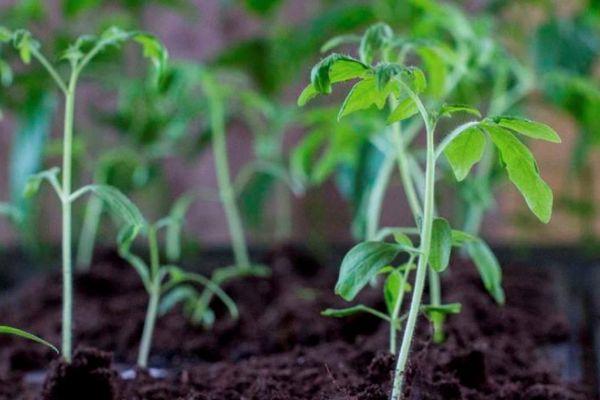
Watering of plants is carried out with warm water in the evening. During the growth and fruiting period, it is recommended to apply complex fertilizers according to the manufacturer’s recommendations.
To ensure even moisture distribution and prevent the topsoil from drying out, mulch with non-woven fiber. Using organic materials (straw, grass, leaves) as mulch provides an additional source of nutrition for the crop.
Opinions and recommendations from gardeners
Feedback from vegetable growers indicates the crop's resistance to black bacterial spot and tobacco mosaic virus.
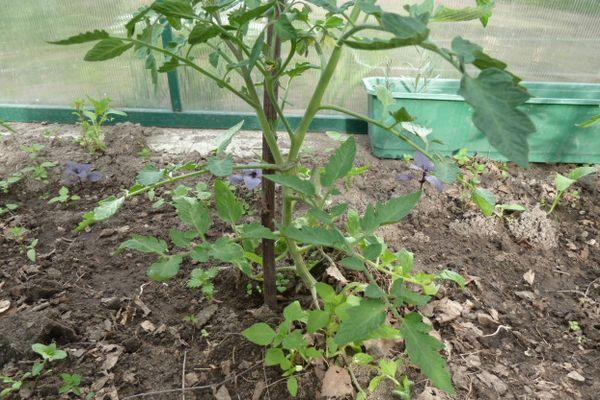
Those who have planted the Aurora hybrid note the plant's ability to form fresh shoots after harvesting and produce fruit in a second wave.
Evgenia Petrova, 61 years old, Barnaul.
Our whole family has been growing the Aurora hybrid for two seasons. We love watching the plant grow from the moment we prepare the seeds for seedlings to the harvest. The variety ripens almost simultaneously, making it ideal for canning. The hybrid is easy to care for and disease-resistant. The bushes produce numerous inflorescences, with 4-5 fruits ripening almost simultaneously in the clusters. This tomato truly turned out to be super-early, which lives up to its description.
Every vegetable grower carefully selects seeds for planting, guided by personal selection criteria. The Aurora hybrid combines the best characteristics, making this tomato a favorite.
Related posts:
 Description and characteristics of the Aurora potato variety, planting and care instructions
 Description and characteristics of the best tomato varieties for outdoor cultivation in the Urals
 Description of the best tomato varieties for pickling and canning
 Description of blight-resistant tomato varieties for open ground and greenhouses
 Description of the best potato varieties of domestic and foreign selection
 The best grape varieties for growing in the Urals, planting and care rules in summer
 Description and characteristics of the best indeterminate tomato varieties for greenhouses
 The best varieties of low-growing tomatoes for a polycarbonate greenhouse
