
Among the wide variety of nightshade varieties, the Grotto tomato stands out. It has excellent flavor and is easy to care for. The plant is compact, reaching less than 40 cm in height, making it a popular choice for balconies and loggias.
This variety was developed by Russian breeders. It is suitable for growing in greenhouses, hotbeds, and open ground. Its excellent characteristics make it suitable for cultivation in northern regions.
Features of the variety
The plant is a determinate variety. Its low bushes have fairly sturdy stems and branches. Although it only reaches 35–40 cm in height, it still needs to be staked. This will prevent the fruit from coming into contact with damp soil and keep the branches suspended.
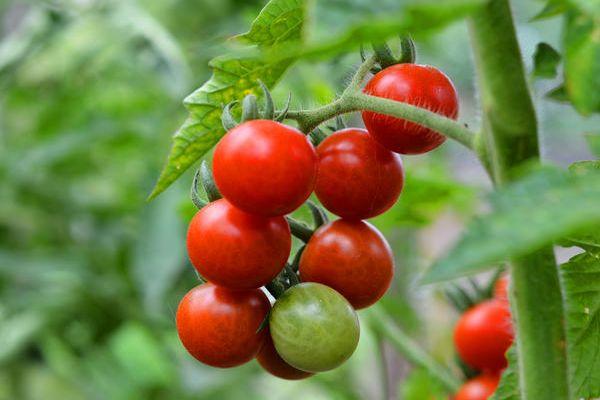
The variety is mid-season, full ripening occurs 109-118 days after the first shoots appear.
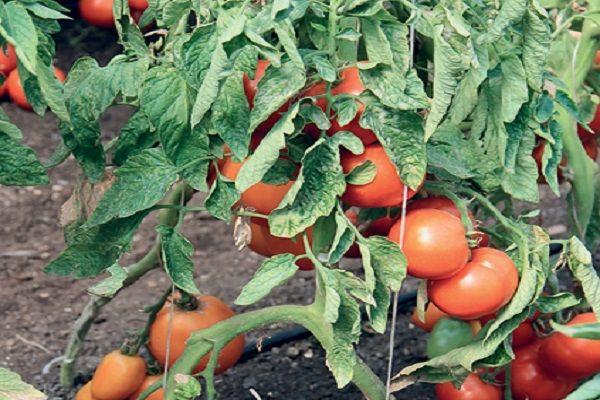
The plant's foliage is regular, large, and dark green, sparsely filling the bush. The inflorescence is simple, initially forming after the sixth or seventh leaf. Subsequently, it develops every two leaflets.
The description of the Grot variety indicates that the plant limits its own growth. As soon as the first tomatoes appear on the bush, it slows down, directing all nutrients to the fruit. The plant requires pinching. Non-fruiting branches should be removed from the bush, as they drain the plant's energy.
Characteristics of tomatoes:
- The fruits of the Grot variety are round or slightly oval in shape.
- Ripe tomatoes are bright red in color, with no spots around the stem.
- The tomato skin is smooth and shiny, which protects the fruit well from cracking.
- The average weight of one fruit reaches 50 g; larger tomatoes can be obtained in greenhouse conditions.
- The tomatoes have a rich, moderately sour, spicy taste, and the flesh is juicy and aromatic.

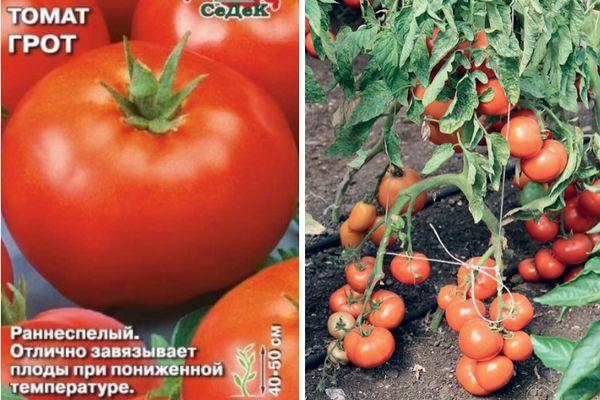
This tomato is best suited for canning. Small fruits can be canned whole. They make excellent ketchup or paste. Grot tomatoes are also used for fresh salads and juices.
Every housewife who has planted these tomatoes in her garden will highly appreciate their agricultural characteristics and taste.
This nightshade variety is highly productive. On average, up to 5-6 kg of tomatoes can be harvested per square meter per season. The fruits have a long shelf life and are suitable for transportation. They should be stored in a cool, dry place. The fruits ripen well after being picked from the bush.
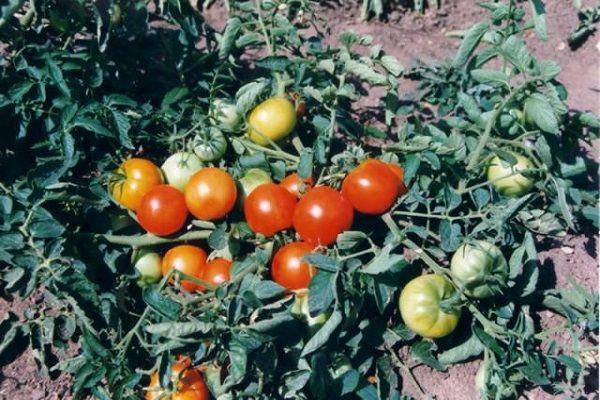
The plant is undemanding of soil and is tolerant of minor drought and temperature fluctuations. However, it requires additional protection from fungal diseases and pests. When caring for this crop, it is necessary to periodically spray it prophylactically, but this can be done before the first fruit appears on the branches.
Growing the Grot tomato variety is only possible using seedlings. To ensure strong and healthy seedlings, it's important to check the manufacturer's recommendations for this process in advance.
Growing seedlings
Sowing takes place in early spring. The second ten days of March are ideal. Seeds are planted in special containers filled with nutritious soil. You can prepare your own soil mixture by mixing peat, coarse sand, and soil.
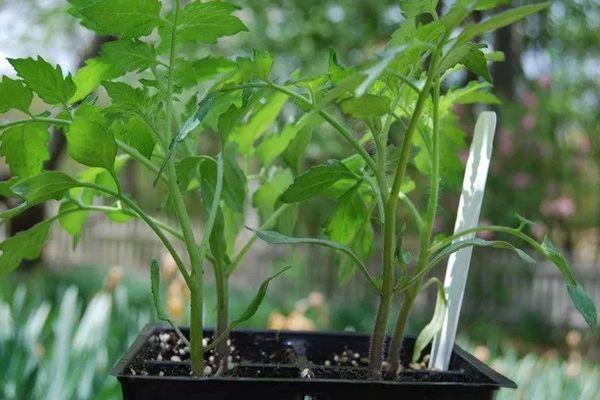
Each seed is planted 1.5–2 cm deep in the soil, then watered with settled water. Many gardeners recommend slightly warming the water for the first watering. Cover the container with plastic wrap and leave it in a warm place until the first sprouts emerge. Then, place the container in a well-lit area, and remove the plastic wrap.
When one or two true leaves appear on the shoots, transplant the seedlings into individual cups or peat pots. Those who planted the seedlings directly into spacious containers and spaced them far apart can leave the plants alone and avoid transplanting.
They are planted in open ground when the soil has warmed up well and there are no night frosts. Some gardeners still cover the young plants with plastic at night at first.

 The planting scheme for the Grot variety suggests a distance of 50 cm between plants and 40 cm between rows. Three to four bushes are planted per square meter.
After planting, water the plants and mulch the holes. Straw or wood shavings are best. Periodically, hill the bushes and loosen the soil. Further care will consist of regular watering, occasional fertilizing with mineral fertilizers, and preventative irrigation to combat fungi and pests.
Gardeners, both professional and amateur, have only positive reviews regarding the Grotto variety.
Related posts:
 The best grape varieties for growing in the Urals, planting and care rules in summer
 80 Best Eggplant Varieties for Different Regions with Descriptions and Characteristics
 Descriptions of the 20 best cherry varieties for the Moscow region, their planting and care
 What varieties of tomatoes are best to plant in a polycarbonate greenhouse?
 Description of blight-resistant tomato varieties for open ground and greenhouses
 Descriptions and names of varieties and the best types of radish, planting and care
 Description and cultivation of the 15 best cherry plum varieties for the Moscow region, planting and care rules
 Description and characteristics of the 27 best plum varieties for the Urals, planting and care