
The "Minister" tomato, the characteristics and description of which will be discussed below, is grown in greenhouses and open ground. This variety is included in the State Register of Vegetable Crops of Russia due to its high yield. This tomato is used fresh, in sauces and pastes, and canned for winter storage.
Some information about the plant and its fruits
The characteristics and description of the variety are as follows:
- According to farmers' reviews, when planted in open ground, the plant bears fruit 115 days after transplanting the seedlings into the garden. If grown in greenhouses, the harvest ripens 5-7 days earlier.
- The Minister tomato bush reaches 0.6 m in height. The leaves on the stems are colored in dark shades of green.
- The first ovary appears around the 7th or 8th leaf, and all similar subsequent formations develop every 2 leaves.
- The Minister variety has some unique characteristics, such as the plant producing relatively few side shoots, but it's recommended to regularly remove them. The flavor of harvested tomatoes can be significantly improved by storing them in small boxes for 7-10 days, then cutting off their air supply. The room temperature should be maintained at room temperature.
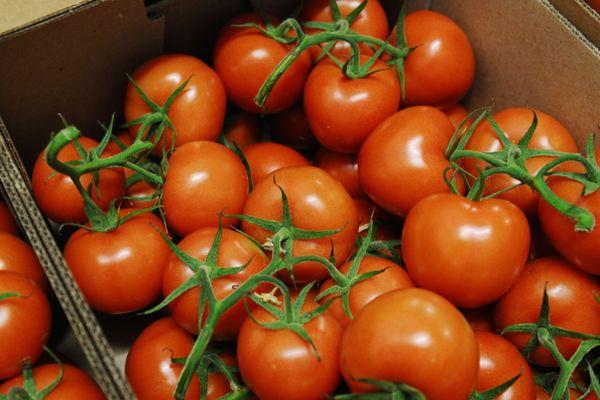
- Each cluster produces 5 to 6 tomatoes. The average fruit weight ranges from 0.15 to 0.2 kg. The berries ripen 60 to 65 days after transplanting the seedlings to permanent beds.

Reviews from farmers growing the Minister variety indicate that the plant yields up to 8-9 kg of fruit per square meter of garden bed. Gardeners note the tomato's low maintenance and resistance to most diseases affecting nightshade crops.
The highest yields are achieved when planting tomatoes in open fields in the southern regions of Russia. In Siberia, the Far North, and the central regions of the country, breeders recommend that farmers refrain from attempting to grow the Minister variety in open fields, as the plant is not cold-tolerant. In these areas, tomatoes can only be grown in heated greenhouses or hotbeds.

How to grow tomatoes?
Seedlings are obtained from seeds pre-disinfected with hydrogen peroxide or aloe vera juice. Light soil is used for planting seeds. If this is not available, heavy soil can be amended with humus, river sand, and wood ash. Commercial tomato soil can be used to grow seedlings.
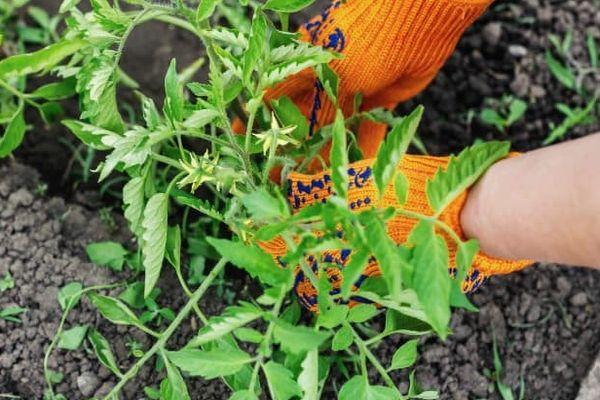
When the first sprouts appear, they are moved to a bright spot or placed under electric lamps for 10-12 hours a day. When the seedlings have 7-8 leaves and are 45-55 days old, they can be transferred to permanent soil.
First, the soil in the beds is fertilized with organic mixtures, such as manure, peat, or chicken manure. Plants are planted in a 0.5 x 0.5 m pattern. To increase yield, it is recommended to train the bushes with 1-2 stems.
Caring for bushes before fruiting
To prevent fungal and bacterial infections, mulch the soil around each tomato plant. This will not only reduce the risk of disease but also ensure adequate ventilation for the tomato's root system. To combat plant diseases, spray them with various medicinal products. Disease prevention can also be achieved using folk remedies, such as treating the bushes with copper sulfate, soap solution, or wood ash.
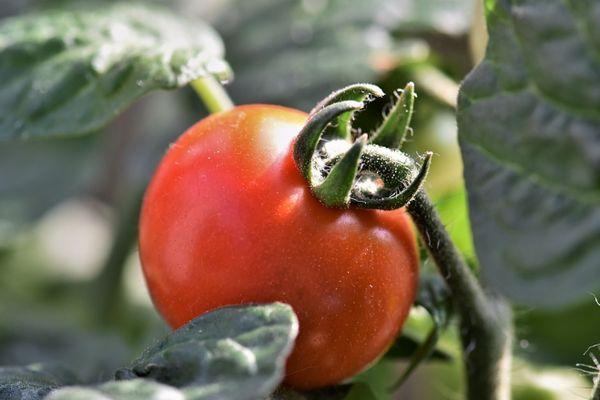
When growing Minister in a greenhouse, proper ventilation is recommended to prevent late blight. Plants in the beds should be spaced apart so they don't block sunlight from neighboring plants. The plants should be easily accessible. If the disease does appear, treat the tomato leaves with special preparations, and destroy the affected plants.
Tomatoes are fertilized with organic and nitrogen fertilizers 10 days after the seedlings are transferred to the beds.
The second time, tomatoes are fed with a mixture of potassium and nitrogen fertilizers after flowering begins. The third time, they are fed with complex mineral mixtures containing nitrogen, phosphorus, and potassium.

Loosen the soil under the tomato plants after watering, when the top layer of soil has dried out. This will help oxygen reach the tomato roots. Aeration accelerates the growth of bushes and helps destroy some parasites that settle on the root system of cultivated vegetables.
Water the tomato plants at the roots once a week, using warm, sun-settled water. If the weather is hot or drought is expected, it's recommended to increase the frequency of watering. Avoid allowing water to accumulate under the plants or on their leaves. To control garden pests, use chemicals.
Related posts:
 The best grape varieties for growing in the Urals, planting and care rules in summer
 When and how to properly transplant tomato seedlings, the best days in 2025
 How to propagate and grow peas, cultivation technology, and care in open ground
 Description of varieties of sowing peas and cultivation, to which family they belong
 Methods for planting and propagating cherries at home
 How to properly plant peas in a greenhouse and open ground
 Carrot care guidelines for outdoor cultivation to ensure a good harvest
 Description of the 40 best varieties and types of parsley, what the plant looks like