The Rim tomato is an indeterminate variety, with bushes reaching 1.6–1.8 m in height. When grown in greenhouses, plants can reach 2 m. Other distinctive features of the variety include its robust size and mid-late or late ripening of the fruit, depending on the growing region, weather, and climate conditions.
What is the Rome tomato?
The growing season for tomatoes lasts approximately 75 days or more. In cold conditions, ripening begins only 90 days after sowing.
Description of the variety:
- The average size of each fruit is 600 g. If you care for tomatoes properly, you can get tomatoes weighing 1.5 kg.
- The shape of the fruit is round, slightly flattened.
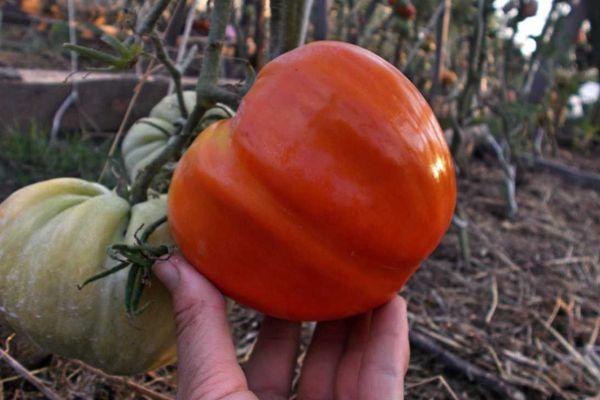
- The fruits grow large, with pronounced ribbing in the area of the stalk.
- When the tomatoes reach maturity, they turn bright red. This rich color distinguishes this variety from other mid-season tomato varieties.
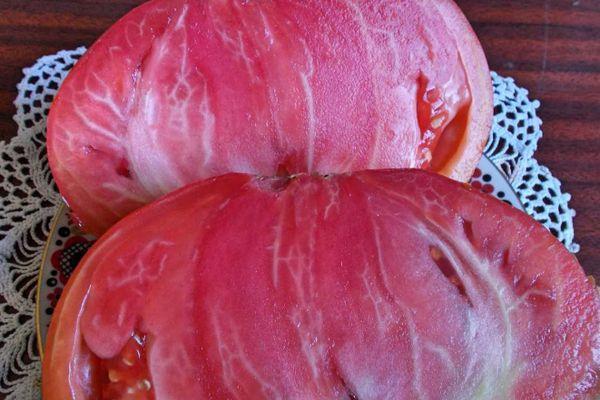
- The fruit has a fleshy structure and a sweet taste.
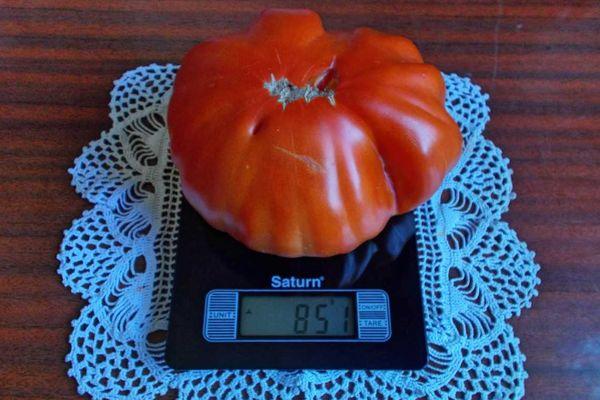
The yield per square meter is high due to the weight of each fruit. Tomatoes are used in salads, fresh and canned, and for making tomato juice.
How are tomatoes grown?
Let's look at how to properly grow seedlings. Reviews from gardeners indicate that Rim is grown only from seedlings.
To obtain a high yield, it is necessary to strictly adhere to the following rules:
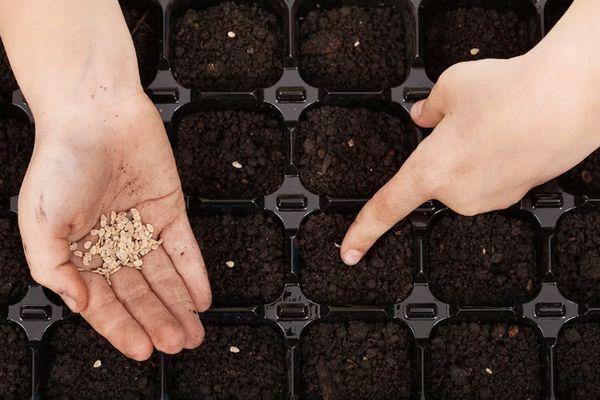
- Seeds should be planted in pots no later than late February or early March. Only after two months can the seedlings be transplanted into a greenhouse or open ground.
- The seeds should be planted in special peat pots or seedling containers with a nutrient mixture for tomatoes.
- Before planting, seeds should be treated with a weak solution of potassium permanganate.
- Sow so that there are no more than 2-3 seeds per square centimeter, planting them 1 cm deep. Once the seeds are planted, cover the pots with plastic film to create a greenhouse effect. Remove the film as soon as the seeds germinate.
- When two well-formed adult leaves appear, the plant needs to be pricked out.
- Fertilizing is carried out 5-10 days after picking, when the seedlings are planned to be transplanted into the beds; 7-10 days before this, the tomatoes are treated with fertilizer again.

Tomatoes are planted in open ground only after the last frost, which usually occurs in the second half of May.
Seedlings can be planted in greenhouses earlier—in mid- or late April—but only if the room is well-heated and warm. Planting requires preliminary preparation of the beds.
The holes should be made according to a 50x60 cm pattern, which will allow for no more than 3 bushes per 1 m².
After planting, you need to carefully care for the plants, adhering to the following recommendations from gardeners:
- It is imperative to carry out side-sonning, which will allow the bush to form 2-3 stems.
- Given that the bushes grow tall, they need to be tied up. This should be done as the plants grow, securing both the main stem and the fruit clusters.
- Water regularly and abundantly, using warm, settled water.
- Remove weeds and loosen the soil in a timely manner to prevent tomato bushes from getting sick.
- Apply organic fertilizers regularly. The first application of minerals should be 1-2 weeks after the seedlings are planted in the soil, and again when the ovaries have set and the fruits have begun to form.
Plant the bushes in sunny areas. If they are kept in the shade, they will produce a late harvest.
Related posts:
 Is it possible to soak treated cucumber seeds before planting and how to do it correctly?
 Carrot care guidelines for outdoor cultivation to ensure a good harvest
 How to prepare tomato seeds for planting seedlings
 Rules for growing tomatoes in open ground, choosing a variety, planting and care
 Description and characteristics of the best seeds of pea varieties and types
 Planting and caring for arugula in open ground, description of the best varieties and their cultivation
 How to quickly germinate cucumber seeds before planting at home
 How to properly plant cucumber seedlings at home and what to feed them with
Take a look Also