
Let's look at how to grow the Semeyny tomato, its characteristics, and a description of the variety. The Semeyny F1 tomato is a hybrid variety. When developing these varieties, breeders aim to increase yields and reduce susceptibility to infections. There are some specific care considerations for this tomato variety that affect the growth and flavor of the fruit.
Characteristics and description of the variety
Family tomatoes are best grown in a greenhouse. When planting outdoors, prepare the seedlings for optimal adaptation and monitor them for disease.
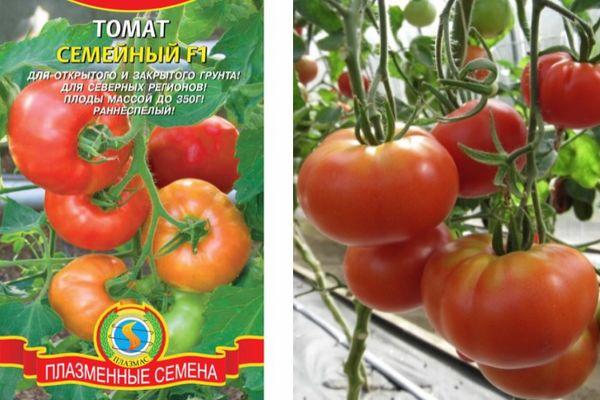
It is important to observe the following conditions:
- plant seeds for seedlings in a timely manner;
- choose the right place for planting;
- Before planting in a permanent location, monitor the weather conditions;
- fertilize the plant on time throughout the growing season;
- choose fertilizer wisely.
Reading forum reviews from gardeners and vegetable growers who have been growing hybrid varieties for years can provide a wealth of useful information.
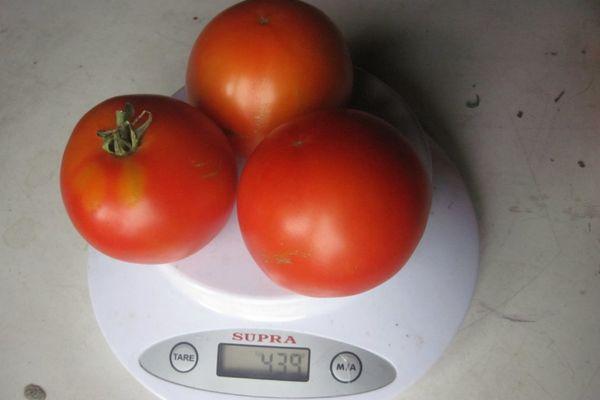
How are tomatoes grown?
To increase yield and protect tomatoes from disease, treat the seeds. Before planting, soak them in a clear solution of potassium permanganate. After 30 minutes, rinse them under clean running water and soak them in a boric acid solution (0.5 g per 1 liter of water) for 24 hours. While the seeds are soaking, prepare an ash solution.
To prepare it, you'll need 1 tablespoon of ash and 1 liter of water. Stir the mixture periodically for one day, then let it sit. Soak the seeds in this mixture for 4-6 hours.
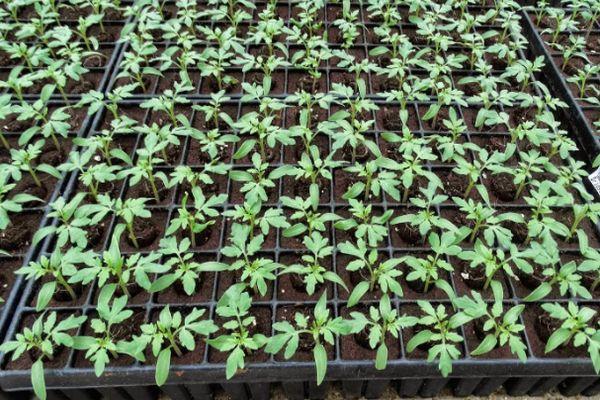
In all solutions, seeds are placed in gauze or cloth bags.
Wrap the seeds in cloth, place them in a glass jar, and refrigerate for 19 hours. Then, keep them near a heating element at 25°C for another 5 hours. It's important to keep the cloth the seeds are wrapped in moist. This hardens the seeds. Some may even germinate during this period.

The soil should be prepared two weeks before sowing. In addition to soil, the mixture should contain the following components:
- river sand;
- peat;
- humus;
- rotted sawdust;
- ash;
- fertilizers.
Mix all the listed ingredients, preferably water thoroughly with a light solution of potassium permanganate, and by the time of planting the soil will be completely prepared for sowing.
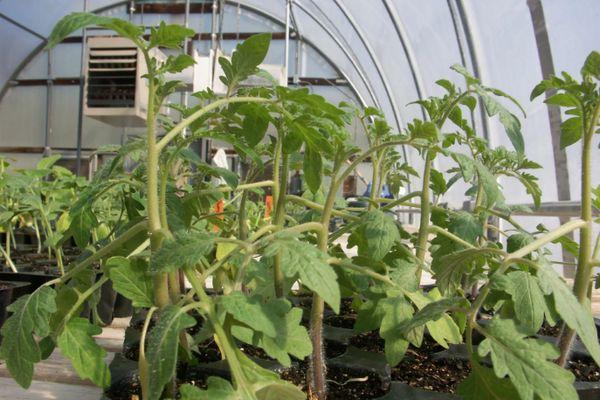
Sow seeds 3-4 cm apart, planting at a depth of 2 cm. Place the container in a bright, warm location until the first sprouts appear. For convenience, use plastic cups.
Three days before transplanting, water the seedlings with potassium nitrate and sodium humate. By the time of transplanting, the plant will reach a height of 25 cm and have 5 leaves. Within two months, the seedlings will form, strengthen, and be ready for planting in their permanent location.
The optimal time for planting seedlings in the ground is the second half of April or early May. When transplanting outdoors, it's important to wait until any night frosts have passed, as these are detrimental to young plants. Tomatoes planted in the garden should be covered with plastic wrap for the first week while they adapt to the new conditions. Before planting, it's best to water the soil with warm water to ensure the roots are comfortable in their new location.
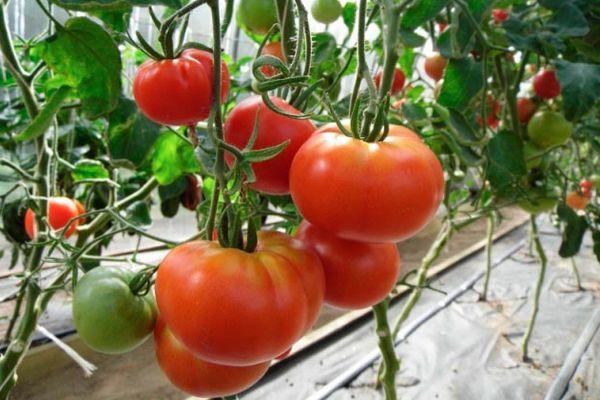
When caring for tomatoes, it's important to monitor the growth of the plant. As the plant grows, leaves and shoots continually emerge. After fruit sets, the lower part of the stem is cleared of leaves and the emergence of side shoots (side shoots) is closely monitored. Do not allow these to sprout, as this affects the yield.
Water tomatoes with room-temperature water. This can be rainwater or settled water. Only the root system requires watering. It's important to maintain soil moisture, but not overwatering. It's best to water once every 7-10 days.
If tomatoes are planted in a greenhouse, the room must be frequently ventilated, as humid air can promote fungal infections. Fertilization is carried out 4 times during the entire growing season.

Gardeners' reviews of the harvest are positive. Everyone notes the high yield: you can harvest 2-2.5 kg of juicy fruits from a bush, even in a cold summer. Homegrown tomatoes are much tastier than store-bought ones.
Related posts:
 Is it possible to soak treated cucumber seeds before planting and how to do it correctly?
 Carrot care guidelines for outdoor cultivation to ensure a good harvest
 The best eggplant varieties for growing in a polycarbonate greenhouse: planting and care
 Why didn't the carrots sprout and what should I do? How to plant them so they sprout quickly?
 Is it possible to grow an apricot tree from a seed in your garden? How to plant and care for it?
 Methods for planting and propagating cherries at home
 How to properly plant peas in a greenhouse and open ground
 Is it possible to plant carrots in July or at the end of June? What are the best days and care instructions?