
Japanese breeders have created the high-quality Tyler F1 tomato. This hybrid variety boasts good resistance to various fungi, weather tolerance, and consistently high yields.
This variety of tomato is grown with great success in various regions of the country. In the northern regions, this crop thrives in greenhouses and hotbeds.
Experienced vegetable growers leave positive reviews of the Tyler variety, citing its hardiness and high yield. The tomato's exceptional flavor also receives praise.
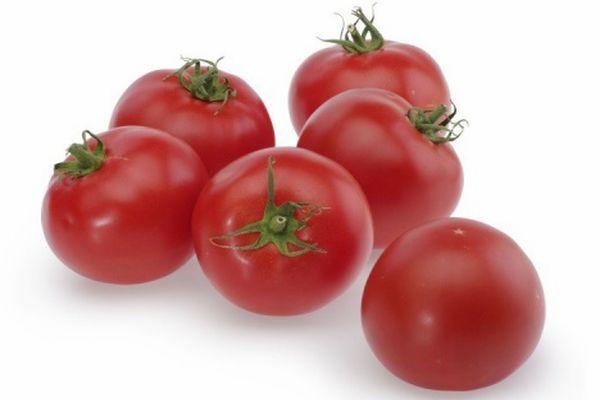
The Tyler variety is grown using seedlings. Therefore, before beginning the process, it's worth familiarizing yourself with the tomato's characteristics and cultivation techniques.
Description of the variety
The tall, bushy plants are indeterminate, reaching a height of 1.7-2 meters. They have a well-developed root system and a strong stem. The foliage is large, regular, and dark green. The bush is densely filled with foliage.
The first clusters form after the sixth or seventh leaf, and they have a complex shape. The double clusters produce numerous fruits—10 to 15 each. The Tyler variety requires additional support, staking, and pinching. Experienced gardeners train the bush into two stems. This improves the quality and yield of the harvest.
It is noted that tomatoes have strong immunity to viral tomato mosaic, fusarium and verticillium wilt.
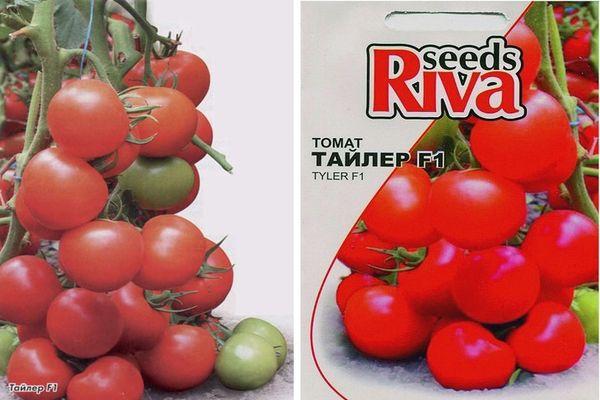
The fruits of the Teiler variety have the following characteristics:
- The tomatoes are quite large. Each fruit weighs 170-190 g.
- The color is bright red, without inclusions or yellow spots around the stalk.
- The skin is dense and smooth, firmly protecting the flesh from sunburn and cracking.
- Tomatoes ripen almost simultaneously. It's recommended to pick the fruits immediately, right from the brush.
- Tomatoes have exceptional flavor. They are sweet when cut. The flesh is firm and aromatic, and the tomatoes are juicy with a delicate, spicy flavor. These tomatoes are versatile. They make an ideal addition to fresh vegetable salads. They also garnish dishes. They are also used to make preserves such as pastes, juices, or ketchups.
- Tyler tomatoes contain a large amount of sugar and natural antioxidants, making them beneficial for the human body.
- Tomatoes are suitable for long-distance transportation while fully preserving their marketable appearance.
Take a look Also

The Taylor tomato variety is highly productive, with a single plant yielding 6-7 kg of fruit per season. It produces fruit densely and continuously. Store in a dry place at a temperature no higher than 18°C.
Rules for growing seedlings
A full description of the Tyler tomato is provided on the seed packaging. The manufacturer also provides clear recommendations regarding the timing of sowing the seeds for seedlings, transplanting, and planting them outdoors or in a greenhouse.
According to this information, sowing should be done 60 days before transplanting to a permanent location. The seeds are planted in a special universal soil suitable for growing almost all types of seedlings. It consists of peat, soil, and coarse sand.
The seeding holes should be no more than 2 cm deep. After planting, cover the container with thick plastic wrap and store in a warm place. Remove the plastic wrap as soon as the first sprouts appear.
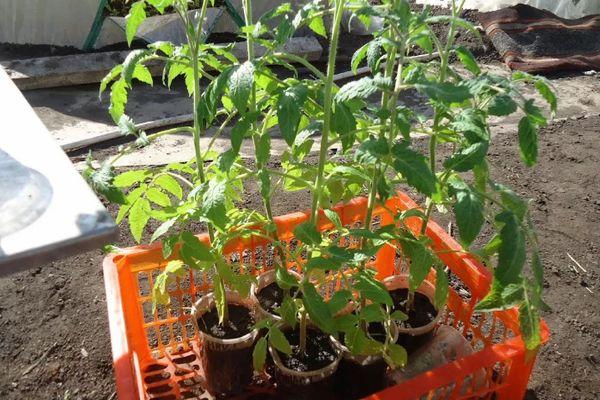
Young plants require plenty of light, so the seedling container is moved to a well-lit location, most often a windowsill or a glazed, heated balcony. The room temperature is maintained between 17 and 18°C for the first week, then increased to 23-25°C.
Water the seedlings with a spray bottle or a sieve. The water should be settled and at room temperature. When two strong true leaves appear, transplant the plants. Peat pots are best for this purpose; they can be dug into the garden beds along with the seedlings without damaging the young roots.
Plants are planted in the first half of June. The beds should be prepared and fertilized by this time. The soil's nutritional value can be increased with nitrogen, potassium, and superphosphates. Composted manure can also be used for Tyler tomatoes.
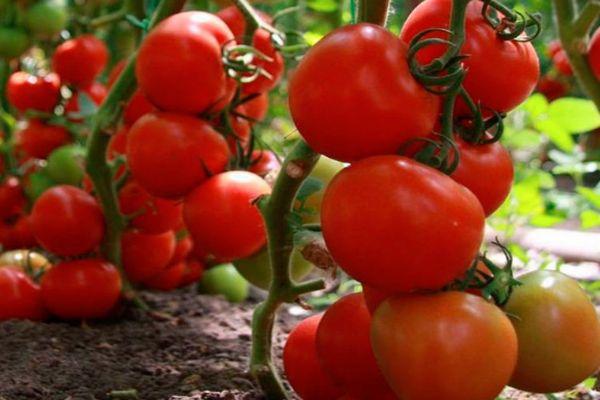
The holes are spaced 50 cm apart from each other, as the bushes will grow quite large. Leave 60 cm between rows. No more than 3-4 plants can be planted per square meter.
Immediately after planting, the beds should be watered and the holes mulched. Most gardeners prefer wood shavings, considering this material the safest and most suitable for nightshade crops. After 1 week, the Tyler tomato seedlings need to be fed with complex mineral fertilizers. Further care of the beds is carried out in the usual manner: the plants are watered, the soil underneath them is loosened and fertilized.
Related posts:
 The best grape varieties for growing in the Urals, planting and care rules in summer
 80 Best Eggplant Varieties for Different Regions with Descriptions and Characteristics
 Descriptions of the 20 best cherry varieties for the Moscow region, their planting and care
 Description and characteristics of the best seeds of pea varieties and types
 Description of the best potato varieties of domestic and foreign selection
 How to propagate and grow peas, cultivation technology, and care in open ground
 Descriptions and names of varieties and the best types of radish, planting and care
 Description of the Velika grape variety, cultivation and care tips