
The Tiger tomato, or Tigrenyok, is a striking representative of a group of varieties known as bicolor. These tomatoes have variegated, striped, or spotted fruits.
General characteristics of the Tiger variety
The bushes are vigorous, reaching 100-150 cm in a greenhouse and 80-90 cm in the open field. The plant is indeterminate and continues to grow and set fruit until frost. When grown outdoors, it is recommended to artificially stunt the stems to allow the tomatoes, which form in late summer, time to mature and ripen.
The bush is trained into 2-3 trunks. The plants require pinching. To ensure uniform ripening and reduced susceptibility to fungal diseases, tomatoes are tied to a support and the leaves are removed up to 2/3 of the bush's height, starting from the bottom. Only those leaves growing below the developing flower cluster should be removed.
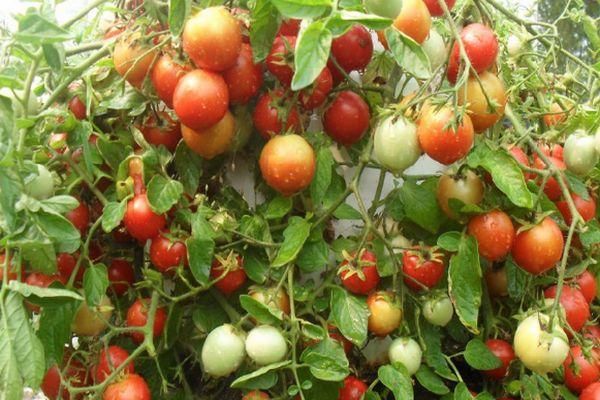
A single bush can yield 3-5 kg of marketable produce. The fruits are small (60-80 g per tomato), gathered in attractive clusters of 7-12 roughly equal ovaries. Fruit yield depends on growing conditions: the variety produces well in light, loose, fertile soils with low acidity.
In the Moscow region and regions with heavy and excessively moist soils, yields may decrease or be susceptible to late blight, alternaria, and other fungal infections.
Advantages of striped fruits
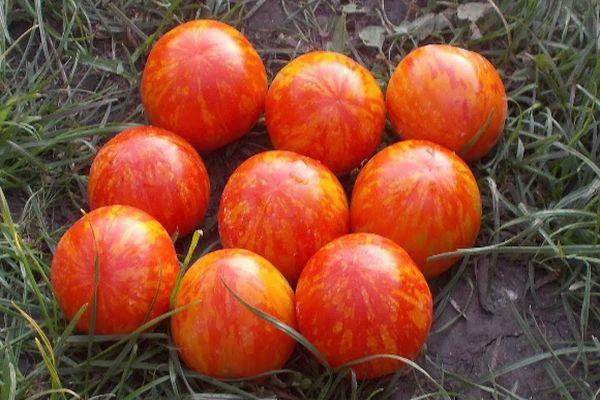
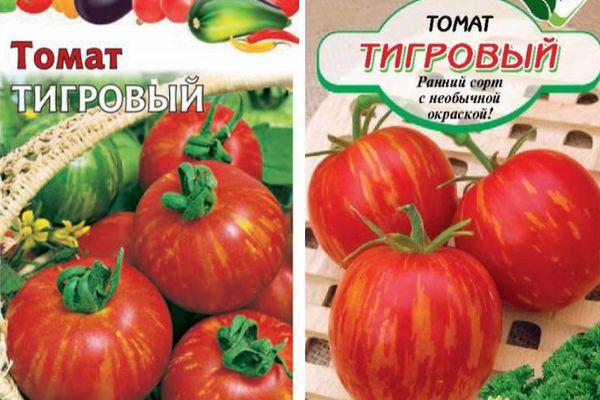
The main advantage of the Tiger tomato variety is its high decorative value. At biological maturity, tomatoes are orange-yellow with blurred red stripes, reminiscent of a tiger's skin. When unripe, they are yellowish-green with dark green stripes.
The fruit is perfectly spherical in shape, with a smooth, shiny surface. Planting these tomatoes looks very decorative throughout the season.

The characteristics and descriptions of the variety in seed catalogs classify the plant as a mid-season tomato. The first fruits can be harvested approximately 110 days after sowing. In central Russia, the Urals, and Siberia, this early fruiting period prompts gardeners to prefer growing tomatoes in greenhouses. However, a good harvest can also be obtained in open ground, harvesting some of the fruits at the blanched and milky stages of ripeness. Tomatoes store well and ripen well indoors.

The skin of striped tomatoes is quite strong. They are not prone to cracking during ripening. Thanks to this quality, Tiger tomatoes can remain on the vine for a long time, even in difficult weather conditions.
The flesh of striped tomatoes is pink, firm, and grainy when cut. Sugar content reaches 5%, and gardeners describe the taste as sweet with a slight tartness. The seed chambers are well developed, and the fruit is juicy and aromatic.
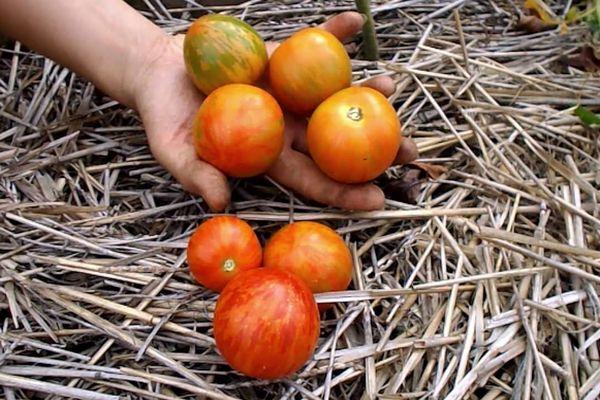
Tiger tomatoes are considered versatile. They look great sliced or in salads, and can be used to decorate vegetable appetizers and sandwiches. The small, firm, and neat fruits are ideal for whole-fruit canning. The tomatoes' highly decorative coloring makes these preserves attractive, and their firm skins preserve them even during cooking.
Processing beautiful tomatoes into juice or sauce isn't practical. The dull color of the flesh prevents these varieties from producing a pleasing color in homemade preserves. However, for a better flavor in lecho or ketchup, tomatoes can be mixed with red varieties. Sweet and fragrant striped tomatoes are ideal for sun-drying.
Features of agricultural technology
Like other sweet tomatoes, Tiger tomatoes thrive in a sunny spot with light, well-drained soil. They tolerate heat and slight dryness well. Under these conditions, their flavor becomes more pronounced. Overwatered soils can cause the tomatoes to develop a sour taste.
To protect tomatoes from fungal diseases, it's recommended to create raised beds in heavy soils with an artificial mixture of sand, garden soil, and well-rotted organic matter, mixed in equal parts. In overly acidic soils, add chalk, slaked clay, or shell rock.
The consumption rate is approximately 1 kg of lime per 1 m². Lime the soil during spring tillage.
Growing seedlings is carried out according to the rules common to all tomatoes:
- sow seeds 60-65 days before planting in the ground;
- when 1-2 leaves form, pick at a distance of 7-10 cm;
- water with warm water, possibly with the addition of potassium permanganate (light pink solution).
Take a look Also

Planting in the ground is carried out after the end of frosts, in the first ten days of June. You can plant it in a greenhouse around mid-May.
Related posts:
 Description of the best varieties of black tomatoes for open ground and greenhouses
 What is the best way to feed tomato seedlings to make them plump?
 What varieties of tomatoes are best to plant in a polycarbonate greenhouse?
 What fertilizers and when to use for feeding tomatoes in a greenhouse
 Growing and caring for tomatoes in a greenhouse from planting to harvest
 Description of the best tomato varieties for open ground in the central zone
 Description of the best tomato varieties for open ground and greenhouses in the Krasnodar region
 Description and characteristics of the best indeterminate tomato varieties for greenhouses