
Breeders have created another original and high-quality nightshade variety—the Gigalo tomato. With its distinctive oblong shape and unusual flavor, these tomatoes are perfect for making vitamin-rich fresh salads and various tomato products.
The Gigolo variety is characterized by high yields and weather resistance. If seedlings are planted in May, ripe fruits can be harvested by late summer. This tomato is not a hybrid, so you can harvest the seeds yourself.
Before you begin growing these tomatoes, you need to familiarize yourself with their cultivation techniques. The seed producer usually provides all the necessary information on the seed packaging. The packages contain a full description and characteristics of the variety.
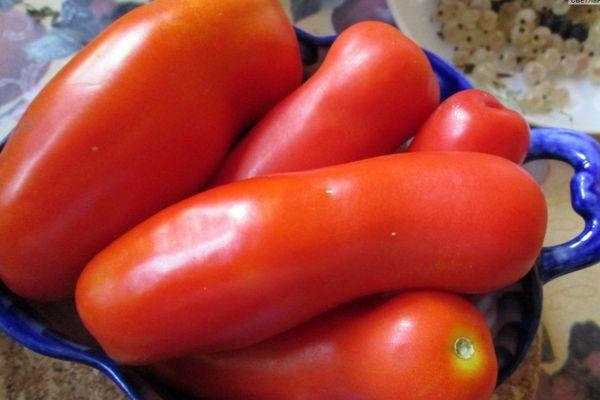
Characteristics of the variety
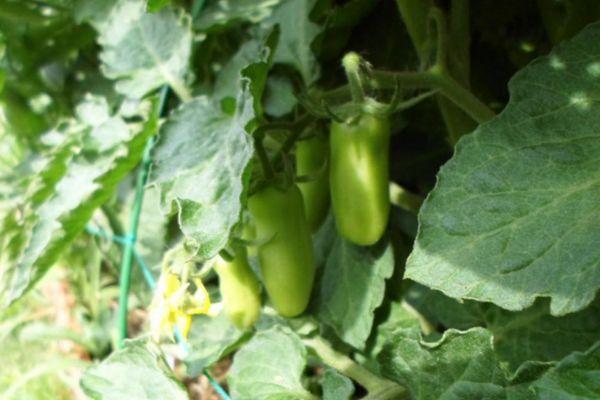
The Gigalo tomato is a standard plant, reaching a height of no more than 50 cm. Thanks to its short stature and sturdy stem, the bush requires no staking or side shoots. The foliage is medium in size and shape, light green in color. The bushes are sparsely filled with foliage. These small, neat plants will be a true highlight in the garden.
This variety is resistant to various fungi and pests, but preventative spraying is required at least twice per season. Seed treatment is also recommended before planting. This tomato variety is suitable for growing both in open beds and under plastic. It is a mid-season variety with a growing season of 98-100 days.
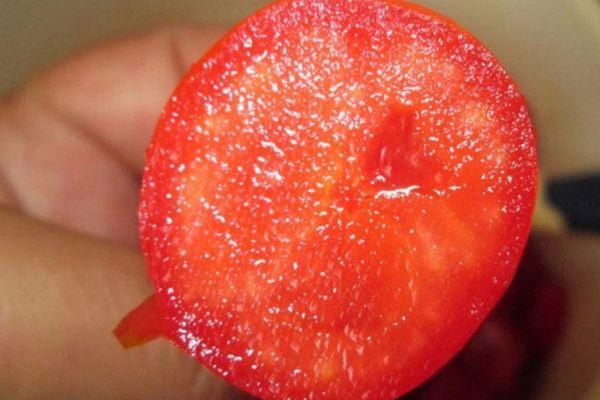
Gigalo tomatoes have the following description:
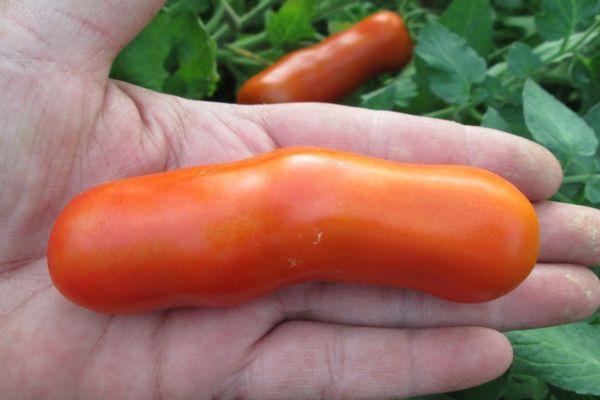
- The elongated shape of the fruit resembles a pepper.
- The tomato is red in color with a greenish border around the stem.
- The average weight of one fruit is from 100 to 120 g.
- The bush has a simple inflorescence. Up to 7-10 tomatoes form on a single cluster. The clusters of this plant resemble bunches of grapes when the fruits ripen.
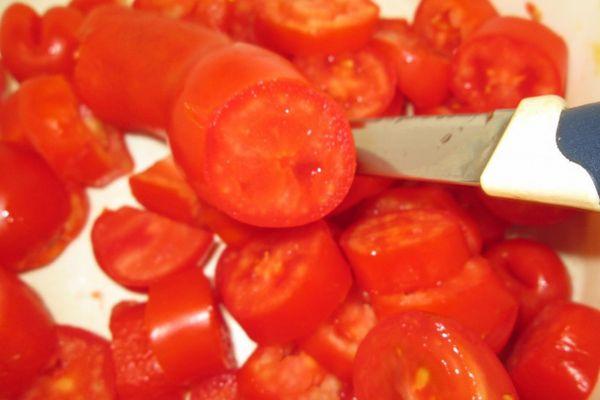
- The Zhigalo variety boasts excellent flavor. The fruits are fleshy yet juicy, with a sweet and tart flavor. They contain a high amount of dry matter, making them more beneficial for the human body. These tomatoes are versatile, used in salads, pastas, lecho, juices, and even stuffed.
- The Zhigalo variety has a high yield. When grown properly, a single bush can yield up to 5 kg of fruit.
- Thanks to their thick skin, tomatoes can be stored for a long time. They retain their marketable appearance during long-distance transportation.

To reap a bountiful harvest, it's essential to plant the plants correctly. Almost all standard bushes have poorly developed root systems, so gardeners recommend planting them more closely in the beds.
Rules for growing tomatoes
Seedlings are harvested in late February or throughout March. The seeds of this nightshade species should be treated in advance with a weak solution of potassium permanganate or a special disinfectant, which is available in stores. Many vegetable growers also use a growth stimulant to activate the planting material. Soak the seeds in it for no more than 30 minutes. Then allow them to dry thoroughly.
Seedlings are grown in shallow boxes or special containers. You can buy ready-made soil or create your own. To do this, mix equal parts coarse sand, peat moss, and turf.
Before planting, moisten the soil and make 2-cm-deep holes in it. Place the seeds in these holes and cover with clean peat moss or soil. Immediately after planting, water them with settled, warm water. Water using a sieve or spray bottle to avoid washing the seeds out of the soil.
The seedling box should be immediately covered with plastic wrap and placed in a warm place until the first buds appear. Afterward, the seedlings are moved to a brighter spot where the temperature remains between 22 and 25°C. When growing seedlings, it's important to monitor the soil to prevent stagnant moisture and mold.
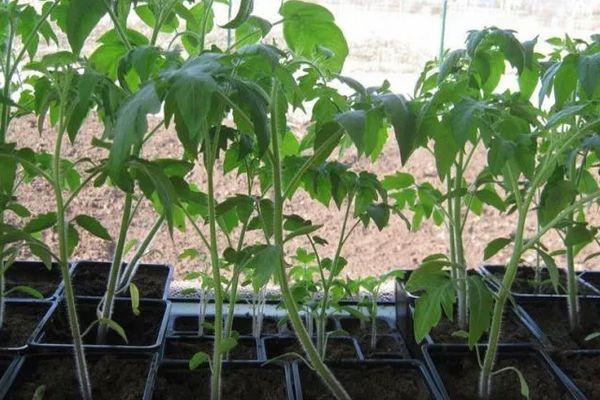
The seedlings are pricked out when they develop two leaves. Many gardeners recommend hardening off the seedlings, which can be done by lowering the room temperature to 7–10°C or by taking them outside for 1–2 hours.
Plant the seedlings in well-dug and fertilized beds. You can use humus or complex mineral fertilizers for this. The holes are placed at a distance of 30-35 cm from each other, and 45-50 cm are left between rows.

After planting, the seedlings are immediately watered and the holes mulched with sawdust. Hay or freshly cut grass can be used for mulch. After 10 days, the beds should be fertilized with minerals such as iron, boron, nitrogen, and potassium.
Caring for the plants is not difficult. The main thing is to water them regularly and prevent cracks in the soil. Weeding and loosening the beds periodically is essential. Before the first fruit sets, it's important to spray the fruit prophylactically against late blight and tobacco mosaic.
Due to abundant fruiting and a large number of fruits, the branches may not be able to withstand the load, so in some cases it is still worth tying up and providing support.
Fertilizing bushes should be done regularly. The first application of fertilizer should be done after planting the seedlings, and the second time after the fruit sets.
The Zhigalo tomato variety has received extremely positive reviews. Those who have planted it in their gardens note the high yield, even during mild drought, as well as the excellent taste of the fruit.
Related posts:
 The best eggplant varieties for growing in a polycarbonate greenhouse: planting and care
 Carrot care guidelines for outdoor cultivation to ensure a good harvest
 80 Best Eggplant Varieties for Different Regions with Descriptions and Characteristics
 Is it possible to grow an apricot tree from a seed in your garden? How to plant and care for it?
 The best grape varieties for growing in the Urals, planting and care rules in summer
 How to properly grow a peach tree from a seed at home, planting and care
 Planting and caring for cherries, feeding and growing rules
 Description of the Red Early apple tree variety, agricultural technology and specific care