
- What is the plant?
- What are the healing properties?
- Use in folk medicine
- Tincture for kidney and urinary tract diseases
- Tincture for compresses for rheumatism and bruises
- Juice with honey for diarrhea and inflammation
- Decoction at high temperature
- A decoction for gargling with sore throat
- How is it used in cooking?
- Green cabbage soup with sorrel
- Sour puree
- Possible contraindications to the use of herbs and whether it can cause harm
Wood sorrel isn't officially classified as a medicinal plant, but it is used in homeopathy and folk medicine. The plant can also be used in cooking. Let's explore the beneficial properties of wood sorrel, its consumption restrictions, recipes for tinctures and decoctions used for various ailments, and recipes for dishes that can be made with young, fresh herbs.
What is the plant?
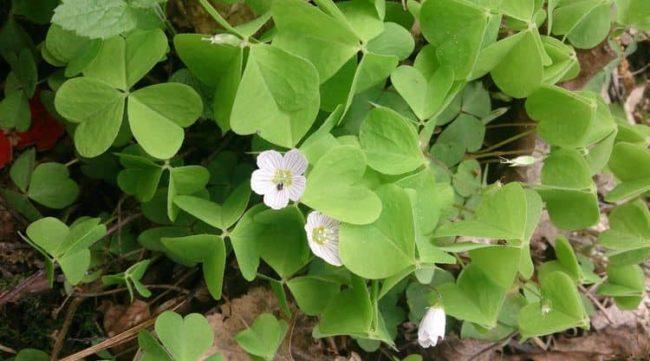
It belongs to the genus of the same name in the Oxalis family. It is a herbaceous perennial plant, growing to 5-10 cm tall. It has a thin, creeping, reddish rhizome. Mycophycete fungi live on the roots. The plant has short shoots, trifoliate, clover-like, delicate green leaves on long petioles. In rain, at night, under adverse conditions, and when touched, they droop and fold. In winter, under snow, they remain green. The leaves have a slightly sour taste due to oxalic acid. Oxalis blooms in May or June, producing inconspicuous small flowers with white petals with transparent veins.
In Russia, wood sorrel grows in the temperate regions, the Far East, and Siberia. It can be found in dark forests composed of both coniferous and deciduous trees. The plants grow in ravines, along the banks of rivers and streams, and near swamps. Near water, they form a continuous carpet of vegetation.
What are the healing properties?
The plant's medicinal properties are based on its content of several organic acids. Ingredients derived from wood sorrel greens enhance urination and bile secretion, increase gastric acidity, and regulate digestion. Wood sorrel has antiseptic and restorative properties.

The benefits of using the plant's extracts can be felt in cases of dyspepsia, liver disease, and hypoacid gastritis. Nutritionists recommend eating raw wood sorrel leaves for hypovitaminosis, gastritis, anorexia, and to improve appetite.



In folk medicine, wood sorrel leaves are used to combat heartburn and vomiting, various digestive disorders, eliminate bad breath, normalize metabolism, and treat atherosclerosis and heart and vascular diseases. Crushed leaves can be applied to wounds and ulcers for healing.
Use in folk medicine
For medicinal purposes, the stems, leaves, and flowers can be used, harvested when the plants are in bloom, or just the leaves. They can be eaten fresh or pre-dried for winter use. Store in paper bags for up to 1 year.
Tincture for kidney and urinary tract diseases
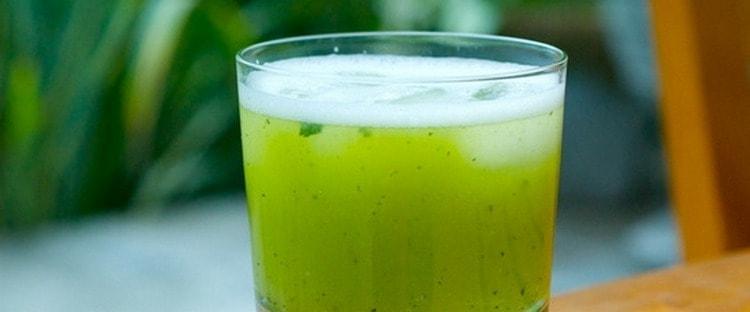
Preparation: Add 1 tablespoon of dried leaves to 0.4 liters of boiling water and let steep for 15 minutes. Then strain through cheesecloth and drink 0.5 tablespoons three times daily with meals. An alcohol tincture of wood sorrel reduces inflammation: pour 0.2 liters of vodka over 50 grams of leaves, let steep for a week, and drink before meals twice daily.
Tincture for compresses for rheumatism and bruises
For external use, prepare a tincture of 50 g of the herb and 0.5 liters of vodka. Infuse it for 10 days in a dark place. After infusing, strain the mixture. Apply compresses to rheumatoid lesions and bruised areas twice daily.
Juice with honey for diarrhea and inflammation
For diarrhea caused by intoxication, antibiotic use, gastroenteritis, stress, or sensitive bowels, take fresh wood sorrel juice with lemon juice. The ratio of juices is 1:1. Drink 1 tablespoon of the mixture several times a day.
Decoction at high temperature
Wood sorrel can reduce fever during colds and flu. During illness, you can take a decoction of 1 tablespoon per 0.18 liters of hot milk. Warm in a water bath for half an hour. Drink warm 3 times a day 0.5 hours before meals.


A decoction for gargling with sore throat
For the throat, prepare a decoction of 2 teaspoons of wood sorrel and 0.2 liters of boiling water. Let it simmer over low heat for 10 minutes. After straining, add water to bring the volume back up to the original level. Gargle at least 3 times a day.
How is it used in cooking?
Wood sorrel leaves are edible and have a delicate, tart flavor. They can be used to make uniquely flavored entrees and delicious vitamin-rich dressings. Fresh leaves can be added to salads like nettles, to egg dishes, meat, and fish dishes to replace vinegar, and to soups and borscht instead of sorrel, imparting a tart flavor. Dried leaves are sprinkled on meat and fish. Wood sorrel and cottage cheese can even be used to make pancakes, and it's also added to potato pancakes. Let's look at the ingredients and preparation steps for wood sorrel soup and mashed potatoes.


Green cabbage soup with sorrel
To cook cabbage soup, you need to prepare the following for 1 liter of water or meat broth:
- wood sorrel and potatoes - 200 g each;
- onion – 1 large head;
- butter and sour cream – 30 g each;
- boiled egg – 1 pc.;
- seasonings, salt.
Directions: Place potato pieces in boiling water or broth, cook for 15 minutes, add fried onion and wood sorrel leaves, and continue cooking until tender. After 5 minutes, add spices and salt. When serving, top the shchi with a chopped hard-boiled egg and sour cream.

Sour puree
Puree is made from young leaves. Wash them, dry them on a towel, and then grind them in a meat grinder. Add salt to the mixture, mix well, and transfer to small sterilized jars. Refrigerate the jars. Another storage option: divide the puree into portions large enough for a meal, place them in bags, and freeze them. Freezing is convenient because it's easy to prepare: just open the bag and drop the contents into boiling water.

Possible contraindications to the use of herbs and whether it can cause harm
Due to the organic acids found in relatively high concentrations in wood sorrel, it is contraindicated for people with oxaluria, liver or kidney failure, gout, arthritis and arthrosis, chronic urinary tract diseases, cirrhosis, and bleeding disorders. Contraindications include pregnancy in women, and wood sorrel should not be given to children.
Healthy people without contraindications should avoid consuming wood sorrel in large quantities or frequently. An overdose can cause heartburn and stomach upset due to the chronically increased acidity of the juice. In any case, consult a doctor before using wood sorrel-based home remedies or dishes.
Wood sorrel is a small plant whose leaves can be eaten and used to prepare folk remedies. The herb has a stimulating effect on the bile and urinary tract and increases the acidity of gastric juice, making it useful for gastritis with low acidity to normalize acidity and stomach function. Wood sorrel is beneficial for healthy individuals as a vitamin-rich plant with a general tonic effect. Dishes made from the plant are recommended in the fall and winter as a source of essential vitamins.
Related posts:
 How to quickly get rid of wood sorrel in your garden: the best methods and prevention
 The best eggplant varieties for growing in a polycarbonate greenhouse: planting and care
 Causes and treatment of eggplant pests and diseases, how to combat them at home
 The health benefits and contraindications of black currants
 Why do cucumber leaves curl inward and what to do about it?
 Red currant health benefits, properties, and contraindications
 The benefits and harms of gooseberries for human health, properties and uses
 The health benefits and contraindications of white currants