- Selection and characteristics of the variety
- Pros and cons
- Planting and caring for double daffodils
- Choosing bulbs
- Site preparation
- Planting dates and patterns
- Loosening and weeding the soil
- Watering and fertilizing
- Prevention and treatment
- Diseases
- Insect pests
- Pruning and preparation for winter
- Breeding methods for the Bridal Crown variety
- Examples in landscape design
- Gardeners' reviews
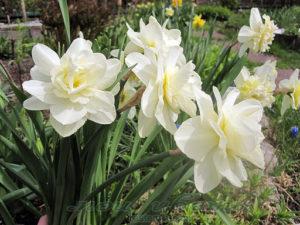
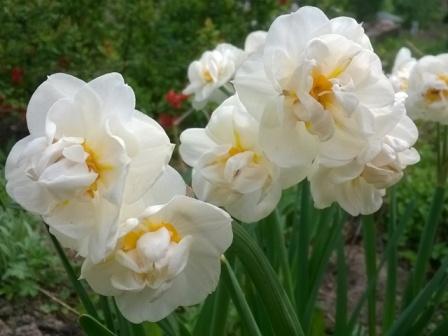
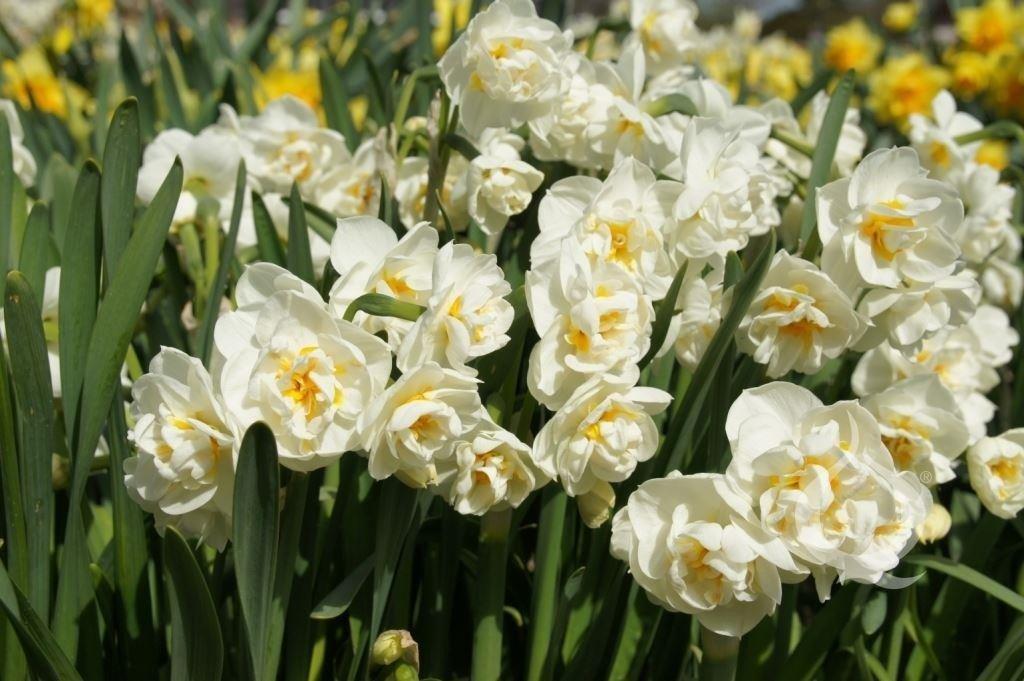
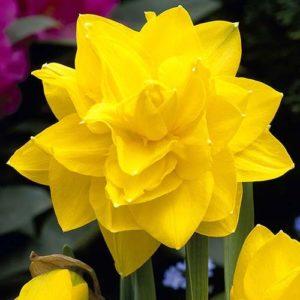
The Bridal Crown daffodil is a beautiful but rather fussy flower. It thrives in shade and doesn't require much watering. However, direct sunlight can negatively impact the plant's growth and appearance, causing discoloration. This daffodil is a double hybrid and is very attractive.
Selection and characteristics of the variety
The Bridal Crown daffodil was developed by American scientists in the 1960s.
Pros and cons
The advantages of the plant include the following:
- pleasant aroma;
- beautiful appearance;
- strong immunity;
- unpretentiousness in maintenance;
- long flowering period.
Planting and caring for double daffodils
In order for a terry daffodil to grow and develop well, it requires high-quality care.
Choosing bulbs
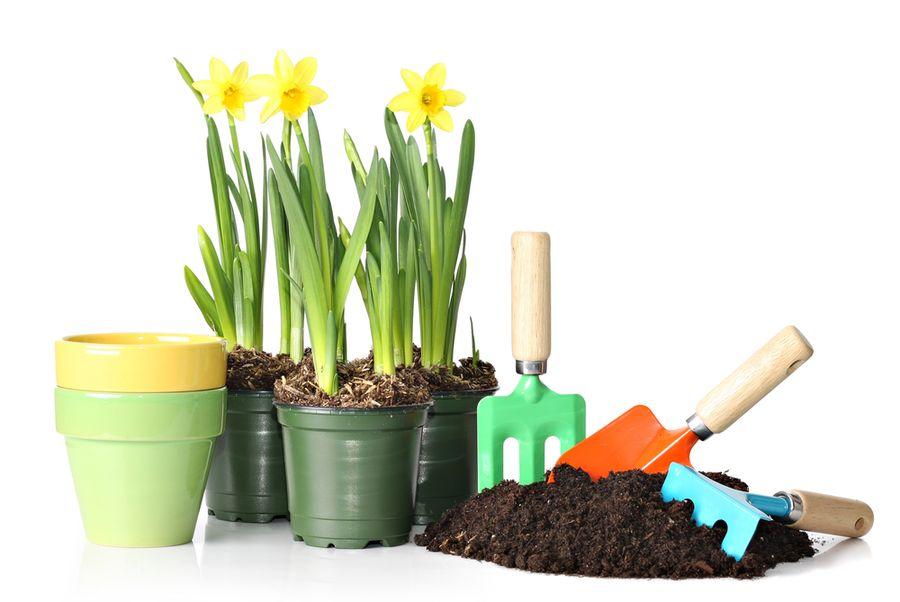
It is recommended to use only healthy bulbs without any signs of damage for planting. Rotten or moldy bulbs should not be used.
Site preparation
It's recommended to prepare the bed in advance. To do this, follow these steps:
- dig up the soil to a depth of 30-35 centimeters;
- remove weeds and other debris;
- mix the soil with peat and humus;
- add sand to heavy substrate;
- combine highly acidic soil with lime;
- 2-3 weeks before planting, dig up the soil again and mix it with minerals.
It is not recommended to plant daffodils in beds where any bulbous plants have previously grown.

Planting dates and patterns
The timing of planting bulbs depends on the region's climate. In the north, this should be done in mid-August, while in warmer climates, planting occurs in the first half of November. In any case, it's best to plant 1.5 to 2 months before the first frost.
In spring, daffodils can only be planted in the south. It's recommended to do this before the growing season begins. When doing this, treat the planting material with a disinfectant.
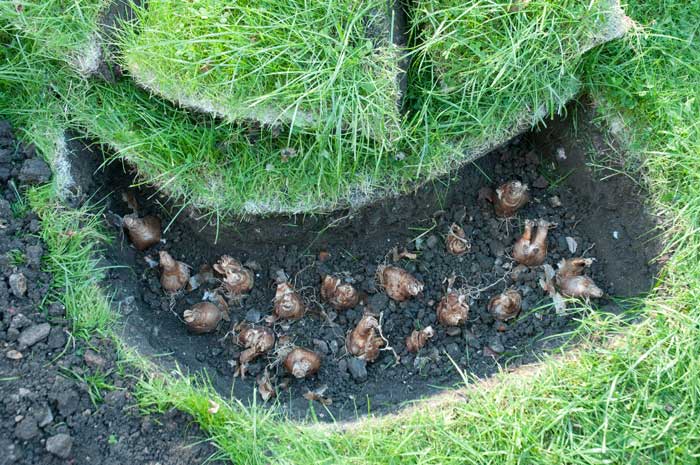
To plant a plant, it is recommended to do the following:
- Make holes in the prepared bed. They should be 30-40 centimeters deep.
- The distance between holes should be 10-15 centimeters. The distance between rows should be 20-30 centimeters.
- Place small stones at the bottom of the depressions.
- Add fertile soil and place the bulbs in it.
- Large materials should be deepened by 12-15 centimeters, small materials by 10-12 centimeters.
- Sprinkle the bulbs with soil and water.
- Cover the bed with a layer of mulch. Use sawdust or dry grass for this.
Loosening and weeding the soil
Careful weeding is recommended, as the bulbs are located near the soil surface. Similar guidelines apply when loosening the soil. This procedure is carried out when a dense crust forms on the surface.
Watering and fertilizing
Daffodils don't tolerate overly wet soil. However, they do require a fair amount of watering. It's important to water the beds during bud formation and flowering. During the bulb maturation stage, the soil should also be moistened.
Prevention and treatment
Proper flower care can increase your flowers' resistance to diseases and pests. It's also important to conduct annual disease and pest prevention.
Diseases
Plants often suffer from sclerotial rot. The disease develops during the growing season, covering the bulbs and soil with a dense web-like coating. The disease causes the bulbs to rot. To avoid problems, store and plant the planting material properly.
Daffodils are also susceptible to fusarium wilt. This fungal infection is common in the south. Before planting, the bulbs should be treated with fungicides.
Insect pests
Sometimes narcissists are attacked by parasites such as:
- Thrips. These insects can spread viruses and fungi. To control these pests, it's important to treat them with specialized products.
- Nematodes. Flowers suffer from stem and leaf nematodes. Controlling them is quite difficult. Therefore, affected crops must be destroyed. Fungicides can be used in the early stages.
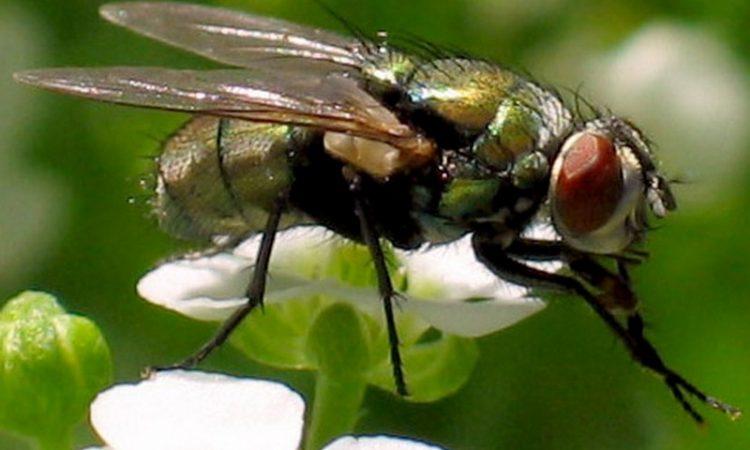
- Flies. To prevent attacks by bulb and daffodil flies, treat planting material with hot water. During bud formation, spray the bushes with fungicides.
Pruning and preparation for winter
In the north, it's recommended to insulate daffodils. To do this, cover the bed with peat and sawdust in late autumn. Place spruce branches and dry leaves on top.
Breeding methods for the Bridal Crown variety
The plant can be propagated in the following ways:
- Pups. After flowering, pups appear. It is recommended to separate them and move them to a new location.
- Bulbs. Large bulbs should be divided into 4-6 pieces. It's then recommended to treat them with growth stimulants and plant them in fertile soil.
Examples in landscape design
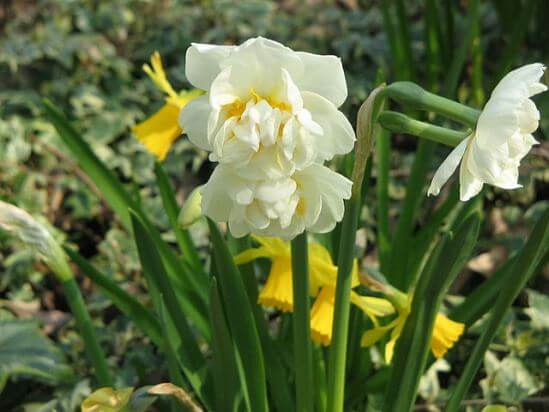
Bridal Crown daffodils are very popular with gardeners and can become the centerpiece of a spring flowerbed. Landscape designers use flowers to create borders. They are also suitable for rock gardens.
Gardeners' reviews
Numerous reviews of this plant confirm its popularity:
Maria, 35: "A few years ago, a friend gave me Bridal Crown daffodil bulbs. This variety blooms beautifully. Several double flowers appear on a single stem. These plants have become a real gem in our garden."
Anna, 40: "I've been growing daffodils for a long time. A few years ago, I planted the Bridal Crown variety. I was pleased with the results. The plants have lush, beautiful flowers and are completely low-maintenance."
Bridal Crown daffodils are very popular among gardeners. They offer excellent ornamental qualities and are easy to care for.
Related posts:
 Planting and caring for daffodils in open ground, the best time and growing rules
 When and when can daffodils be repotted? Step-by-step instructions and care.
 Description and characteristics of the Dick Wilden daffodil variety, planting and care instructions
 Description and characteristics of the Ice King daffodil variety, planting and care instructions
 Description and characteristics of the Calgary daffodil variety, planting and care instructions
 Description and characteristics of the Cheerfulness daffodil variety, planting and care instructions
 Description and characteristics of the Pink Charm daffodil variety, planting and care instructions
 Description and characteristics of the Minnow daffodil variety, planting and care instructions