
- Selection and characteristics of the Dutch Master variety
- Advantages and disadvantages
- Growing specifics
- Choosing bulbs
- Site preparation
- Planting dates and patterns
- Watering frequency
- Plant fertilizing
- Trimming
- Protection from insects and diseases
- Wintering
- Breeding methods
- Examples of use in landscape design
- Gardeners' reviews
Daffodils are sought after by gardeners for their striking appearance and early blooming. They can grace flowerbeds as early as March. The daffodil Dutch Master is one of the earliest varieties. Its yellow buds with a large crown are captivating. Below is information on growing the plant, propagation methods, and its use in landscape design.
Selection and characteristics of the Dutch Master variety
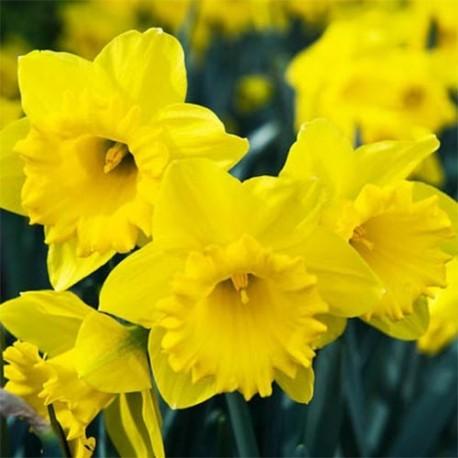
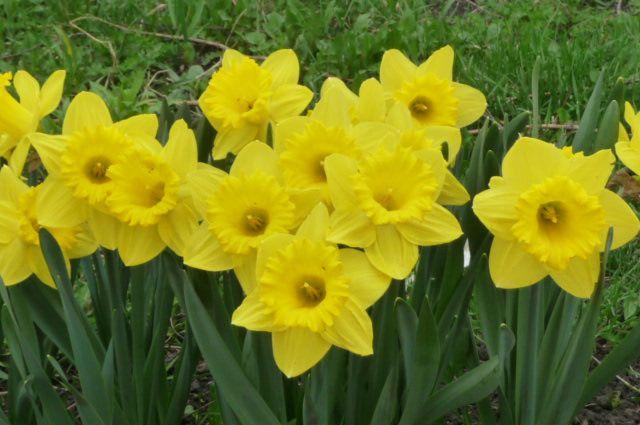
The Dutch Master daffodil was bred in 1948. It belongs to the trumpet daffodils. The bush reaches a height of 50 centimeters. A single bud crowns the long stems. The crown and petals are yellow. The bud's diameter when fully open is 10-12 centimeters. The wavy-edged tube is 6-7 centimeters wide. Depending on the climate, the Dutch Master daffodil blooms in March or April. The plants exude a delicate fragrance.
Advantages and disadvantages
The positive qualities of culture include the following characteristics:
- early flowering;
- impressive appearance;
- can be used for cutting;
- ease of care;
- good immunity.
No negative qualities have been identified in the narcissist Dutch Master.
Growing specifics
Planting material should be purchased from trusted suppliers. Only then can you expect abundant and prolonged flowering in the spring.
Choosing bulbs
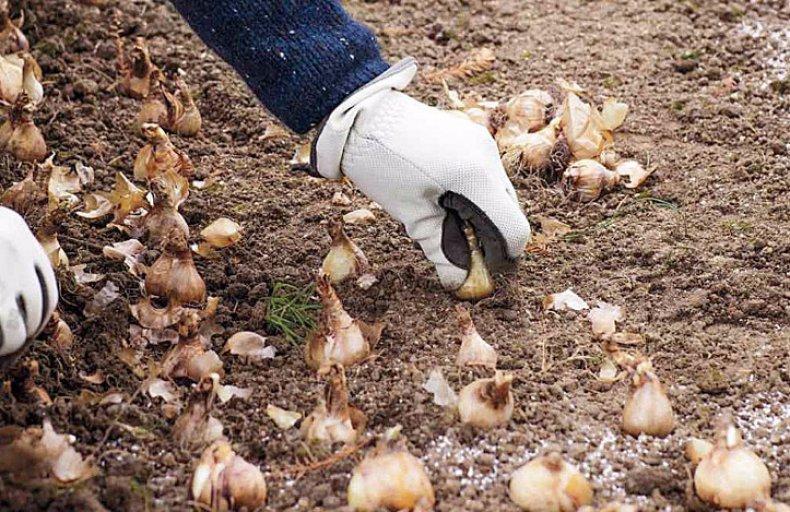
When purchasing planting material, carefully inspect it. Choose dry, firm bulbs with no signs of disease. To ensure flowering in the first spring, their diameter should be at least 3 centimeters. To disinfect, the bulbs are placed in a potassium permanganate solution for 30-40 minutes. Even if they contain fungal spores, the disinfection will kill the pathogens.

Site preparation
Crop rotation will prevent many diseases of the Dutch Master daffodil. It's not recommended to plant the bulbs after hyacinths, tulips, potatoes, or tomatoes. Legumes are the best predecessors. In the summer, the soil in the selected planting area is dug over and loosened. You can add compost at a rate of 15-20 kilograms per square meter. In the fall, dig again and add mineral fertilizer.

Planting dates and patterns
Daffodils are planted outdoors in the fall, 3-4 weeks before the onset of frost. This period allows the bulbs to adapt to the new conditions. Sometimes, a gardener might not have time to plant daffodils in the fall. In this case, the bulbs need to be kept at a temperature of 1-2°C for 2-2.5 months during the winter.
Planting daffodils at a distance of 10-12 centimeters is done as follows:
- dig holes 15-20 centimeters deep;
- add some sand;
- plant the bulbs;
- covered with substrate.
Important! To ensure daffodils bloom in the spring, the bulbs require low temperatures during the winter. Planted in the ground in the fall, they undergo the necessary stratification naturally.
Watering frequency
Plants especially need moisture in early spring, during budding, and after flowering. If there is sufficient rainfall throughout the season, daffodils do not require additional watering. Excessive moisture can cause the bulbs to rot in the soil.
Plant fertilizing
Fertilization is required during the following periods:
- early spring;
- during the budding period;
- during flowering;
- after the buds have dried.
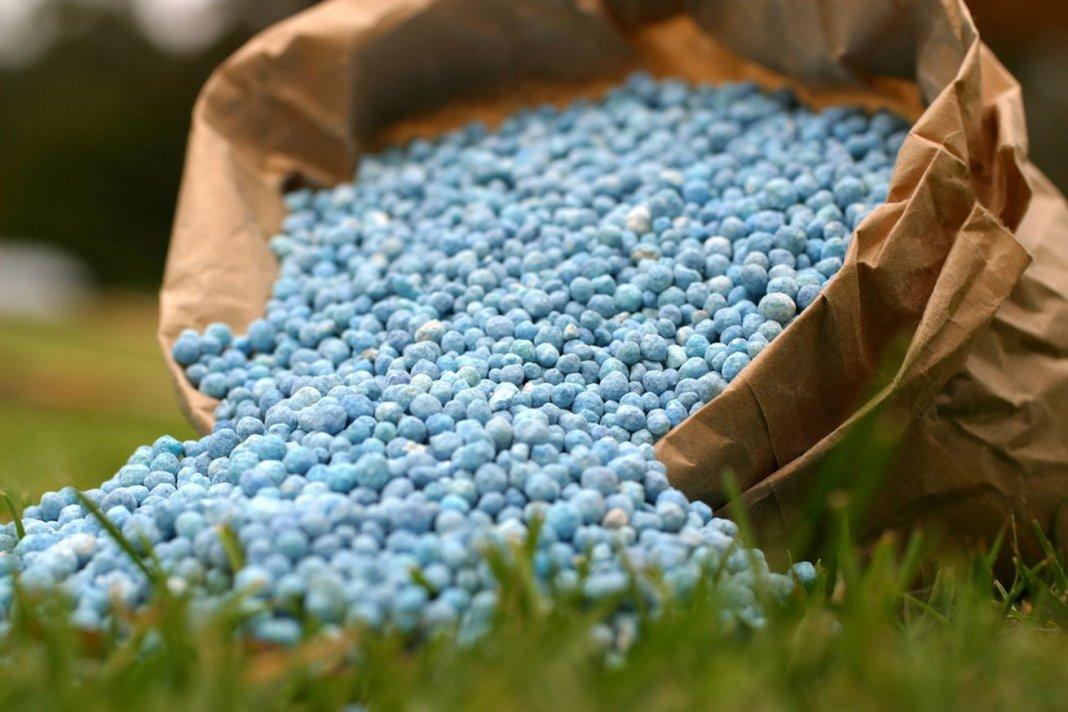
For nutrition, use mineral substances with a predominance of potassium and phosphorus. Fertilizer should be applied to moist soil. This will prevent root burn.
Trimming
The Dutch Master daffodil has a long stem and beautiful, fragrant buds. Therefore, it is used as a cut flower. If the plant is intended for decorative purposes, the flower stalk is cut off after the buds have dried. The leaves should be allowed to dry naturally.
Protection from insects and diseases
In excessively dry or, conversely, rainy summers, daffodils can be susceptible to pest attacks and rot. To prevent these problems, treat the plants with special preparations several times a season. The packaging usually includes dosage recommendations.
Also, as a preventative measure, remove plant debris from the flowerbed, as it may harbor spores and pest larvae. Before planting, soak the bulbs in a potassium permanganate solution for half an hour to disinfect them.
Wintering
Once the foliage has faded, the bulbs are dug up and dried every three to five years. They are planted outdoors in the fall. Narcissus Dutch Master is a frost-hardy plant and requires no shelter. Before the onset of sustained frost, the planting area can be mulched with peat, straw, or sawdust. Apply a 5-6 centimeter layer of mulch.
Breeding methods
The main method of propagating daffodils is by dividing the bush. This process begins after the foliage has yellowed. The overgrown bush is dug up and divided. Large bulbs are transplanted directly into the flowerbed. Small bulbs are planted separately in rows.
After 1-2 years, the bulbs develop the ability to produce a flower stalk. They are dug up and transplanted to a permanent location. Gardeners don't propagate daffodils by seed due to the labor-intensive nature of the process. This method is typically used by plant breeders.
Please note! When propagated by seed, daffodils may not retain parental traits.

Examples of use in landscape design
Dutch Master daffodils are planted in groups. They will stand out as a bright yellow spot against the lawn. The bushes can be planted around the trunks of trees and shrubs. The crowns of these shrubs won't interfere with the daffodils, as their foliage unfurls much later. These plants are used in mixed borders, flowerbeds, borders, and rock gardens.
Gardeners' reviews
Dutch Master is highly sought after by gardeners. They praise the daffodil as a spectacular plant that can brighten up a garden in early spring. It's easy to propagate, low-maintenance, and has a strong immune system.
Margarita, Moscow region: "The Dutch Master is not only a beautiful but also a very frost-hardy daffodil variety. It overwinters without cover. A few bulbs remained above ground in the fall. Not only did they not freeze, but they even began sprouting in the spring."
Elena, Tver Oblast: "I've been growing Dutch Master daffodils for six years now. The large yellow flowers are among the first to grace the flowerbed in early spring. Last year, the bushes grew too large, and the buds began to shrink. So I dug up and replanted the bulbs. Now I'll have even more blooming daffodils in my flowerbed."
Related posts:
 Description of shallot varieties, cultivation and care, when to harvest
 When is the best time to plant tulips in open ground? Timeframes by region and rules.
 Planting and caring for daffodils in open ground, the best time and growing rules
 When and how to plant tulips in the Urals in autumn and care for them outdoors
 Description and characteristics of the Ice King daffodil variety, planting and care instructions
 Characteristics and descriptions of the most beautiful types of daffodils, names of the best varieties
 Description and characteristics of the Dick Wilden daffodil variety, planting and care instructions
 Instructions for use of Master fertilizer: composition, purpose, and analogues