
Fertilizers are widely used in agriculture. Soil must be constantly enriched. Otherwise, expecting high yields is futile. Partially utilizing the soil can help. However, it's not always possible to let the plot rest after harvest. Then, using a fertilizer called Azofoska is a suitable option that will provide your garden plants and crops with balanced nutrition.
Description and characteristics of fertilizer
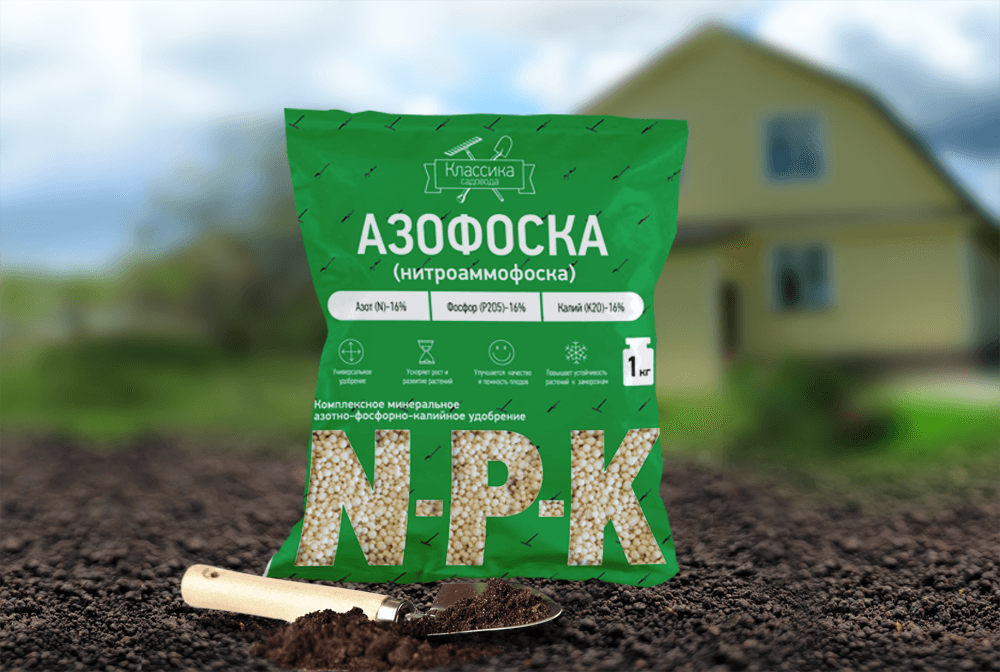
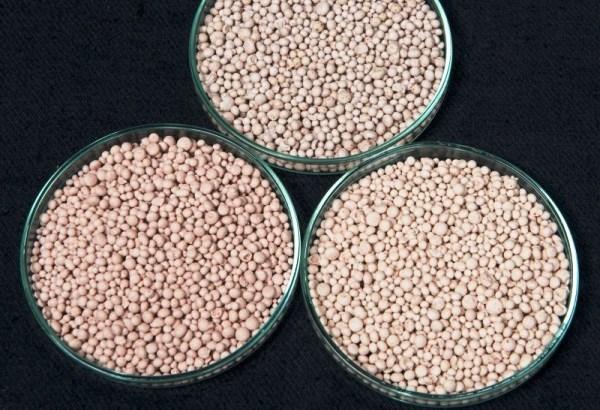
Azofoska is also known as nitroammophoska (abbreviated NPK). Today, it has earned the status of the most popular mineral complex in agricultural production, due to its content of nutrients vital to agricultural crops: nitrogen, phosphorus, and potassium.
What's particularly appealing is that this agrochemical is suitable for all soil types and all plants. It comes in granular form. Even on the poorest, most weakened soils, its application has been shown to be significantly effective.
Azofoska is available in several brands. Each variety has its own composition, varying in the percentage of its constituent elements. This complex fertilizer is widely used in home gardening.
Composition and how it is made
Nitrogen is the main active ingredient. Its content in the product can vary from 16 to 26 percent.
Phosphorus is valuable at the beginning of the growing season as a plant growth stimulant. Its content ranges from 4 to 20 percent.

Potassium – promotes metabolism and is important for root development. Its deficiency negatively impacts plant immunity. Potassium levels can vary between 5 and 18 percent.
Sulfur – its content in Azofoska is negligible – 2.6-4 percent. However, this amount is sufficient for normal photosynthesis.
Types of Azofoska fertilizer
Important! The application of azophoska depends largely on the type of mineral complex used.
It's difficult to name the best. They differ in the ratio of micronutrients.
Fertilizer brands produced:
- 16:16:16. Classic. Suitable for all crops. Apply primarily in spring as a solution: a couple of tablespoons per square meter.
- 15:15:15 High concentration of nutrients. Also contains magnesium and iron, calcium and zinc, manganese and cobalt, and molybdenum, which promotes enhanced photosynthesis.
- 19:9:19. There's less phosphorus here. Recommended for soils rich in this element. This applies primarily to southern Russia.
- 1:1:1 Chlorine-free. Highly concentrated in nutrients. Suitable for all soil types as a pre-sowing fertilizer. Frequently applied when planting.
- 22:11:11. Shock doses of nitrogen and phosphorus. Necessary to restore neglected or "tired" (intensively exploited) soils. For greater effectiveness, it is recommended to harvest the green mass in the fall.
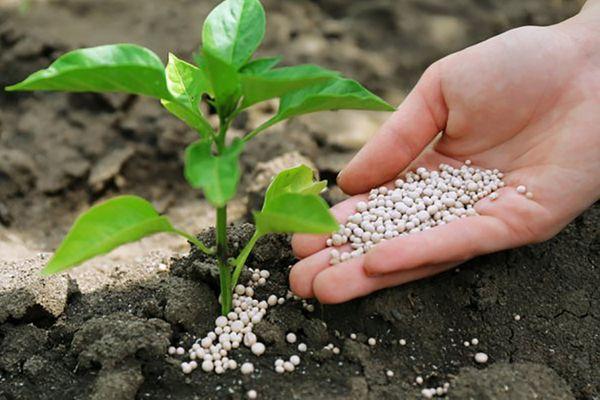
Important! This agrochemical must be used strictly according to the instructions.
Instructions for using potato fertilizer
It's a proven fact that Azofoska is effective for the development and formation of potato tubers. However, its effectiveness varies across different soils. Gardeners should know:
- it is necessary to fertilize sod-podzolic soils in the spring;
- Black soil does not require any additional fertilizing at all, but Azofoska can be applied once (sometimes several times) and in small doses;
- For sierozem and chestnut soils, irrigation with an aqueous solution is much more effective.
The recommended application rate for potatoes is 20 grams per square meter. Typically, 4 grams of Azofoska is added to the hole along with the tuber.

For seasonal feeding, it is better to prepare a solution: two tablespoons of granules per 10 liters of water.
Advantages and disadvantages
The most important advantage of this universal product is that it's suitable for all soil types. It guarantees a higher yield. It doesn't matter whether the crop is planted in a greenhouse or open ground, whether the fertilizer is applied in the fall or just before planting.
Take a look Also
Advantages of Azofoska:
- is fully absorbed and strengthens the root system;
- guarantees profuse flowering, increased fruit set, and, consequently, excellent yield;
- reduces the susceptibility of crops to diseases, pests, and temperature fluctuations;
- increases the nutritional value of fruits and vegetables;
- no other fertilizers will be required.

Disadvantages include:
- limited shelf life;
- inorganic nature;
- provoking the formation of nitrates in the soil;
- fire hazard.
Storage requirements
Azofoska can be stored for no more than six months. Moreover, the storage process must be carried out in accordance with certain rules:
- container – a tightly closed plastic bag;
- storage place – dark, dry, protected from sunlight and high humidity;
- Avoid accumulations of nitrogen dust, which can cause spontaneous combustion, and strong heating (at temperatures above two hundred degrees, dangerous poisons are released).
Important! If Azofoska has lost its flowability due to improper storage, it should be used as a solution, diluted with water.
The difference between Azofos and Azofoska
Often, sellers themselves are convinced that Azofos and Azofoska are indistinguishable and may tell customers they are the same thing. This assertion is incorrect.
Azofos (also known as Nitrophoska) is a variant of Azofoska. Unlike Azofoska, it contains nitrogen in the nitrate form. Nitroammophoska contains nitrogen in the ammonium form, which means the plant's root system develops faster, resulting in vigorous growth.
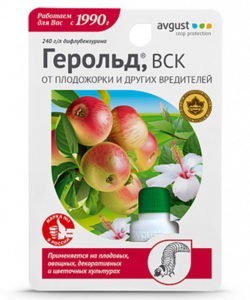
Azofoska is designed to enrich the soil with essential nitrogen, phosphorus, and potassium. Azofos, on the other hand, is a fungicide, designed to combat plant diseases. However, it contains significantly more micronutrients than nitroammophoska.
Azofos is toxic. Safety precautions must be followed when working with it.
Customer reviews
All gardeners who have already tried Azofoska on their plots speak positively about the benefits of using it. Everyone will agree that this fertilizer:
- inexpensive;
- universal, suitable for any agricultural crops;
- time-tested;
- increases crop yields several times if applied regularly.
Azofoska is useful in a summer cottage, garden or farm plot.
Azofoska is an effective and inexpensive fertilizer. It's used for feeding vegetables, berry bushes, trees, and flowers. It's suitable for all types of soil. When applied at the correct dosage, Azofoska poses no health risks. Furthermore, no additional safety precautions are required when using it.
Related posts:
 The use of peat as a fertilizer for potatoes and other crops and its differences from humus
 The best recipes for fertilizing cucumbers at home and rules for applying fertilizers
 Ammophoska composition and purpose, instructions for use of the fertilizer
 80 Best Eggplant Varieties for Different Regions with Descriptions and Characteristics
 The best grape varieties for growing in the Urals, planting and care rules in summer
 Methods for planting and propagating cherries at home
 The best eggplant varieties for growing in a polycarbonate greenhouse: planting and care
 What are NPK fertilizers, their description and types, and instructions for use