- Nitrophoska, nitroammophoska, azofoska, borofoska - what's the difference?
- Comparison of the chemical composition of drugs
- Varieties and markings
- Advantages and disadvantages of fertilizers
- What are the benefits of cucumber preparations?
- Preparation of working solution: norms and dosages
- When is it recommended to fertilize cucumber bushes?
- Instructions for use
- In open ground
- In the greenhouse and hotbeds
- Precautions for use
- What to do in case of an overdose
- Reviews of the product from experienced gardeners and horticulturists
Nitrophoska is a complex mineral fertilizer containing essential plant elements: phosphorus, potassium, and nitrogen. Applying nitrophoska to cucumbers stimulates seedling growth and improves the taste of the fruit.
Nitrophoska, nitroammophoska, azofoska, borofoska - what's the difference?
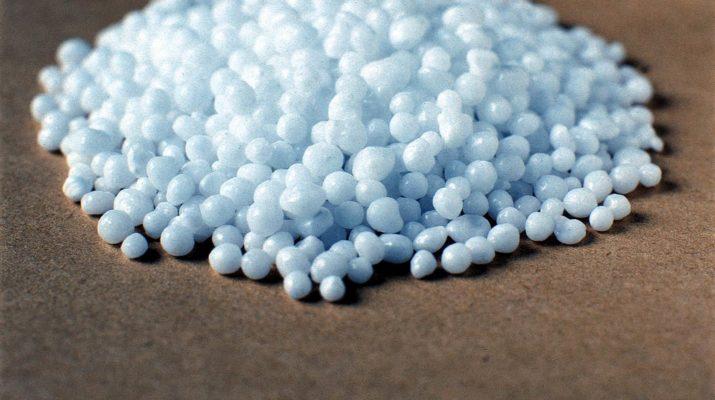
The main components of nitrophoska are necessary for the full growth and development of seedlings. Nitrophoska and similar fertilizers based on it differ in their elemental ratios. The different types of fertilizers can be visually distinguished by the color of their granules. Furthermore, the aggregate states of the auxiliary components included in these fertilizers also differ.
Comparison of the chemical composition of drugs
Depending on the development characteristics and needs of the bushes being fertilized, the proportions of the main chemical components in the fertilizer may vary. The formula, however, remains standard.
Varieties and markings
Fertilizers with different component ratios are labeled with corresponding numerical values. Typically, fertilizers with equal amounts of the main components and a ratio of 16:16:16 are used for vegetable crops and garden plants. If other mineral fertilizers are used for growing, a common option is a solution with added magnesium and a ratio of 15:10:15:2.

Advantages and disadvantages of fertilizers
Experienced gardeners often use nitrophoska to treat cucumbers due to its many advantages. These include:
- large granules are convenient for saturating the soil during digging;
- a balanced composition allows you to saturate the soil with the necessary nutritional components at all stages of development;
- Due to its high concentration, the fertilizer is used economically;
- Nitrophoska is suitable for any type of soil, regardless of its acidity;
- The granules retain their physical properties during long-term storage and do not stick together into lumps.
Take a look Also

The main drawback of this substance is that during periods of intense fruiting, plants will lack potassium and phosphorus, requiring additional fertilizers. Another drawback is that the nitrogen in the composition quickly evaporates if not stored hermetically.
What are the benefits of cucumber preparations?
Nitrophoska and similar fertilizers have a positive effect on fruit development, root formation, and the growth of above-ground parts of seedlings. Fertilizing the soil ensures it is supplied with all the necessary nutrients.
Preparation of working solution: norms and dosages
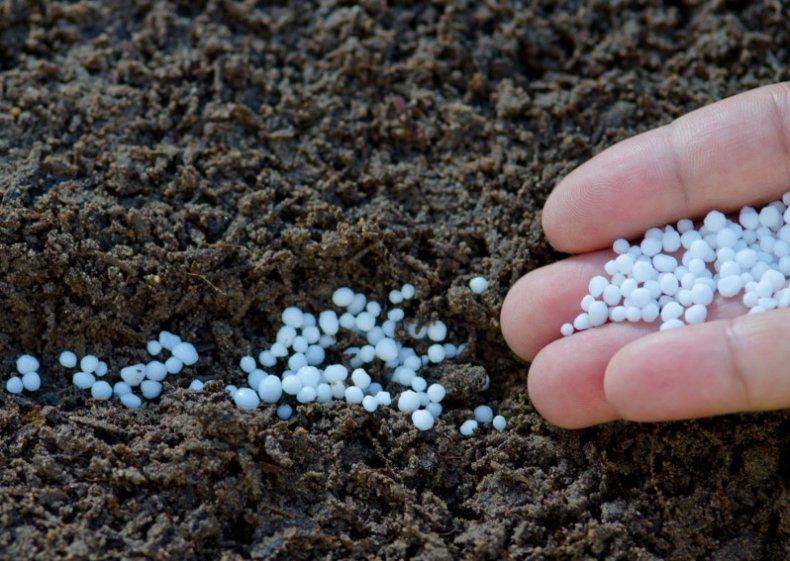
Nitrophoska can be applied to the soil in dry or liquid form at all stages of seedling growth. For mature plants, it is recommended to apply the dry substance to the soil by mixing. Young seedlings are treated with a liquid solution.
The consumption rate for each plant is 1 teaspoon of dry matter or 15 g per bucket of water.
When treating the soil in autumn, dry nitrophoska should be used, since otherwise the nitrogen in the mixture will quickly be washed out by groundwater during the winter.

When is it recommended to fertilize cucumber bushes?
The first dose of fertilizer is applied in the fall during tillage. Further applications are needed immediately before planting seedlings or sowing, at the beginning of flowering, and during the period of mass fruit formation.
Instructions for use
To apply a sufficient amount of fertilizer to the soil, follow the instructions for use. Typically, the recommended dosage and application instructions are indicated on the nitrophoska packaging. For healthy cucumber growth, applying one cup of the solution to each plant is sufficient. If you're growing tall, branched varieties, you may need to increase the dosage.

In open ground
When growing cucumbers in open ground, weather conditions must be taken into account. To achieve maximum effectiveness from nitrophoska, it is not recommended to apply fertilizer on rainy days. Soil that is damp from precipitation will prevent plant roots from receiving sufficient micronutrients, as some will be washed away.
Take a look Also
In the greenhouse and hotbeds
When using nitrophoska on greenhouse-grown cucumbers, simply pay attention to the ripeness of the fruit. Fertilizing the plants generously during flowering and fruiting ensures healthy, large, and juicy vegetables.
Precautions for use
To avoid hazardous situations when using fertilizer, it is necessary to adhere to a list of safety rules. In particular:
- Since nitrophoska is classified as a flammable and explosive substance, it is not permitted to use the fertilizer near open fire sources.
- The substance should be stored in a location with humidity no higher than 50% and protected from direct ultraviolet rays. It is also important to limit access of children and animals to nitrophoska.
- When using the product, it is recommended to wear a protective mask and rubber gloves. In case of contact with the product, thoroughly wash exposed skin with warm water and soap.
- After the expiration date, it is not allowed to use the fertilizer for its intended purpose.

What to do in case of an overdose
Once nitrophoska penetrates the lower soil layers, plant roots absorb only the amount of nutrients needed for a given stage of development. Any excess fertilizer gradually decomposes and does not harm the plants. Adhering to the recommended dosage is important to conserve nitrophoska.
Reviews of the product from experienced gardeners and horticulturists
Vasily: "I use nitroammophoska every season to treat greenhouse cucumbers. The vegetables always grow vigorously, and ripening is not delayed. I calculate the dosage by eye, and I've never had any problems with its use."
Marina: "I used other mineral fertilizers before, but the effect of nitrophoska is much more noticeable. The fruits are growing larger and have a much better flavor than the previous harvest. I apply the fertilizer outdoors."
Related posts:
 Description of unusual methods for planting and growing cucumbers
 How to make a cucumber trellis with your own hands from scrap materials
 Description of the best varieties of Chinese cucumbers, planting, growing and care
 How to properly plant cucumbers in open ground with seeds, and at what depth
 How to care for cucumbers in open ground from planting to harvesting
 Types of fungicides for cucumbers in a greenhouse and instructions for use
 How to properly plant cucumber seedlings in a greenhouse and care instructions
 Is it possible to soak treated cucumber seeds before planting and how to do it correctly?
Take a look Also