
Dill grows well in the garden, on the balcony, and even in a pot on the windowsill. Its greens are widely used in cooking, and its seeds are also used in folk medicine and cosmetology. They can be used to produce new plants for the following year. Let's explore the shelf life of dill seeds under different conditions for brewing and planting.
Preparation for storage
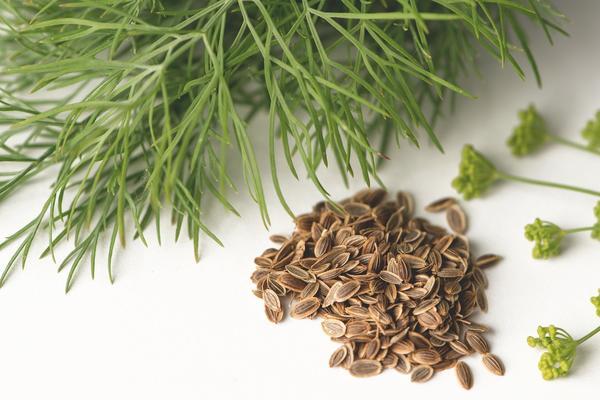
First of all, it is necessary to dry fresh seeds properly so that they do not spoil during storage and do not lose their beneficial properties.
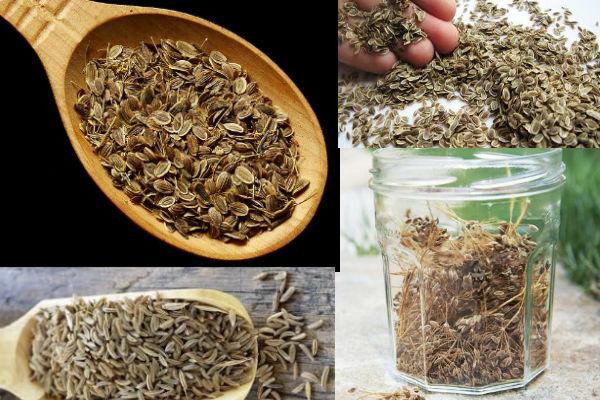
To ensure the seeds germinate, wait until they are fully ripe. Begin harvesting the umbels when the seeds darken, turning from green to brown. Lay the umbels on a cloth in a dry room or outdoors under a roof, out of direct sunlight. After a few days, the seeds will be completely dark and dry, indicating they are ready. Then separate them from the umbels; a large-mesh sieve is a good way to do this.
If the seeds are to be used solely for food, medicinal purposes, or skin care, they can be harvested unripe and dried along with the greens. The umbels are gathered into a bunch and dried upside down for several days under the same conditions.
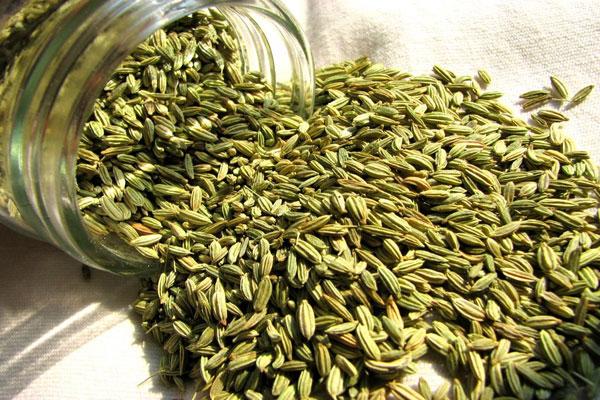
Dried seeds for germination are stored in cloth bags or loosely sealed glass jars.
Storing dill
Dill greens are easy to store and can be easily dried or frozen for the winter.
Fresh in water at room temperature
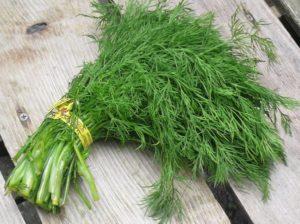
If you only have a small amount of greenery, you can cut a centimeter off the bottom of the stems and place it in a glass of water, avoiding direct sunlight. Dill will stay fresh for several days if the indoor temperature is below 25 degrees Celsius.
Take a look Also
Storing dried dill
Large quantities can be dried. This preserves the flavor, is easy to make, and doesn't take up much space.
Finely chop the clean herbs and spread them in an even, thin layer on a cloth or paper towel in a dry place, but not in the sun or under lamps. Dried dill will keep in bags, wooden jars, or glass jars for about 8 months—just enough time to harvest again.
Cold storage
Dill can stay fresh for several weeks to a month if kept at a cool temperature and under certain conditions. There are several ways to preserve these herbs in the refrigerator.
In plastic containers
Herbs can be stored for a long time in special vegetable containers. Place clean, dry dill in such a container, seal it, and place it in the lower part of the compartment.
In a jar of water
You can store herbs in water not only indoors but also in the refrigerator for up to two weeks. Place the sprigs in a glass and cover the leafy tops with a plastic bag or cling film.
In glass jars
This method is great for storing chopped herbs, making them convenient to use when you're short on time. Sterilize glass jars with boiling water, in the microwave, or in a slow cooker. Place fresh, clean, and dry herbs in the jars and seal with lids.
For long-term storage (more than a month), they should be placed on the bottom shelf of the refrigerator.
In a plastic bag
This is considered the simplest, but less reliable method. This way, dill will stay fresh for about a week. Sort through the leaves, removing any dry or spoiled ones. No need to wash! Place the good greens in a regular plastic bag and tie a knot to trap air inside. The bag should resemble a balloon.
Using an onion
A simple but little-known way to extend the life of fresh herbs. Wash the dill, dry it, and place it in a plastic bag along with a peeled onion. Tie the bag shut. The herbs can be stored this way for about two weeks, provided you replace the onion after seven days and leave the bag open for 10 minutes.
Take a look Also
Freezer storage
If the size of the chamber allows, it is better to freeze the herbs - they will retain more vitamins and essential oils than dried ones.
Sort the dill, rinse, and dry thoroughly. Excess moisture will cause the greens to clump together when frozen and may impair storage. Finely chop the leaves and thin stems.
Prepared dill can be frozen:
- In plastic containers.
- In plastic bags, after releasing the air from them.
- In small zip-lock bags.
You can make a ready-made seasoning for soups, potato dishes, and grains using herbs and butter. For this, you'll need silicone or plastic freezer cube molds. Place a small amount of chopped herbs in the bottom of each mold and top with butter.
Then it's very convenient to remove one cube and add it to a hot dish. This dressing will keep for no more than 3-4 months.
Expiration dates
There are different versions of how long seeds can be stored to grow fresh dill, use for medicinal purposes, or in the kitchen.
They generally retain their ability to germinate for 2-3 years, then gradually lose their ability. Some can germinate even after 6 years. For planting, it's best to use seeds 1-2 years old; for brewing and cooking, they can be stored for up to 6 years. But the “older” the seeds, the fewer beneficial properties they retain.
Related posts:
 Description of the best dill varieties for open ground and for greens, what the plant looks like
 Characteristics and description of the Alligator dill variety
 Basic rules for growing and caring for dill: how many days it takes for it to sprout, how it grows, and when it ripens into greens
 How to choose the best dill varieties for growing greens without umbrellas in open ground and greenhouses
 The best recipes for preparing and storing dill for the winter at home
 How to freeze dill in the refrigerator for the winter: the best recipes
 How to dry dill at home for the winter
 How to properly plant dill in open ground and a greenhouse: secrets of agricultural technology
