
Ripe grapes always attract various insects, including wasps. To ensure a high-quality harvest, it's important to know how to properly protect grapes from wasps. The damage they cause is significant, so a variety of methods, both gentle and drastic, are required. The choice of methods depends on various circumstances. Let's look at protection methods and recommendations from gardeners.
Wasp damage to crops
No garden plot can be imagined without wasps. They are considered predators, helping to control pests during the spring and summer. Wasps build their nests in secluded and remote corners of the garden, and they can grow to be quite large.
To avoid the problem of damaged crops, you need to destroy their nest while it is still small and be sure to treat the area with chemicals to prevent the insects from returning a year later.
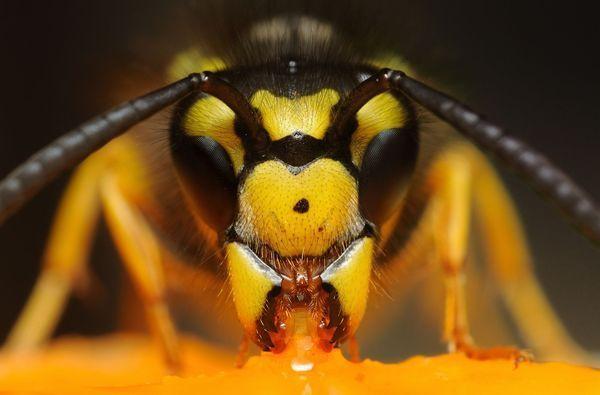
These insects eat nectar and also feed on the sweet juice of fruits, which is what attracts them to ripe bunches of grapes.
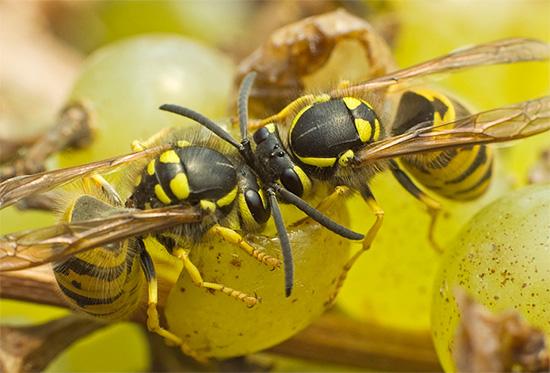
Wasps easily bite through the thick skin of grapes and consume the pulp. This damages the harvest. A single large colony on a plot can destroy the entire crop. If a bunch is even slightly damaged, it is susceptible to fungal infection. The wasps puncture the berries to allow them to ferment, and a few days later, they enjoy the intoxicating pulp. All this leads to losses for gardeners.
Methods of protecting vineyards
There are two types of wasp protection for grapevines: active and passive. The first group of methods involves the use of chemicals, while the second group involves humane methods that do not harm the insects or humans and help produce a high-quality, tasty harvest.
Mechanical (physical)
Mechanical protection of grapes involves destroying wasp nests in the area before the grapes reach commercial maturity. Finding a wasp nest isn't easy, as the insects always try to hide it. The best options are a shed, a thicket of branches, or a tree hollow. Once the nest is found, it must be destroyed, but this must be done carefully to avoid harming your own health. Self-protection and precautions are essential.
Take a look Also

It is recommended to wear thick clothing, gloves, and a mosquito net. It is best to destroy the nest in the evening, as the insects are less active at this time. It is recommended to use insecticides in the form of a spray or aerosol against wasps. Prepare the solution according to the instructions. The nest is treated several times.
Recommended preparations for wasp control: Dr. Klays, Raid, Bros, Fumitox, Dichlorvos.
Traps
Traps are the most effective method of protection against wasps. They are used when a nest has not been found or when wasps are flying in from a neighboring area.
Traps are set throughout the area and beyond.
Options for making traps from a plastic bottle:
- Pour syrup, jam, or honey into the bottle. Make a hole no larger than 10 mm in the lid. The wasps will be attracted by the sweet scent, begin to enter the container, and will be unable to escape.
- The top of the bottle is cut off, and fruit or syrup is placed on the bottom. The cut-off portion is placed in the container with the neck facing inward. The trap is placed in the vineyard.
Traps are not only made by hand, but also purchased in specialized stores.
Repellers
A repeller is a structure that imitates a wasp nest. Place it in the vineyard, and wasps will no longer frequent the vineyard. The repeller can be purchased at a specialty store and will last for several years. Folk remedies are also used. A great option is lemon and cloves. Place lemon wedges studded with cloves in the vineyard. Wasps dislike the smell and will avoid the vineyard.
Net
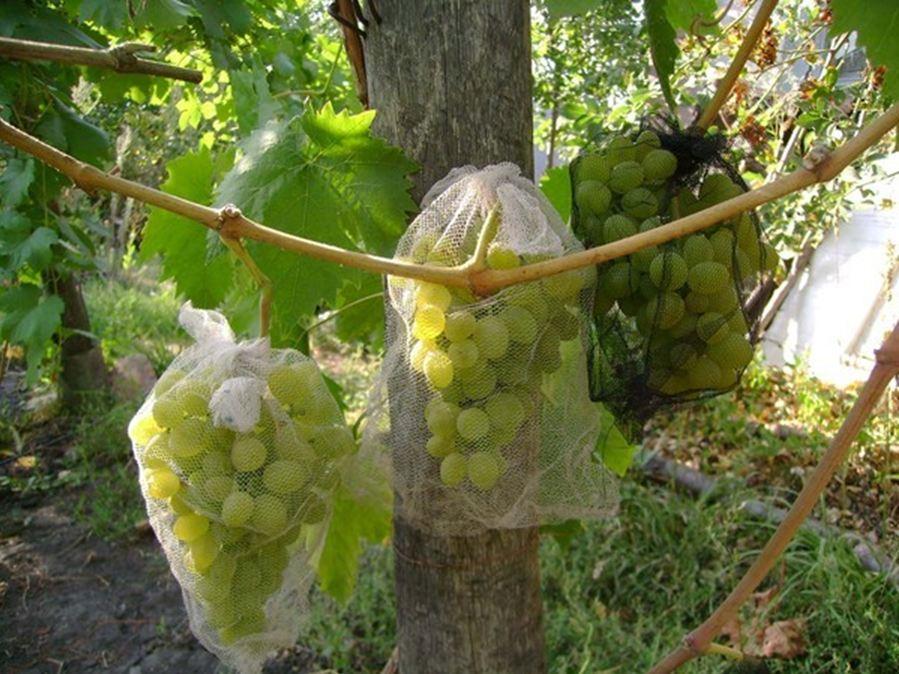
To protect the harvest from wasps, special bags are used. If these are not available, women's stockings are used as protection, and they are wrapped around the bunches until they ripen.
This option is not considered to be a good protection, as as the berries ripen, they begin to get crushed by the stockings.
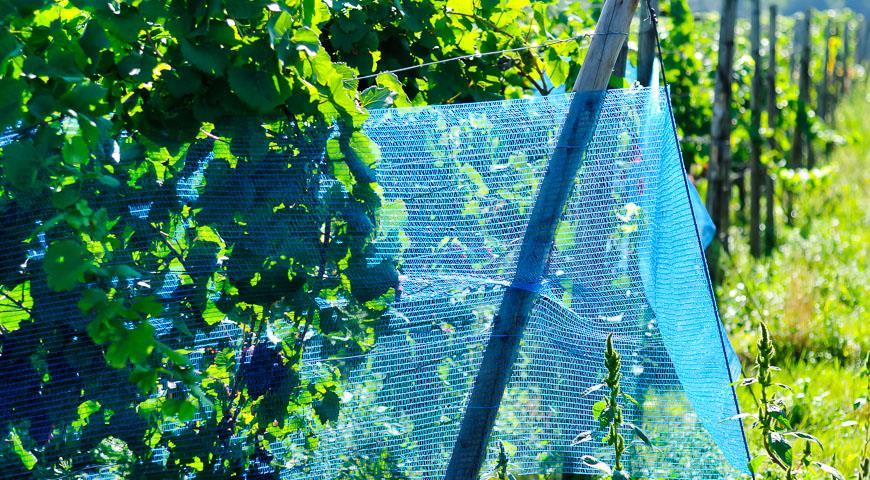
The optimal solution is polyethylene nets with ties, which do not restrict the growth of the bunches. However, these bags also have their drawbacks, including the difficulty of using them in large vineyards. They provide maximum protection for ripe grapes from wasps and are used for several years. The bags are applied at the first sign of insect damage to the berries. They do not compress the berries.
Destruction of the nest
To get rid of wasps, you need to locate their nest. Removing a nest from your property requires wearing special clothing, as these insects are vindictive and will take revenge on their enemy at the first opportunity.
How to deal with wasp houses:
- removal of empty nests and treatment of that area with chemicals and paint;
- spraying the nest with kerosene or other toxic chemical;
- smoking out wasps and removing the nest from the area (burning, treatment with boiling water);
- a small nest that has just begun to form is destroyed with a vacuum cleaner;
- Housings that are located in cracks or other openings are cemented or filled with mounting foam.
The elimination of nests should begin in early spring, while the wasp houses are still empty.
Chemical treatment
Chemical treatment should only be used as a last resort, after passive control methods have failed. It is recommended to carry out the treatment several weeks before harvest, and to follow all instructions.
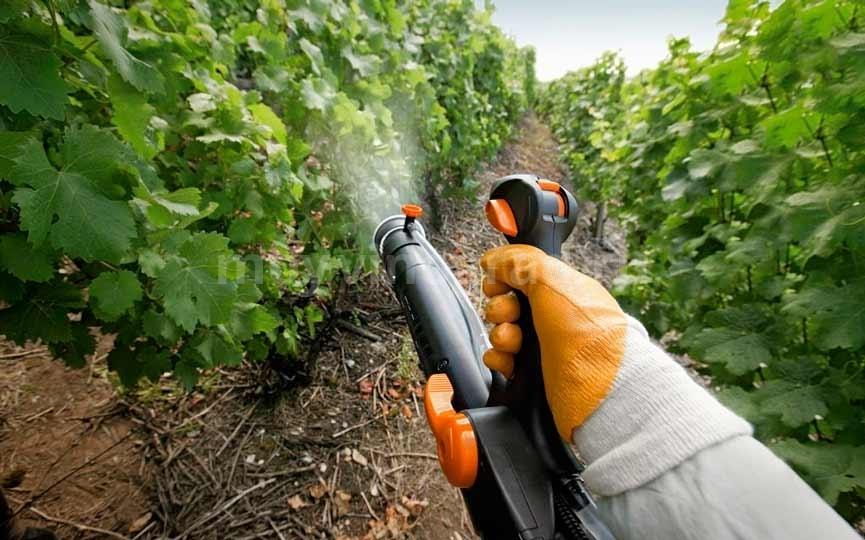
Spraying
Spraying the crop with chemicals must be done with caution and with proper dosage. It's important to remember that there's not much time between spraying and harvesting, so it's recommended to thoroughly wash ripe berries. The vineyard can be treated with an aqueous solution of chlorophos.
Insecticides
Insecticides can help save crops at any time and in the presence of various infestations. Treatment is carried out with a special solution prepared according to the instructions. Effective wasp control products have been described previously. This option is considered undesirable and is recommended for use only in extreme cases.
Traditional methods
Wasp stings damage crops, causing considerable trouble. Folk remedies for protecting crops from insect pests, including wasps, are the most gentle and effective. They pose no danger to humans, compared to chemicals.
Popular methods of fumigation of vineyards:
- Burning birch bark leaves. Dry leaves are placed in a bucket or other container and ignited. The bucket of smoke is placed under the nest. The nest is fumigated several times a day.
- Lighting the plastic. The lit plastic should burn vigorously, then it's extinguished, placed in foil with holes in it, and placed near the wasp nest.
- Burning wormwood. Dried wormwood is mixed with dried leaves in a 1:1 ratio and set alight. The container is placed near the nest.
After fumigation, the nest is removed and burned, and the area is treated with chemicals.Vinegar is also used for protection. A solution is sprayed on the vineyard early in the morning. The proportions are: 100 ml of vinegar per 1 liter of water.
Tips from pest control experts
Advice from experienced gardeners and experts will help solve the wasp problem. What should you do to prevent wasps from eating ripe grapes? First, find the nest. If it's small, eliminating it won't be too difficult, especially if it's located above ground.
When placing a nest in the ground, you need to adhere to the following steps:
- Preparation of the solution: mix cement, any chemical preparation purchased in a specialized store and intended for fighting insects, 5 liters of boiling water;
- removing the top layer of soil from the nest;
- treating the area with chemicals and boiling water, pouring the prepared solution into the wasp house.
For prevention, it's also recommended to use other crop protection methods, as wasps often fly in from neighboring plots. Bags placed on grape clusters before the harvest ripens are suitable for this purpose. Following the recommendations for protecting grapes from wasps and other insects will help you achieve a bountiful harvest and remain profitable.
Related posts:
 Description and cultivation techniques for the Muromets grape variety
 How often should grapes be watered in the summer while the berries are ripening?
 How to properly grow a peach tree from a seed at home, planting and care
 Description of the Hungarian grape variety Kishmish 342, planting and care
 The best grape varieties for growing in the Urals, planting and care rules in summer
 Is it possible to grow an apricot tree from a seed in your garden? How to plant and care for it?
 How to control carrot flies with medications and folk remedies
 Description and characteristics of the Laura grape variety, planting and care