
Cherries are very popular among gardeners. They are tasty and healthy, and are used in compotes, jams, and confectionery. Once planted in the garden, cherries quickly begin to bear fruit. The only drawback can be the constantly growing shoots, which prevent the tree from producing a bountiful harvest. Below is information on how to get rid of cherry tree shoots in the garden, what preventative measures to take, and which varieties do not produce root suckers.
Why does cherry tree sprout?
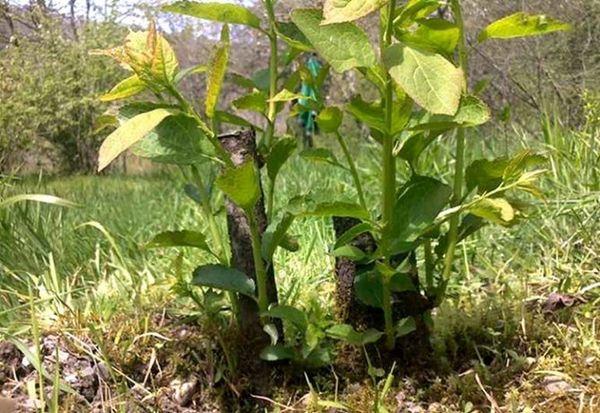
An abundance of shoots around a tree is not uncommon. All stone fruit trees form horizontal roots, from which root suckers emerge. By growing new shoots, the cherry tree strives to produce numerous offspring.
In turn, root suckers receive nutrition from the mother plant and can weaken and kill it. If left untreated, the cherry tree can crowd out not only the parent tree but also other nearby trees.
Please note! Only mature plants that have developed horizontal roots produce numerous shoots.
Causes of excessive shoot growth
Cherry shoots appear in the garden for many reasons, the most common of which are the following:
- The cherry tree wasn't planted deep enough. This can be corrected by adding soil to the root system.
- Incompatibility of the scion and rootstock. If the scion fails to take root, the plant devotes all its energy to developing the underground part.
- Too many branches were pruned during crown formation. As a result of this imbalance between the above-ground and underground parts, the root system begins to form new shoots.
- As a result of exposure to weather conditions (heat, cold, hail), the cherry tree was damaged.
- While digging around the tree with a shovel, the roots were damaged. Shoots are starting to grow vigorously from the damaged root system.

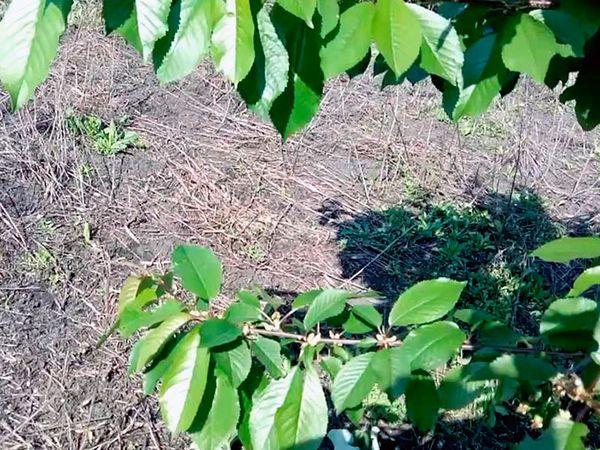
By identifying and eliminating the cause that contributes to the appearance of suckers, the gardener will reduce the cherry tree's ability to form them.
Advantages and disadvantages of overgrowth on the site
It's important to remove cherry tree shoots from your garden, but not all of them. Young seedlings can be used to propagate the tree. This is especially important if the mother tree has become diseased. Replanting the shoots will help you establish a cherry orchard in your garden without spending a fortune.
But if cherry propagation The gardener doesn't need to remove the shoots, as they can overtake the entire area. Plants compete for sunlight and nutrients, resulting in a reduced yield from the mother tree. Furthermore, young plants can harbor pests.
Getting rid of root shoots
The sooner a gardener begins removing the shoots, the easier the process will be. This can be accomplished by mechanically stimulating the root system or by using chemical herbicides.
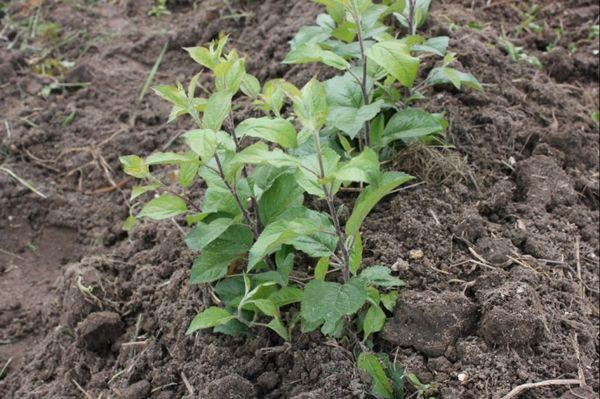
Mechanical method
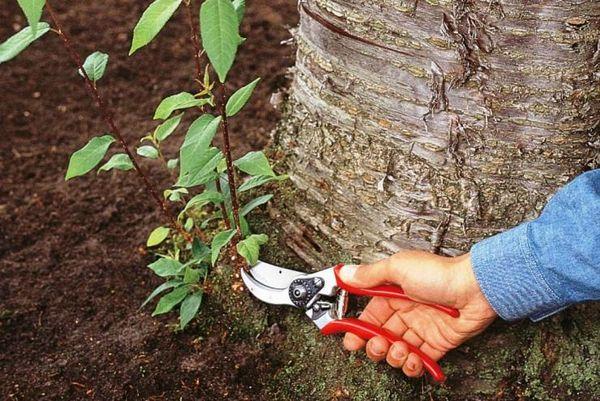
This is the most common method for removing undergrowth from a garden. It's not enough to simply pull out the young plants by hand or use pruning shears: the root remains underground, allowing new shoots to emerge.
To permanently eliminate cherry suckers, dig around them, cut off the rhizomes as close to the parent plant as possible, and uproot them. After this procedure, apply garden pitch to the cut areas to prevent infection.
Use of herbicides
This method of getting rid of unwanted plants has both proponents and opponents. Chemical spraying should be done carefully to remove only young shoots from the area, leaving the mother tree unharmed. Spraying only the young shoots is targeted, so there will be no harm to the mature tree.
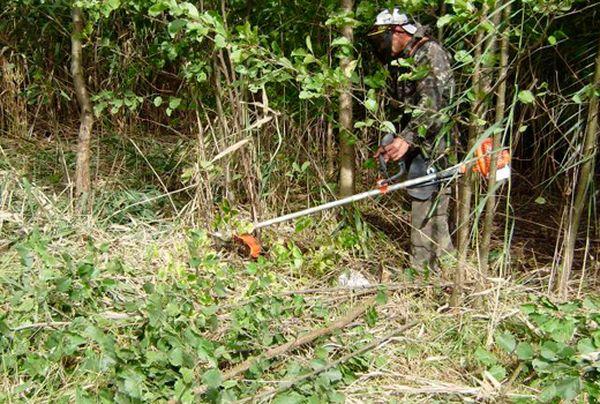
Herbicides that reach the soil quickly decompose without adversely affecting the environment. If the procedure is carried out correctly, unwanted cherry tree shoots will disappear from the garden forever.
Important! When using chemicals, observe safety precautions. Spraying should be done in calm weather.
Destruction on stumps
Typically, after a tree is felled, shoots begin to grow on the stump. Removing them doesn't solve the problem: they grow back again and again. The best way to get rid of the shoots is to uproot the stump, but not all gardeners have the time or energy to do this. There is a method for removing them without uprooting them. This involves using urea, potassium nitrate, or sodium nitrate.
To get rid of a stump, do the following:
- cut off the resulting growth;
- 13-15 holes are made in the cherry stump;
- one of the fertilizers is poured into them and filled with water;
- The stump is covered with film for 6 months to prevent precipitation from getting into it.
Control of shoots on stumps begins in late August or early September. Six months later, the cherry stump is set on fire, and it immediately burns completely.
Installing a "fence"
You can reduce the amount of suckers by using any kind of barrier, such as shingles, which are moisture-resistant, don't rot, and don't emit toxic substances. The shingles are buried 60-70 centimeters deep within a radius of 1.5-2 meters from the tree trunk. The earlier the barrier is installed, the less likely suckers are to form. When horizontal roots encounter the barrier, they change direction and begin growing downward.
Caring for a tree after removing shoots
After removing cherry shoots mechanically or using herbicides, a fence should be installed around the tree. This will limit the growth area of the shoots, making it easier to remove any new shoots if necessary. Treat the cuts on the rhizomes with garden pitch. This will prevent pathogenic microorganisms from growing on them.
Prevention
Gardeners should consider measures to prevent root suckers even before planting a cherry tree. First and foremost, it's important to follow proper agricultural practices when planting and caring for the tree. Any mistakes can lead to increased root growth. When growing a cherry tree, pay attention to the following factors:
- You need to buy cherry varieties grafted onto seed rootstock.
- Trees are planted in an elevated location, well-lit by the sun, with deep groundwater.
- When planting, you need to ensure that the root collar of the cherry does not protrude too high above the ground.
- During dry summers, water the plant regularly; otherwise, cracked soil can damage the roots. This damage can lead to new growth.
- When planting a tree, a fence is immediately built to prevent the development of root shoots.
- It's important to ensure the plant is not affected by diseases or pests. To do this, spray it with the necessary products prophylactically. If the plant dies from disease or pest infestation, it will produce a large number of new shoots.
In addition, fallen fruits need to be removed, otherwise, when they sprout, they will form new shoots.
Advice! It's best to remove emerging cherry tree shoots immediately: the older they are, the harder they are to remove.
Cherry varieties without suckers
Own-rooted varieties, those propagated by root cuttings, produce the most shoots. Cherry trees grown on clonal rootstocks produce fewer shoots (some varieties don't produce any at all). Trees grown on seed rootstocks produce few or no shoots.
Cherry varieties that do not produce root suckers:
- Izmailovskaya.
- AVCH-2.
- VSP-2.
- Vladimirskaya.
- Lyubskaya.
- Crimson.
- Shubinka.
When purchasing cherry tree seedlings from unknown sellers, gardeners risk acquiring a variety that produces abundant rootstocks. Therefore, it's best to purchase plants from garden centers or nurseries.
Related posts:
 How to get rid of plum shoots on your property forever, the best methods
 How to get rid of tree growth, the best removal methods on the site
 When and how to prune cherry trees correctly, and tree shaping schemes for a good harvest
 Description and pollinators of the Vladimirskaya cherry variety, planting and care
 Description and varieties of cherry variety Shpanka, planting and care
 How to quickly get rid of lilac shoots in your garden: the best methods and recipes
 Description and characteristics of the miracle cherry hybrid, planting and care of the variety
 13 Best Cherry Jam Recipes for Winter