- Reasons for the appearance of shoots
- Incorrectly chosen location for planting the bush
- The root system is not very deep
- Certain types of shrub damage
- Could this be harmful?
- Instructions for getting rid of undergrowth
- Chemical methods
- Manual method
- Traditional methods and the best recipes
- Prevention of occurrence
- Are there any varieties of lilac that do not produce suckers?
Many people love lilacs for their beautiful, fragrant flowers. But for gardeners, overgrowth can be a real problem. The plant can reproduce not only by seed but also by shoots, spreading over a large area. It's worth taking a closer look at how to get rid of lilac shoots to help gardeners address this problem.
Reasons for the appearance of shoots
Lilac is a long-lived plant. A bush can grow for about 100 years, which is why it has a unique ability to survive. Any lilac variety produces shoots, but some grow particularly vigorously in a garden.
Incorrectly chosen location for planting the bush
If an unfavorable location is chosen for a plant (the bush is planted in the shade, in a lowland, or in a swampy area), it will, in an attempt to survive, strive to occupy better areas, producing abundant shoots.
The root system is not very deep
When the hole for the bush is made shallow, the roots are outside and suffer from frost or lack of moisture, the lilac begins to grow intensively.
Certain types of shrub damage
Removing a shoot near the root to eliminate the plant leads to more vigorous growth. Several new shoots emerge at once in place of the broken branches.

Could this be harmful?
If left unattended, the bush quickly grows, taking up a large area, preventing other plants from growing, and ruining the appearance of the property. Therefore, gardeners today prefer other plants. Those who still desire a sprig of lilac try to limit its growth by allocating a specific location for the bush.

Instructions for getting rid of undergrowth
Getting rid of overgrown lilacs is difficult; it requires patience and time. There are several options for removing sprouts in your garden:
- use of agrochemicals;
- manual uprooting of bushes;
- folk methods, time-tested.
Each of them is worth telling in detail.

Chemical methods
They are effective for both completely eradicating plants from a site and clearing a specific area. Using modern herbicides is a simple and reliable way to control undergrowth. Roundup (the "Maximum" and "Extra" varieties have a higher concentration of the active ingredient), Tornado, Total, and Fakel are used to control undergrowth. The trunk of a mature plant is cut back to the stump, the concentrated product is applied to the shoots with a brush, and the plant is then covered with dark plastic to prevent exposure to sunlight. This procedure is repeated 3-4 times. Treatment should begin in early spring, immediately after the snow melts.
Avoid cultivating the soil around the plant. Instead of a brush, you can use a special syringe to inject the product into young branches. Another application method is to use a shovel to make notches on the trunk of a mature bush and any undergrowth, then apply the herbicide.

Another way to get rid of a lilac bush: cut it down, split the stump with a shovel or an axe, pour ammonium nitrate into the notches and tie it on top with a thick black bag.
Manual method
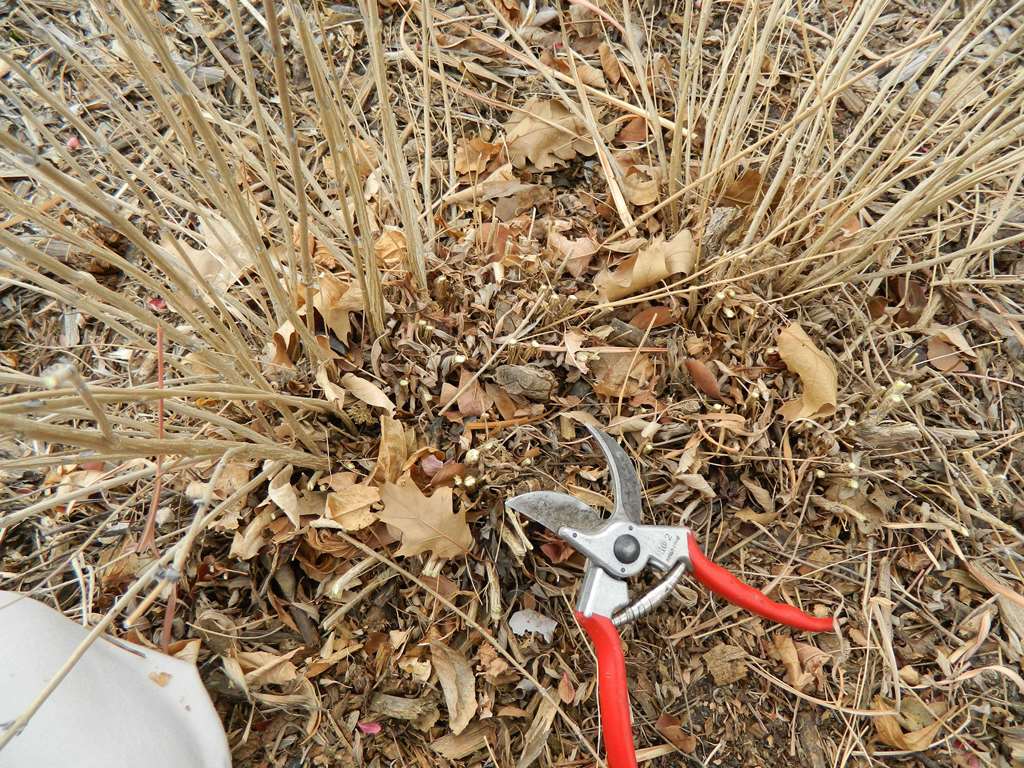
This involves uprooting the bushes. The plants are cut down to the ground, the undergrowth is removed, and then the remaining roots are pulled out with a shovel or crowbar. Any remaining small parts are removed during repeated digging.
Any vehicle can be used to facilitate the work. The roots of the bush are tied with a towing rope, and the plant is pulled out of the ground. The area is then dug over. The growth of shoots is reduced by mulching (covering them with a thick layer of soil or sawdust) to block sunlight.

Traditional methods and the best recipes
To get rid of lilacs, sprinkle the area with table salt at a rate of 1,000 grams per square meter. Then pour boiling water over the area and cover it with opaque material (pieces of plywood, slate, or film).
If there is an abundance of lilacs, there is a risk of soil “salinization”; other plants will not survive in such soils.
Covering the shoots with fresh, unrotted manure creates a greenhouse effect and burns off the shoots. Cover the area with dark plastic film or a special weed-killing agrofabric. The lack of light and the greenhouse effect will kill the shoots.
Prevention of occurrence
To prevent lilacs from spreading in the garden, use a protective screen when planting the bush. To do this, dig a trench 50-60 centimeters deep around the seedling, 40-50 centimeters away, and install sheets of slate, metal, plywood (pre-coated with a protective rot-resistant compound), or polycarbonate around the perimeter. The trench is then filled in. This screen will prevent shoots from growing beyond the barrier.
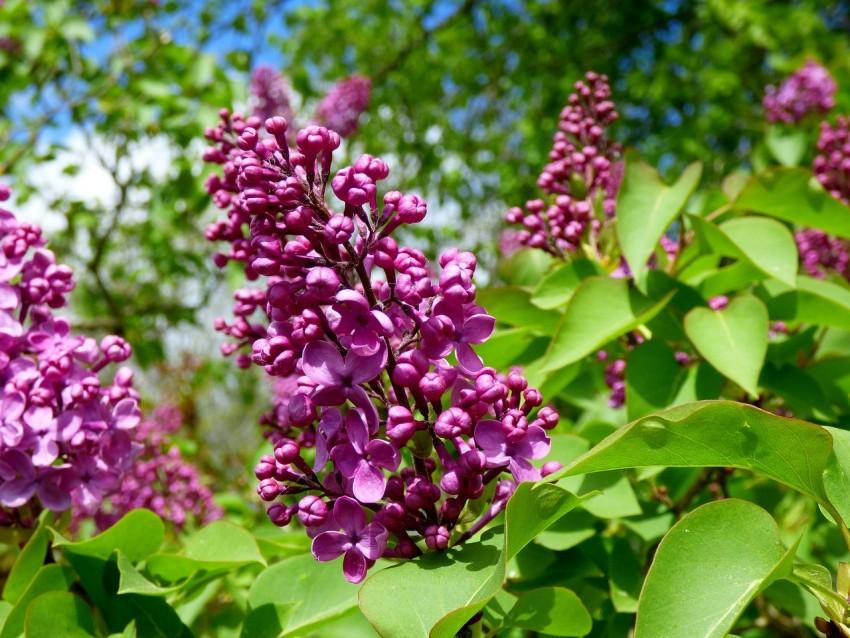
Immediately after flowering, trim off any remaining blooms to prevent lilac seeds from spreading throughout the area. Mulch the soil around the plants with a thick layer of sawdust, and mow the area around the plants periodically.
Are there any varieties of lilac that do not produce suckers?
There are varieties of the plant that produce almost no shoots, these include: Dream, Moscow Beauty, Bellicent.
With the right variety and proper care, lilacs won't cause any problems for their owners. At the same time, the bush will delight you with lush blooms and a unique fragrance every spring.
Related posts:
 How to get rid of tree growth, the best removal methods on the site
 How to get rid of plum shoots on your property forever, the best methods
 How to permanently get rid of cherry tree growth on your property yourself
 Causes and treatment of eggplant pests and diseases, how to combat them at home
 The best grape varieties for growing in the Urals, planting and care rules in summer
 Description of varieties of sowing peas and cultivation, to which family they belong
 Growing and caring for hazelnuts in open ground, rules for planting hazelnuts
 How to prune viburnum: diagrams and guidelines for beginners