
- History of Strifel's selection
- What is characteristic of this variety?
- External description
- Tree size and root system branching
- Leaves, flowers, fruits
- Pollinator varieties
- Productivity and lifespan of a tree
- Taste qualities of apples and their scope of application
- Annual growth
- Sustainability
- Towards frost
- Immunity to diseases
- The nuances of planting an apple tree on a plot
- Timing of planting operations
- Preparing the site and seedlings
- Formation of the planting hole and planting technology
- How to care for the crop
- Watering and fertilizing
- Caring for the tree trunk circle
- Formative pruning
- Preventive treatments
- Preparing the Strifel for Winter
- The nuances of harvesting
- Storage rules and duration
With proper care, the Streifling apple tree can produce a bountiful harvest for several generations. Growing it requires little effort, and even a novice gardener can successfully cultivate it. The fruit of this apple tree can be eaten fresh or preserved.
History of Strifel's selection
This variety was developed in the Baltic region. It originated so long ago (presumably in the 17th century) that no data is available on its origin.
The Streifling variety has been very popular throughout its existence due to its ability to produce abundant harvests and excellent taste.
These apple trees are currently grown in the CIS countries and Europe. This variety has several names: Autumn Striped, Starostino, Shtrifel, and Livonian Grafensteil.
What is characteristic of this variety?
The Streifling apple tree has its own important characteristics, thanks to which it has earned wide popularity among gardeners.
External description
These are tall trees with a dense, spreading crown that widens toward the top. Streifling apple trees produce numerous shoots with densely growing leaves.
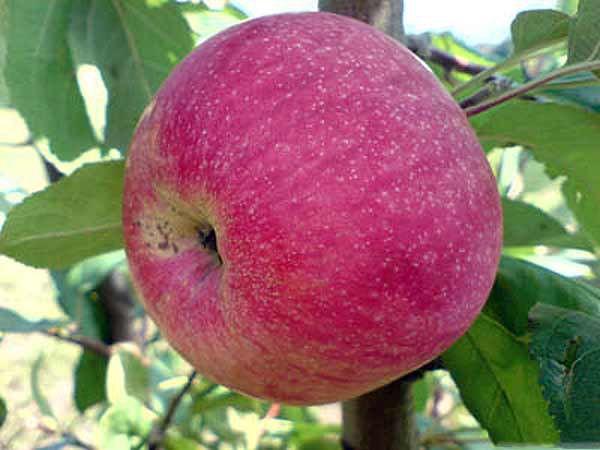
Large branches extend horizontally from the trunk. This creates the impression of a wide crown with slightly drooping edges. Large branches have smooth bark and slightly drooping tips. Young shoots of the Streifling variety tend to be lighter in color.
Tree size and root system branching
Streifling apple trees are large trees, reaching heights of up to 8 meters. The tree has a powerful and well-developed root system, the bulk of which is no deeper than 80 centimeters.
Leaves, flowers, fruits
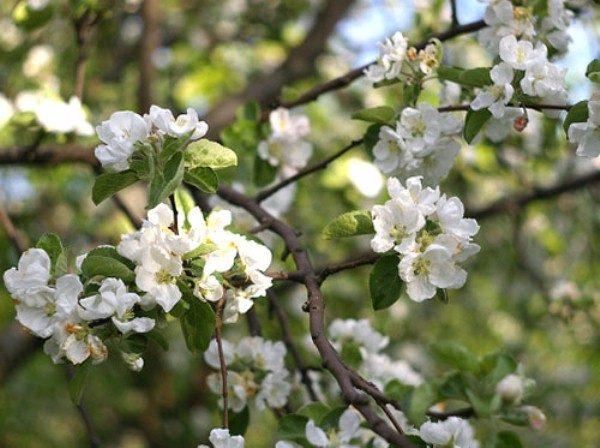
The leaves are pubescent, green above and gray below. The surface is slightly wrinkled, and the edges are serrated. The flowers are cup-shaped and consist of concave, overlapping petals. The buds have a slight pink tint.
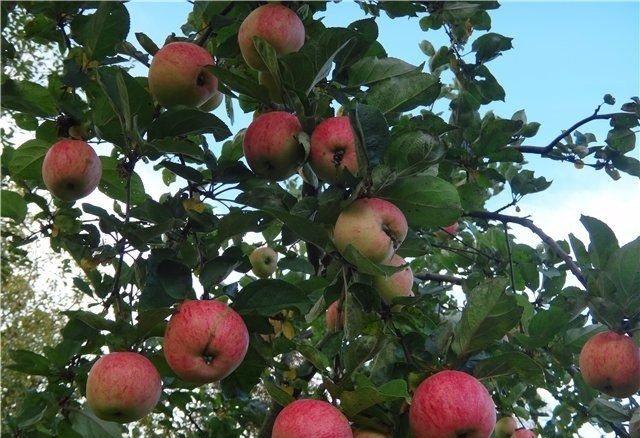
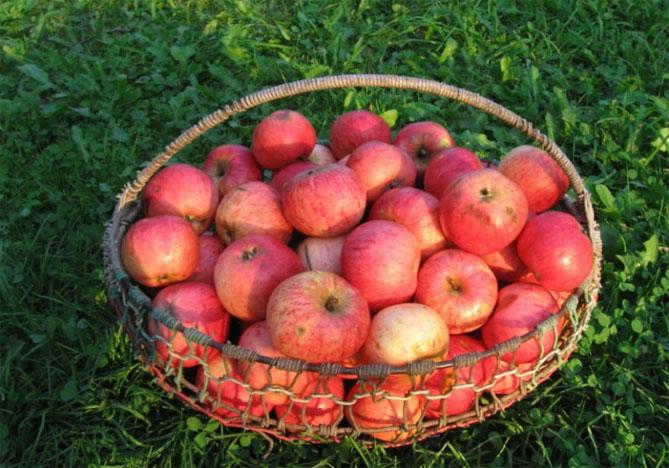
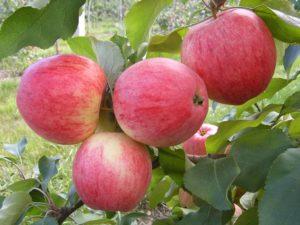
Strefling apples are large, weighing 170-200 grams. The fruit is elongated, resembling a truncated cone. The color of the fruit varies from yellow-green to yellow-orange or brown. The skin is smooth, with a light waxy coating.
Streifling apples have numerous light spots visible under the skin. The flesh is loose, yellow, sometimes creamy. It is fine-grained and juicy, exuding a distinctive apple aroma.
Pollinator varieties
The Streifling variety does not produce a harvest without pollination; to ensure this, it is necessary to plant Antonovka, Slavyanka, or Papirovka apple trees on the plot.
Productivity and lifespan of a tree
The Streifling apple tree typically produces fruit in its seventh year, but after five years, a small number of apples may be produced on the branches. As the plant grows, the yield gradually increases year after year.
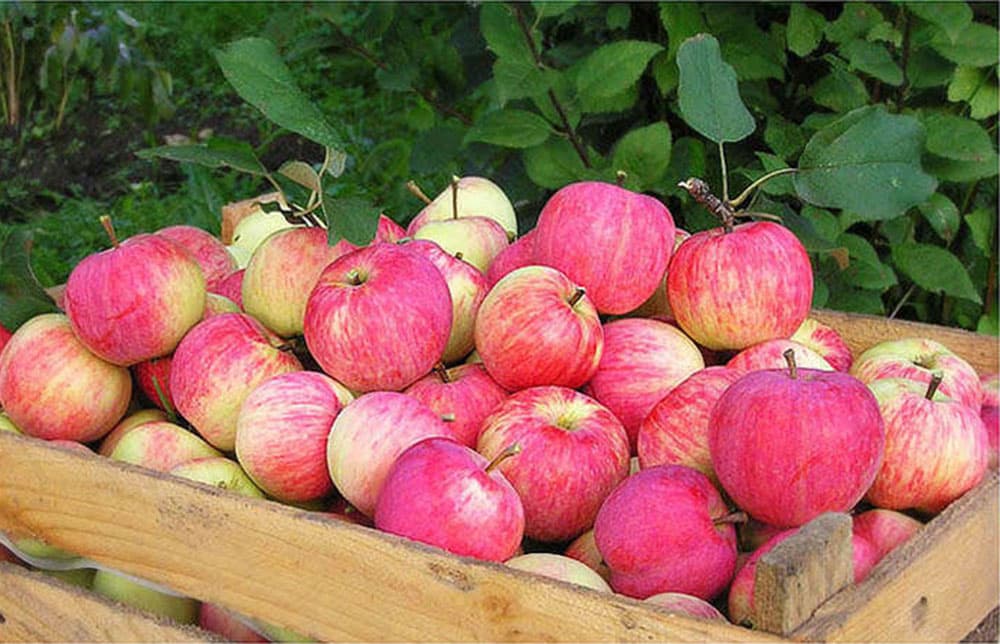
The Streifling variety is considered a productive one. A 25-30-year-old apple tree can produce 300 kilograms of apples per season. Providing the fruit tree with proper care can increase the yield.
Taste qualities of apples and their scope of application
The Streifling variety has a pleasant combination of sweet and sour flavors. This is due to the balanced composition of aromatic compounds, sugars, acids, and pectins. The aftertaste reveals a slightly spicy note with a predominant hint of sweetness.
If we evaluate the taste of the fruit on a five-point tasting scale, experts give the Streifling variety 4.5 points.
The fruits are rich in nutrients. They include:
- significant amount of vitamin C;
- organic acids;
- fiber;
- useful minerals: manganese, magnesium, potassium, zinc, sodium, a large amount of iron.
Although Streifling apples have a sweet taste, they are low in calories—over 50 kcal per 100 grams. Therefore, this variety has found use as a dietary food.
Streifling is a table variety. However, it is widely used for making jams, juices, preserves, and other preserves.
Annual growth
Fruiting occurs on three- or four-year-old branches, as well as on two-year-old shoots. Each year, the apple tree's yield increases. The tree produces significant growth throughout each season.
Sustainability
The Streifling apple tree combines high productivity and resistance to adverse weather conditions and diseases.
Towards frost
The plant can easily tolerate winter conditions. However, in northern regions where severe frosts are possible, it is recommended to cover the trees with organic matter.
Immunity to diseases
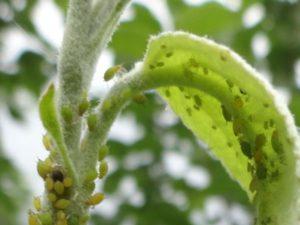
The Streifling apple tree is highly resistant to scab. However, if it develops in conditions of excessive moisture, the risk of developing the disease increases.
The nuances of planting an apple tree on a plot
Correctly performed planting of seedlings will help avoid difficulties in the future.
Timing of planting operations
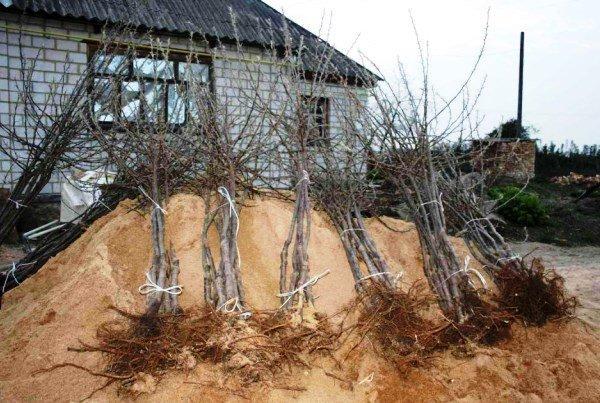
Seedlings can be planted in the fall, no later than a month before the onset of winter frosts. Planting can also be done in the spring.
Preparing the site and seedlings
Apple trees grow well in loamy soil. For heavy clay soil, add sand first. If the soil contains a significant amount of sand, mixing it with peat moss can be beneficial.
Formation of the planting hole and planting technology
For planting, you need to prepare holes of the appropriate size. They should be 60 centimeters deep and 80 centimeters long and wide. The holes are dug a couple of weeks before planting.
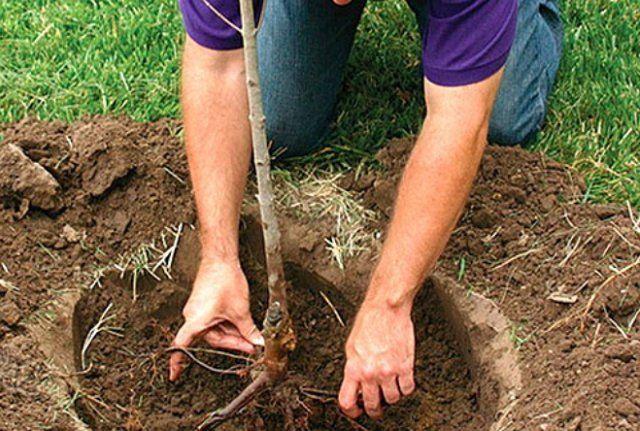
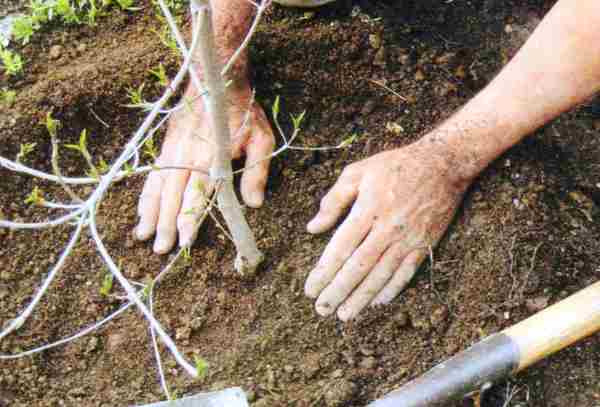
Add half a bucket of organic matter to the bottom. This can be compost or humus. Then, add soil, ensuring that the roots don't touch the fertilizer.
How to care for the crop
This apple tree will produce a good harvest with proper care. Below are the basic guidelines.
Watering and fertilizing
This variety was developed in high-humidity conditions. Therefore, it has difficulty tolerating dry conditions. Insufficient moisture reduces fruit quality and yield.
For good growth, it is necessary to carefully follow the recommended watering and fertilizing regime.
It is necessary to ensure that the top 80-centimeter layer of soil is moist, since this is where the tree’s root system is located.
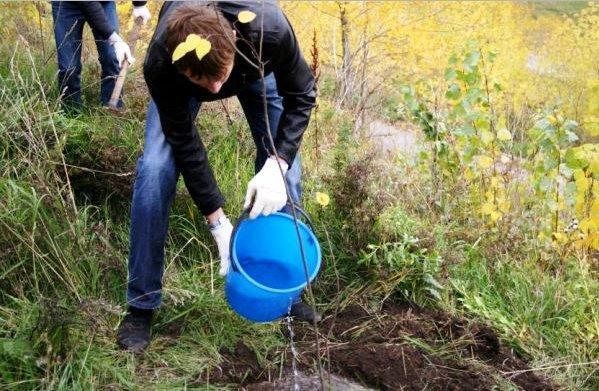
Watering is stopped a month before frost is expected to set in.
3-4 feedings are needed per season.
- The first is done before flowering begins. Mix half a glass of urea in a bucket of water.
- For the second, dissolve liquid manure in a bucket of water at a ratio of ten to one. Alternatively, you can use manure and water at a ratio of one to fifteen. This fertilizer is applied in June.
- When the apples ripen, potassium-phosphorus compounds are used for fertilization.
- In the fall, fertilize with superphosphate. One tree requires 20 to 50 grams.
Caring for the tree trunk circle
In summer, bury the remains of lupine and mustard in the soil. They will serve as fertilizer for the apple trees until autumn. Before the winter season, insecticide treatment will help eliminate pest larvae.
Formative pruning
The Streifling apple tree has a wide, dense crown. Therefore, formative pruning is essential. When pruning in the spring, the tips of the branches should be trimmed. This will stimulate vigorous growth throughout the season. The goal of fall pruning is to remove old, diseased, or damaged shoots. This will not only increase fruit production but also rejuvenate the tree, extending its lifespan.
Preventive treatments
For this variety, the first post-winter treatment against diseases and pests occurs in April, before the buds open. The next treatment is carried out after the tree finishes flowering. A solution of copper sulfate or Bordeaux mixture is used for this.
As a result of the measures taken, apple trees are reliably protected from powdery mildew, as well as scab and others.
The most dangerous insects for this variety are the apple sawfly and codling moth. Insecticides (Karbofos, Decis, or similar) are effective for controlling these pests.
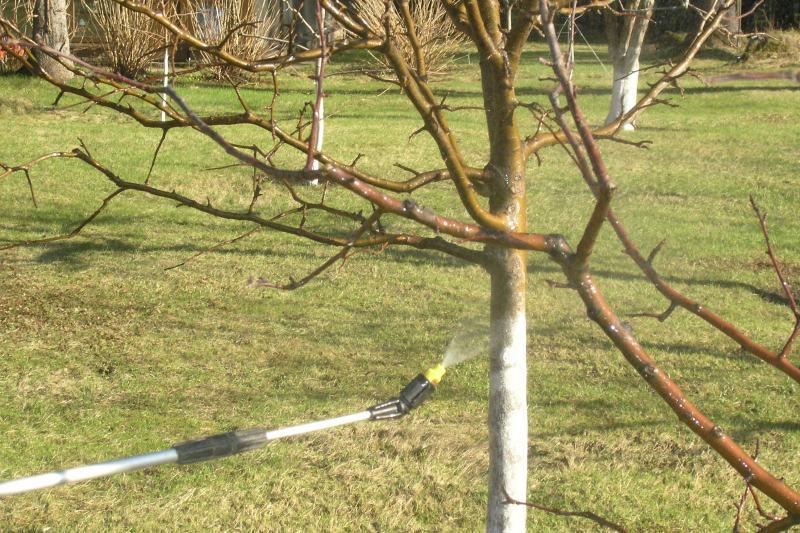
Folk remedies can be used. This is acceptable if the damage to the tree and fruit is minor. Spraying with infusions of tobacco, tansy, wormwood, or dill can be used.
To repel insects, you can plant certain plants. Tansy, marigolds, garlic, or chamomile are all good options.
Preparing the Strifel for Winter
In the pre-winter period, fallen leaves should be collected and burned. It is recommended to thoroughly dig the soil and spray it with insecticides. This will kill fungal spores and insect larvae. The Streifling apple tree tolerates frosts down to -25°C (-77°F) without any additional measures. If winters in this climate zone are even harsher, the tree's roots should be covered with branches or dry leaves.
The nuances of harvesting
The fruits are harvested in early September. To obtain the full flavor, it is recommended to leave them for another two weeks. The fruits practically do not fall, remaining on the branches for a long time. However, if you delay harvesting them, the quality of the apples will decrease.
Storage rules and duration
The ideal shelf life is 90 days. After that, apples gradually begin to lose their flavor and spoil. They are stored at low temperatures.
Related posts:
 Signs and treatment of apple tree cancer, varieties resistant to the disease
 Description and varieties of the Sinap apple tree, planting and care rules
 Description of the Chudnoe apple variety, planting and caring for a dwarf tree
 Description and characteristics of the Orlovim apple variety, cultivation nuances
 Description and planting of the Dream apple tree variety, care and propagation
 Description of the Red Early apple tree variety, agricultural technology and specific care
 Description and subtleties of growing the Sverdlovsk Beauty apple tree variety
 Description and characteristics of the Spartan apple variety, cultivation tips