
Gribovsky garlic, the description of which should begin with its characteristics, is a winter variety bred by Russian breeders.
Description and characteristics of the variety
It's worth noting that the "Gribovsky" garlic variety is a generic name for several varieties. The most common and beloved by gardeners are:
- Gribovsky 60.
- Gribovsky 80.
- Gribovsky Yubileiny. This variety was bred in 1976.
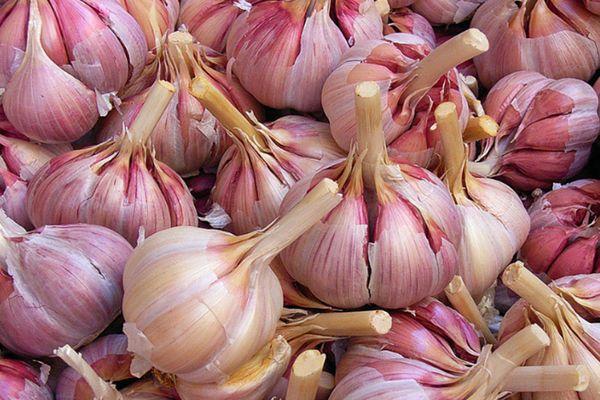
General description of the variety:
- Winter garlic is capable of releasing an arrow that grows up to 1 m in length;
- the inflorescence is a dense green umbrella;
- the plant grows about 10 leaves;
- the average weight of the head is 35 g;
- the head is oval in shape, slightly flattened;
- one head contains from 5 to 12 cloves;
- the teeth are wide, yellow in color with red-lilac or violet veins;
- Garlic has a pungent taste.
This variety is mid-season. The ripening period ranges from 80 to 125 days. The duration depends on the garlic variety, region, and growing conditions. When planted from seeds, only one clove grows. If this clove is replanted, a full head will grow.
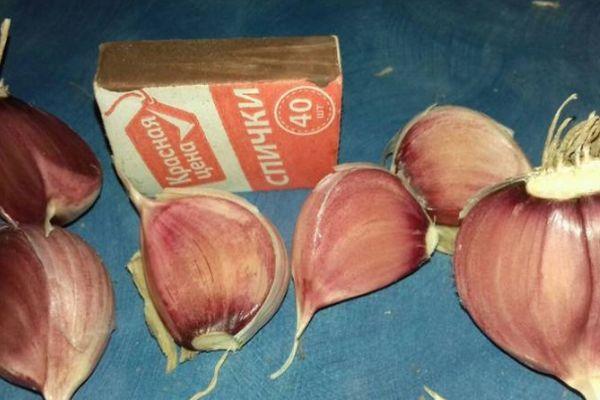
Characteristics of the Gribovsky variety:
- high immunity to fungal and bacterial diseases;
- resistance to temperature changes;
- easily tolerates both drought and cold;
- adaptability to climatic conditions;
- general purpose.
Almost all varieties of this variety have a long shelf life. The exception is Yubileyny Gribovsky, which has an average shelf life.
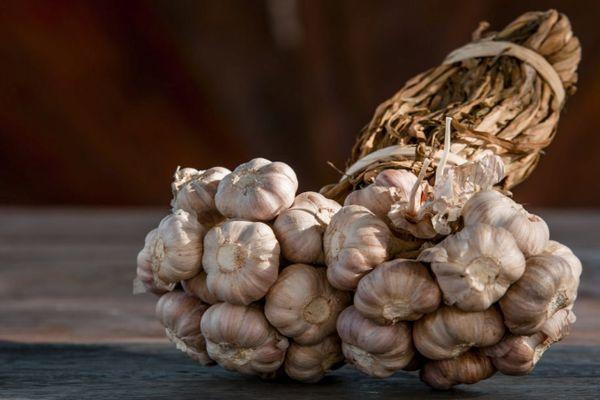
Planting garlic
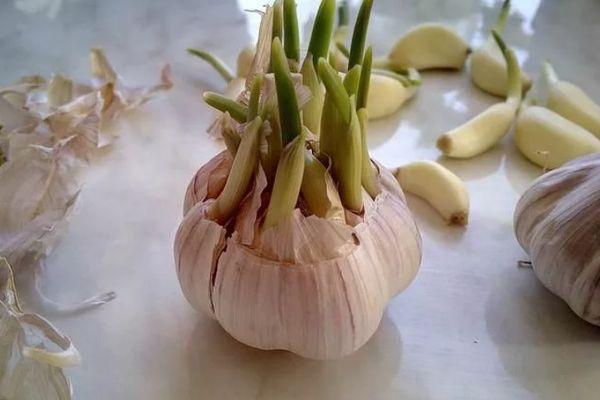
Winter garlic is planted in the fall. The optimal time is 25-30 days before the onset of cold weather. Planting is typically done in mid-October. If planted earlier, the cloves may not receive enough moisture, which will result in poor rooting and reduced survival rates.
Moreover, the vegetable may germinate before winter, meaning additional frost protection will be necessary. However, late planting risks the plant dying from freezing.
For planting, select large or medium-sized cloves. This will ensure the growth of a large garlic bulb. The planting material should have no visible damage to the skin. The cloves should be firm and light yellow in color. It is advisable to fertilize the planting material before planting. To do this, soak it for 20 minutes in a prepared solution of complex fertilizer.

Choose an open location, away from trees and shrubs. The site should not be flooded. The vegetable does not tolerate heavy soil well. Ideally, the soil should be loamy or sandy. Plant in dug and fertilized soil. To achieve this, after the fall tillage, add 5 kg of humus per 1 m². It is advisable to rotate the area allocated for garlic each time. It is not recommended to plant garlic in beds where onions or potatoes were previously grown.
The most suitable place for the vegetable will be the beds where the following were previously grown:
- cucumbers;
- cabbage;
- legumes.
The soil where garlic was grown should be replanted with greens or vegetables. Planting guidelines:
- The distance between rows should be at least 30 cm.
- The distance between the teeth is from 10 to 15 cm.
- When planting, it is recommended to deepen the cloves into the ground by 5 cm.
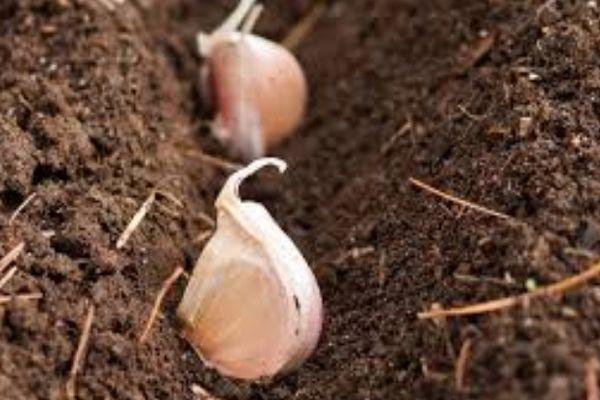
The areas between rows should be mulched. This will help retain moisture in the soil and provide oxygen to the plant's roots.
Caring for Gribovsky and harvesting
This variety is quite fussy about watering. In dry conditions, garlic should be watered once a week. Every time after watering, it is necessary to loosen the soil and remove weeds.Fertilizing plays an important role. Three fertilizing cycles are recommended in the spring:
- immediately after the snow melts;
- at the beginning of April;
- closer to the end of April.
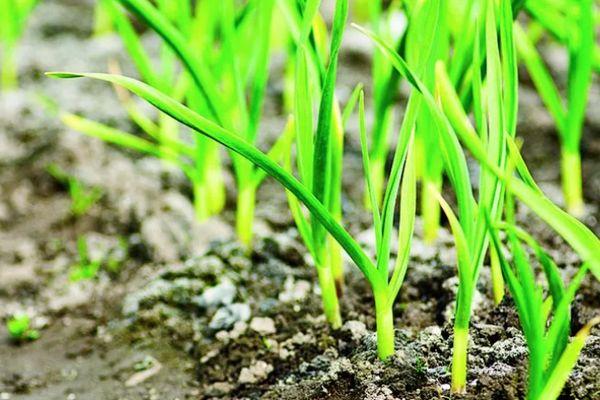
Chicken manure and nitrogen- and phosphorus-containing fertilizers will produce the best results. Chicken manure is diluted with water at a ratio of 1:10. On average, 1 liter of solution is needed per plant. It is recommended to fertilize garlic with chicken manure every 10 days.
Don't forget to remove the stems. This procedure is performed in June, after the stems have sprouted to a length of 15 cm. This procedure redirects nutrients toward the formation of a large, healthy head. Typically, a small amount of stems are left.
Stop watering and fertilizing 20 days before harvesting. The optimal time for harvesting is after the top leaves have yellowed. To prevent the garlic from rotting after being dug up, it must be thoroughly dried. To do this, place the heads in a well-ventilated area, protected from sun and precipitation. Dry the garlic for 10 days. Then, peel, sort, and store in a warm, well-ventilated place.
Related posts:
 The best varieties and types of early and winter garlic with descriptions and names
 When to dig up garlic in the Moscow region in 2025
 Description and characteristics of the Gribovsky zucchini variety, planting and care
 When can spring garlic be harvested in 2025? Harvesting from the garden and storage
 Planting and growing garlic from bulblets in open ground, care and harvesting
 How to properly grow and care for spring garlic in open ground and when to tie it into knots
 Description and rules for growing dill of the Gribovsky variety
 Description of the early-ripening Siberian tomato "Gruntovy Gribovsky" and growing instructions
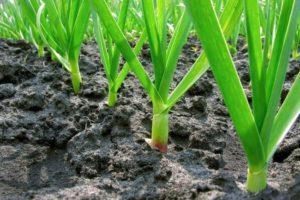
Bioactivator is good for garlic.BioGrow"It strengthens it, so there are no growth problems. I don't use any additional organic fertilizers anymore.