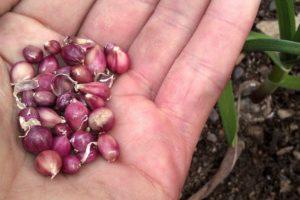
Garlic varieties Azure improves the taste of many dishes, giving them an unusual spicy flavor and aroma; it is used for preserving and added to salads.
For many gardeners and farmers, winter garlic is one of the most important crops on their plots. The stable yield of its varieties and the versatility of its use make it in demand at any time of year.
Description of the variety
When sowing vegetable crops, preference is usually given exclusively to seeds of specific varieties. When planting garlic, however, people sometimes neglect the choice of variety, planting whatever they have on hand or hastily bought at the market. This is a huge, common mistake, as most varietal plants, when planted and grown correctly, produce large heads.

When choosing garlic, it's recommended to look for bolting varieties. They are notable for their versatility and are popular in dishes, salads, and preserves.
The Lazurny variety is a bolting winter garlic, ideal for growing in garden plots and for personal plots. Its average maturation time is approximately 100-120 days, making it a mid-season variety.
The stem and leaves of the root vegetable are a typical bright light green, covered with a slight waxy coating. The leaf length reaches 55 cm, and the width is 2 cm.
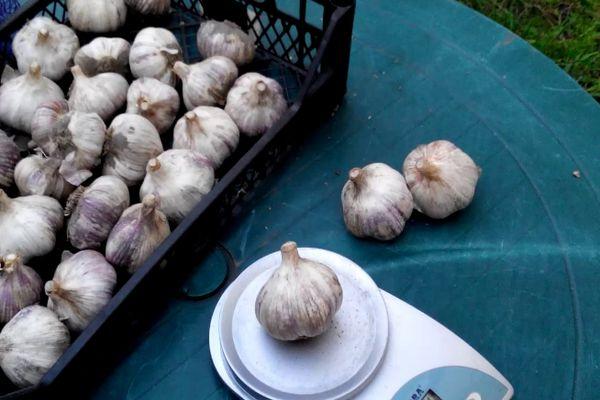
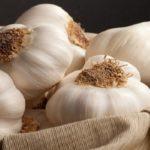
The bulb of the Azure variety is large, round, slightly flattened at the bottom, and consists of 5-6 large (in comparison with other popular varieties) cloves of simple structure, the total weight of which is approximately 58-60 g.

The dry bulb scales are predominantly light purple in color, with dark lilac vertical stripes running along the fruit. The leathery scales of the cloves are dense and brown. The garlic flesh is white and pungent. It has a distinct flavor and aroma, which, if properly stored unpeeled and in a cool, dry place, can last for up to 6 months.
Productivity
Yield plays a significant role in the quality of the Lazurny garlic variety. Yield depends on the variety, soil, watering, fertilizer, and proper agricultural practices during planting and cultivation.
Winter garlic yields can be increased by replacing existing crops with sufficient organic fertilizer. Planting in lowlands and on north-facing slopes, where moist soil prevails, is undesirable.
The average yield of the Lazurny garlic variety is approximately 700 g per square meter. In well-irrigated southern regions, the yield can be increased by 50%.
Hardiness and disease resistance
The Lazurny garlic variety can be susceptible to diseases and pests such as stem nematodes and root mites. However, experienced gardeners have found ways to combat these problems.
First, when planting garlic, it's important to disinfect and carefully select the planting material, strictly avoiding wilted, rotten, or diseased cloves. After all, these are the first to become infected, allowing pests to take hold in the garden.
If stem nematodes are found in a garden bed, it is recommended to amend the soil with peat and coarse sand. After harvesting, avoid replanting garlic or onions in the same area to prevent reinfestation.
In addition, to maintain a high yield of root crops, it is not recommended to grow garlic in the same place more than once every 3-4 years.
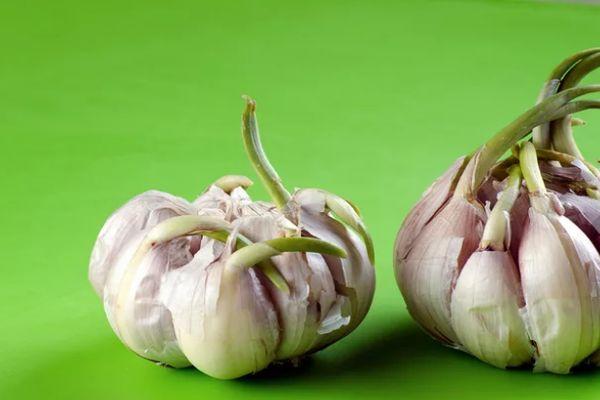
If, after harvesting, heads affected by mites are discovered, such root crops must be selected and thrown away, and the soil disinfected.
Growing and care rules
To achieve a higher yield of Lazurny garlic, it is important to properly prepare the soil before planting by digging up the area designated for this crop and treating it with copper sulfate to enrich it with nutrients.

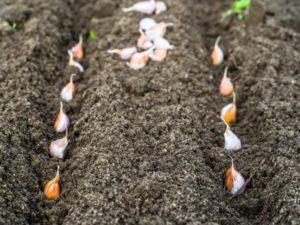
Winter garlic should be planted no later than the second half of October, when the soil has cooled to 10°C. It's a good idea to add compost and fertilizer (such as potassium sulphate or superphosphate) to the soil in September.
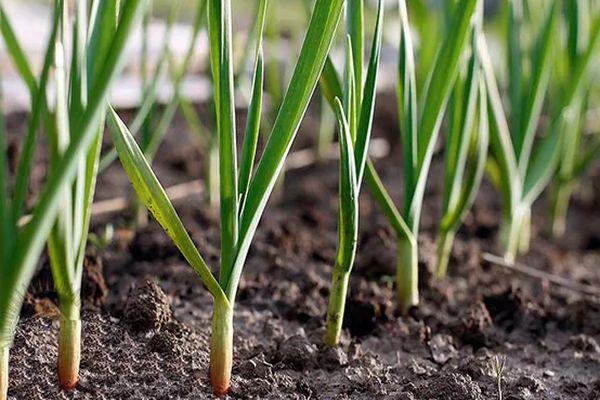
The soil should be neutral, with a pH of no more than 7. Otherwise, it should be limed. Since garlic prefers cultivated, fertile, and fertilized soil, it should be planted after cucumbers or cabbage. Never plant garlic after potatoes, onions, strawberries, or in fresh manure.
Before planting, the cloves are sorted and prepared for planting. They are soaked in potassium permanganate or copper sulfate solution and heated.
The Lazurny variety should be grown in beds no more than 20 cm high and up to 1 m wide. This will prevent the plants from becoming overwatered and will benefit from better sun exposure.
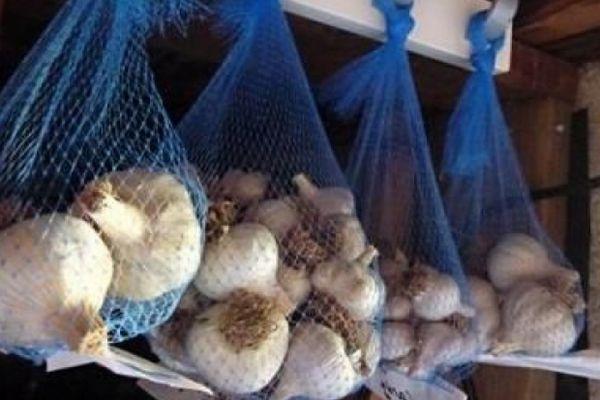
To ensure air reaches the roots and prevent water stagnation, the soil should be loosened regularly throughout the growing season. Fertilize at least twice during the growing season. One option is an infusion of chicken manure and wood ash. It is left to stand for several days, then diluted with water 1:10.
Related posts:
 The best varieties and types of early and winter garlic with descriptions and names
 How to properly grow and care for spring garlic in open ground and when to tie it into knots
 Description and cultivation of single-clove garlic, planting and care rules
 Description and yield of the Lyubasha garlic variety, planting and care
 When can spring garlic be harvested in 2025? Harvesting from the garden and storage
 When to dig up garlic in the Moscow region in 2025
 Garlic cultivation technology in open ground, planting times, and care guidelines for a good harvest
 Garlic harvesting dates in the Urals in 2025, cultivation and care
Take a look Also