
Breeders are constantly developing new varieties of melons, one of which is the Aikido F1 melon, which can ripen without intense heat.
It possesses numerous positive qualities. It is a hybrid considered a first-generation variety, as confirmed by a special label on the packaging. This variety is guaranteed to be of high quality and will produce a harvest even under less favorable conditions.
Based on reviews from experienced gardeners, it's clear that this melon performs excellently even in areas that typically don't experience intense heat. This distinguishes the hybrid from many other melon varieties, which require a hot climate to fully ripen. As for the Aikido, the hybrid can withstand quite significant temperature fluctuations. This makes it a popular choice among Russian gardeners.

Hybrid characteristics
This variety is considered one of the best for growing in Russia. Its unique feature is that this hybrid can be harvested not only in the south but also in the central part of the country. Regions with a temperate continental climate are ideal for this.
The Aikido melon has several significant positive qualities. Among them, gardeners particularly appreciate the plant's resistance to powdery mildew and fusarium, which often attack melons. This hybrid is also completely low-maintenance. The harvest is always good, and even the most discerning gourmet will appreciate the fruit's flavor.
The Aikido melon ripens quickly, so even a short summer is enough for the fruit to be fully ready for consumption. Regardless of the vagaries of nature, the hybrid produces excellent yields.

Full fruit maturity occurs approximately 70 days after sowing. This is much earlier than most other melon varieties. However, a good early harvest is only possible with proper plant care.
Take a look Also

The Aikido hybrid is recommended to be grown from seedlings. This is especially true in regions where summer weather can be quite capricious. Sowing seeds is only acceptable in areas with consistently hot summers. However, sowing seeds should only be done after the soil warms to 20°C.
For regions with low temperatures, seedling cultivation should be started immediately. The Aikido melon is then transplanted under plastic cover. This hybrid is well suited for any type of greenhouse, without sacrificing yield. Experts recommend finding a permanent location for the seedlings once the bushes have fully established themselves. This usually takes one month after sowing the seeds.

The best option is to use peat pots, as the delicate plants won't need to be removed from them. The pots will dissolve in the soil and act as additional fertilizer. Therefore, the root system will definitely not be damaged during repotting.
In general, melon of any variety is a fairly complex crop that can be finicky. To prevent the development of many diseases, it is recommended to harden off both seeds and seedlings. Hardening off involves a short-term drop in temperature over the course of several days.
This will allow the plant to better withstand the vagaries of weather in the future and grow normally without diseases or other problems. Experienced gardeners say that even short-term hardening can significantly improve seed germination, so don't ignore this simple process.

Many melon varieties have poor germination rates. To check the quality of the seeds, it is recommended to soak them in warm water. If some seeds float to the surface even after 12 hours, this indicates they are unsuitable for growing. Such seeds should be discarded immediately, as they will not produce seedlings. After soaking, cool the seeds to 1°C.
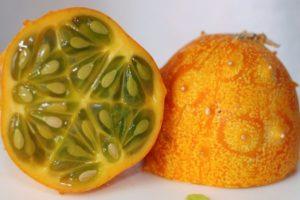
Until the first sprouts appear, the seeds in the soil should be watered daily. Additionally, cover the pots with plastic wrap to ensure a normal temperature.

When planting in the ground, it's important to maintain the correct temperature. The soil should be warmed to 20°C, and there shouldn't be any frosts in the coming months. Aikido melons should be planted only in sunny areas. To achieve this, create rows and plant the seeds 15 cm apart. Leave 3 meters between rows. This will ensure the melons have a comfortable growth environment and the fruit will receive plenty of sunlight.
Care Features
The Aikido melon doesn't require any special care. However, to ensure a sufficient harvest of delicious fruit, certain rules must be followed. This primarily concerns trimming unnecessary leaves. If the plant grows too many leaves, it won't be able to produce large fruits and impart sweetness. Furthermore, too many leaves can lead to plant diseases.

Pinching the tops is recommended. This procedure is carried out after the plant produces a couple of mature fruits. If the bush is allowed to grow further, the melons will become small and tasteless. Otherwise, caring for the plant consists of timely watering and harvesting. The Aikido melon is characterized by rapid ripening of fruits, so the ripening of the crop must be monitored carefully. As soon as the fruits change color from greenish to yellow, they must be removed from the area.
Regarding watering, excessive moisture will be detrimental to the plants. Therefore, even in extreme heat, melons should be watered no more than twice a week. The Aikido variety tolerates drought well, so there's no need to worry about the harvest being damaged by a lack of moisture.


Description of fruits
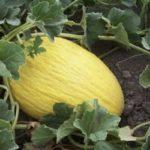
With proper care, you can grow delicious melons that can weigh over 2 kg. Aikido melons are typically heavy. The fruit is spherical in shape. The rind is completely yellow and very firm when ripe.
The fruit has excellent flavor and a magnificent aroma. The pulp contains up to 13% sugar.
Related posts:
 How to grow melons outdoors, planting dates, watering, and care
 Golden recipes for preparing pickled melon for the winter and storing the prepared products
 Growing Kolkhoznitsa melon in open ground: benefits and how to choose
 Rules for growing and caring for melons in Siberia in open ground
 Why melons aren't setting fruit and what to do about it. Methods for hand pollination.
 How to treat melons against pests and diseases, and can infected fruits be eaten?
 Why are my melon leaves turning yellow in open ground? How to treat and what to do.
 Description and cultivation technology of the Ethiopian melon variety
Growing this melon variety isn't easy, but it's worth the effort. The key is knowing certain techniques and using the right fertilizers. For example, I was recommended a plant growth bioactivator. BioGrow, but I don’t know if it will work.