To ensure a superb harvest from a planted crop, it's recommended not only to choose a location and care for it, but also to provide it with the right neighbors and consider its predecessors. It's the plants that grew in the same spot last year that contribute to the crop's vulnerability to certain diseases and pests. What should be planted after beans the following year, and what crops are they compatible with? This is important to know to achieve the desired results.
The principle of bean crop rotation
Almost all garden plants have specific requirements regarding soil structure and fertility. Roots are located in various horizontal soil layers. The depth of the roots depends on the type of root system: taproots obtain their nutrients from a depth of half a meter, while fibrous roots reach up to 20 cm.
Why a change is necessary:
- Representatives of the same species take the same necessary beneficial components from the soil.
- An accumulation of pathogenic environment occurs: after plants affected by a certain type of disease, crops resistant to it are planted.
- The larvae located on the root system, having overwintered, provoke the spread of pests.
- Soil depletion is occurring in a unilateral manner. It's important to know which elements are being removed from the soil.
To achieve the desired result, principles of crop rotation have been developed, without knowledge of which it is difficult to obtain a high-quality harvest.
Crop rotation rules involve preparing the soil for better growth of subsequent plants.
Legumes enrich the soil with nitrogen: microbubbles containing this component form on their roots during the growing season. After the plant remains decompose, this beneficial substance is released into the soil. The soil becomes loose and nutritious, which is suitable for all crops. Nitrogen is responsible for the plant's green mass and subsequent fruiting.
The only limitation to planting another crop after beans is the presence of similar diseases or pests, and another reason. The roots of this legume, like other crops, release microtoxins into the soil to mark and protect their location. When repeatedly planted in the same spot after the same plant, excessive amounts of these toxins accumulate in the soil. The toxins begin to suppress the same crop.
Take a look Also
The cultivated plant is returned to its previous growing location after 4 years, although there are some exceptions (potatoes, strawberries, tomatoes).
Compatible plants
There's a well-studied principle of compatibility that's tied to the fundamentals of each crop's agricultural practices. To ensure proper rotation, it's important to understand the basics of soil preparation and crop care.
Beans enrich the soil with nitrogen, maintaining a loose structure in the beds without the need for digging. The versatility of this legume lies in the fact that the soil it produces is suitable for virtually all crops, requiring minimal fertilizer application and ensuring the proper balance of bacteria.
Important! The only restriction is the requirement to plant beans in a different location the following year. This prevents the plant from becoming rotted.
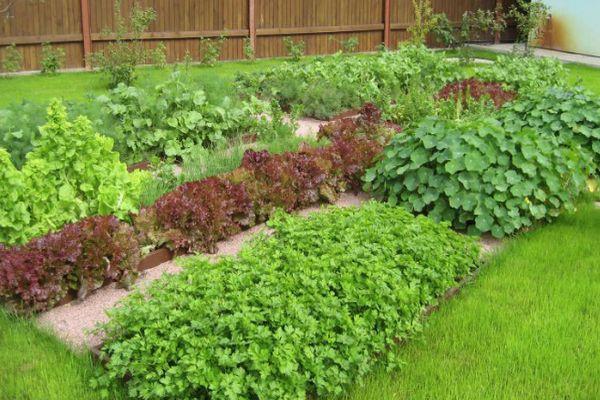
Any crop can be planted after beans. Melons, root vegetables, nightshades, bulbous plants, and cabbage are all expected to yield a harvest.
Tomatoes thrive in loose, nitrogen-rich soil. Cabbage heads form faster, and taste better. Flowers (gladioli, tulips) vary in size.
Important to note! It is not recommended to fertilize the soil with organic matter after beans, as the soil is fertilized naturally. Nitrogen added to the soil naturally is easily absorbed. The legumes naturally enrich the soil—this is the principle of organic farming.
Can garlic be planted? According to the principle of compatibility, it produces an excellent harvest. Legumes, as well as cucumbers, tomatoes, and cabbage, are considered the best predecessors for garlic.
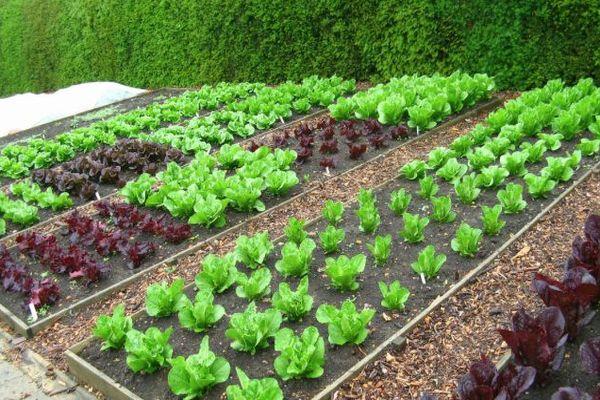
However, planting this legume next to onions and garlic is not recommended; it is especially susceptible to shallots. Peas also don't do well next to beans.
Incompatible plants
After planting legumes, the soil is enriched with nitrogen and then allowed to rest. Beans themselves are not recommended as a precursor crop. This is due to the increased susceptibility to disease and the accumulation of pathogenic bacteria in the soil.

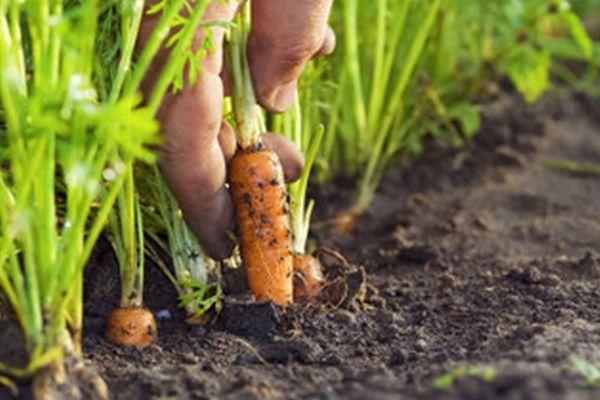
It is also not recommended to plant carrots and cucumbers after beans (it is allowed after other types of legumes) - these plants are more likely to be affected by white rot.
What to plant next to it
Compatible plants planted next to each other promote a good harvest; they do not suppress each other, and the substances they secrete protect against pests:
- Corn. Legumes thrive alongside it, and it provides them with support.
- Cucumbers. Beans planted next to cucumbers will yield the expected harvest, but it's important to pay attention to soil moisture. They repel meadow moths.
- Cabbage. Planting bush beans near cabbage is recommended. They enrich the soil and repel cabbage whiteflies. The flavor of the cabbage heads is significantly improved.
- Potatoes and eggplants. These legumes are also recommended for planting between rows; they repel the Colorado potato beetle and provide nitrogen to the soil.
- Radishes. Planting radishes between rows of legumes also deters flea beetles, and the fruit will be large and tasty.
- A well-known planting method: beans (saturate the soil), corn (provides support for the stems, protects the pumpkin from overheating), and pumpkin (prevents weed growth, while the foliage retains moisture in the soil). Root nutrition comes from different layers.
- Basil. This herb prevents bean weevil infestations.
- Mustard and spinach. Legumes enrich the soil with nitrogen, essential for green plants.
- Strawberries. Bush beans and strawberries grow well together.
- The biologically active substances released by tomatoes promote the growth of legumes, including beans.
- Sugar beetThis type of legume repels the meadow moth.
The proximity of parsley has a negative effect on beans.
Knowing the basic rules of crop rotation and plant compatibility will allow you to achieve the desired result with proper care.
Related posts:
 Description of the 90 best varieties of beans for open ground with names
 How and where beans grow, planting and care rules in open ground
 Planting seedlings and seeds, growing and caring for asparagus beans in open ground
 What is a bean—a vegetable or not, what does the plant look like, description, and family
 Planting and growing beans at home on a windowsill step by step for beginners, and controlling diseases and pests
 Health benefits and harms of white beans, varieties and cultivation
 Description and properties of the 50 best varieties of asparagus beans, benefits and harms
 The health benefits of beans for women and men, harm and contraindications