
- Bush cherry: all the advantages and disadvantages
- Characteristics of the variety
- Crown structure
- Size of mature tree and annual growth
- All about flowering and fruiting
- What conditions does culture require?
- Recommendations for growing and care
- Landing
- Deadlines
- Technology
- Neighborhood with other cultures
- Care
- Regularity of watering
- What to feed for growth and fruiting
- What diseases are you susceptible to?
- Insect protection
- Caring for the tree trunk circle
- Crown formation
- Do I need to cover it for the winter?
- The most popular varieties with descriptions
- Maksimovskaya
- Ruby
- Novoseletskaya
- Kurchatov
- Shadrinskaya
- University
- Subbotinskaya
- Zhukovskaya
- Generous
- Steppe
- Altai
Shrub cherry is a popular crop with many advantages. It produces a good and consistent harvest and is highly resistant to diseases and pests. To achieve good results growing this crop, it's essential to strictly follow planting guidelines and provide high-quality, comprehensive care.
Bush cherry: all the advantages and disadvantages
This unusual cherry variety has its own distinct advantages and disadvantages. Key benefits include the following:
- high yield parameters – one tree can produce up to 12 kilograms of fruit;
- resistance to frost and dry weather;
- constant fruiting;
- long lifespan of the culture – it reaches almost 35 years;
- large berries - they are the same size;
- disease resistance;
- the possibility of using different reproduction methods;
- good taste of fruits.
The berries contain a large number of beneficial elements. They have a beneficial effect on the digestive system and normalize the hematopoietic system. Ripe fruits are widely used in cooking, making compotes, jams, and juices.
However, shrub cherry also has some disadvantages:
- fruiting begins only 2-4 years after planting;
- soft berries - they often suffer from precipitation or are damaged during transportation.
Characteristics of the variety
Before planting this cherry tree in your garden, it is worth familiarizing yourself with its key characteristics.
Crown structure
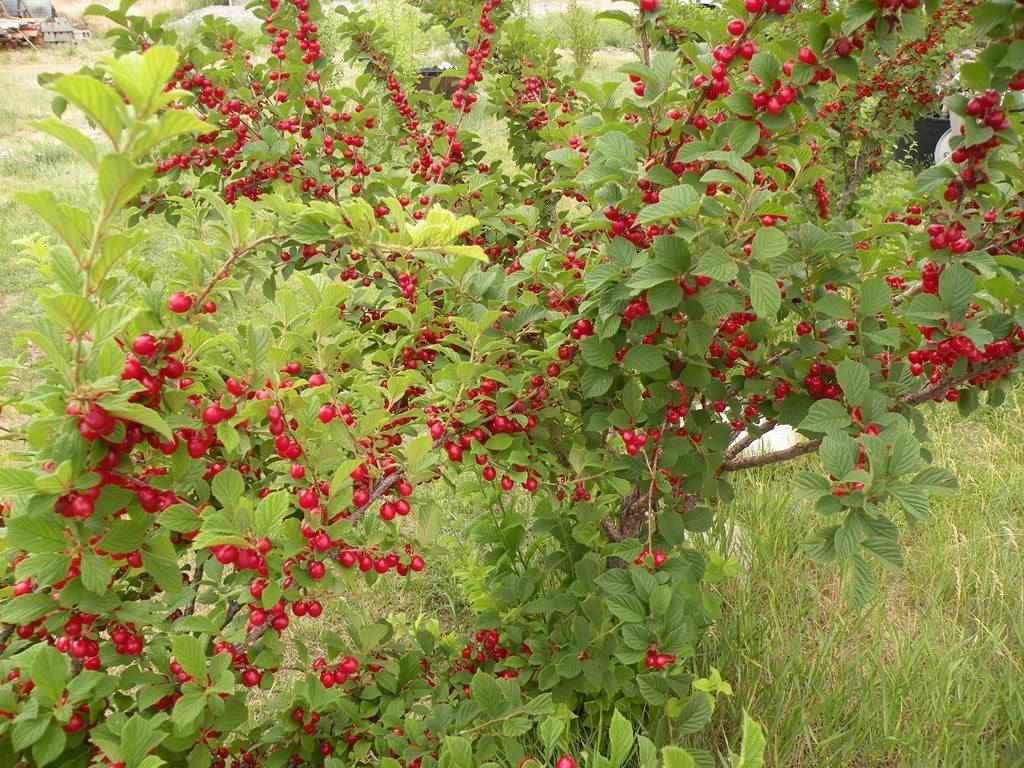
The cherry tree is considered a low-growing shrub. It is primarily propagated by basal shoots. Cuttings are used less frequently. The upper part is covered with lanceolate leaves that die off as the shoot grows. Mature branches are covered in dark bark. They have an upright, branched structure.
The leaves are oblong, reaching 8-16 millimeters in length. Depending on age, they are lanceolate or oval.
Size of mature tree and annual growth
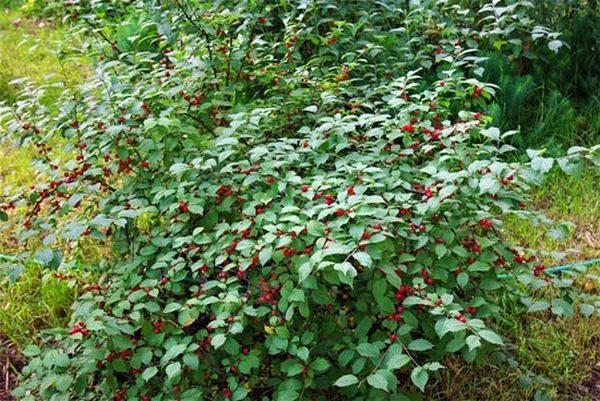
A mature bush can vary in size, ranging from 0.5 to 1.5 meters in height. This plant grows quite slowly, with annual growth not exceeding 10-15 centimeters.
All about flowering and fruiting
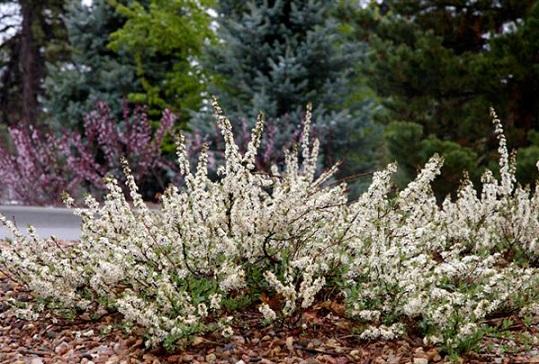
Flowering is of medium duration. This process is spread out over time. Cherry trees typically bloom after May 20th. The flowers are characterized by the following characteristics:
- oval shape of petals;
- small sizes;
- location on a short peduncle;
- 5-6 flowers in an inflorescence;
- oval-saucer-shaped corolla;
- expanded bell-shaped cup;
- the arrangement of the stamens above the stigma of the pistil.
Shrub cherries are characterized by a stable yield. The fruits ripen relatively late, reaching full maturity in early August. This occurs at a uniform time. In high humidity conditions, the berries crack.
The harvest begins 4-5 years after planting. A single tree can produce fruit for 35 years. Each bush yields 8-11 kilograms of berries.
Take a look Also
What conditions does culture require?
To grow a fruit tree and reap a full harvest, it's important to choose a planting site wisely. Bush cherries require the following conditions:
- good lighting;
- absence of drafts – they destroy the crown and lead to the spread of infections;
- deep groundwater table – this helps prevent flooding of roots and the development of fungal diseases;
- A slight elevation helps prevent flooding and moisture accumulation during the rainy season.
Recommendations for growing and care
To ensure the plant's full development, it is necessary to strictly follow the rules for its cultivation.
Landing
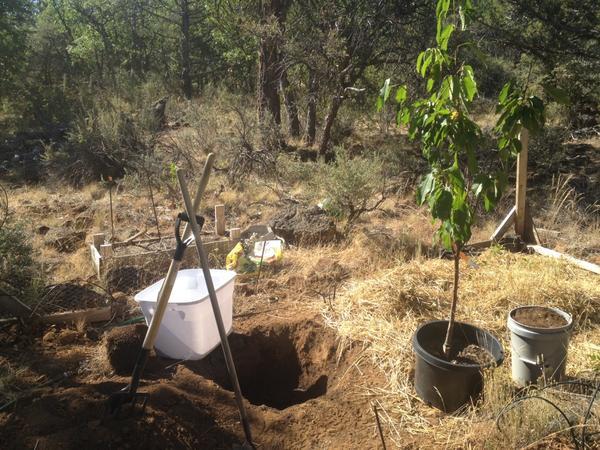
First of all, it's important to plant the crop correctly. To achieve this, it's recommended to choose the right timing and strictly adhere to the planting technique.
Deadlines
The best time to plant shrub cherries is early April, after the snow melts. First, dig the soil to a depth of 20 centimeters. Then, add manure, compost, and phosphorus- or potassium-based fertilizers.
Technology
Two weeks before planting, dig holes to accommodate the roots. Also, ensure a 10-centimeter-thick drainage layer is provided.
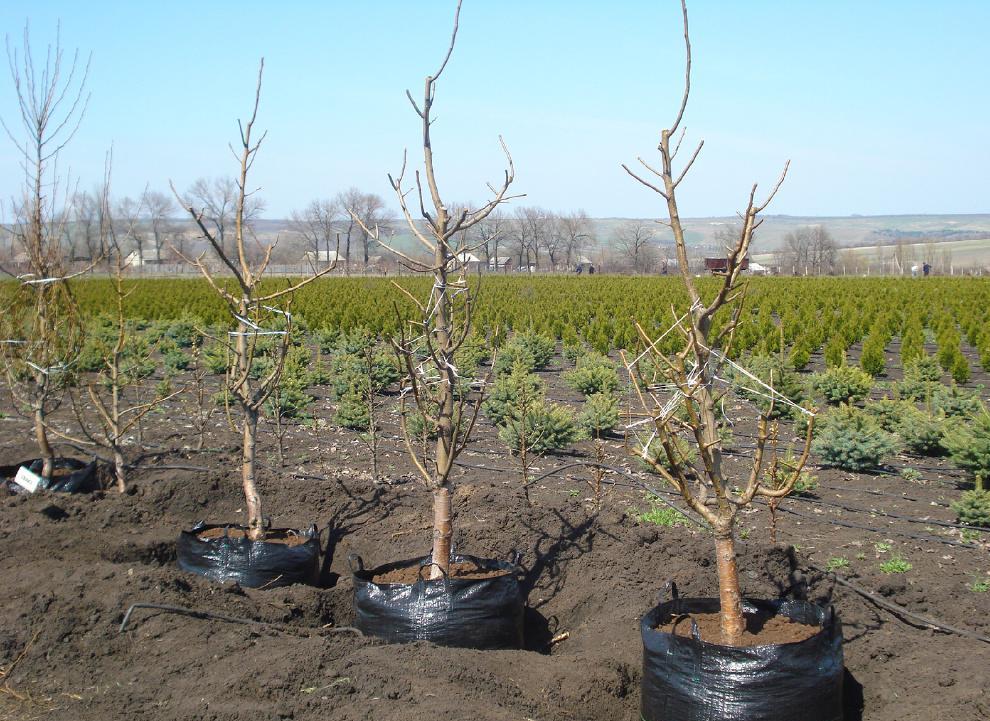
The distance between plants should be at least 1.5 meters. Add peat and sand to the bottom. After planting, water the seedlings thoroughly and sprinkle with ash.
Neighborhood with other cultures
Cherries can be planted next to plums and cherries. However, placing them near raspberries, gooseberries, or currants is not recommended. Also, placing them next to red rowan is considered undesirable.
Care
To ensure the full development of the culture, it is necessary to properly care for it.
Regularity of watering
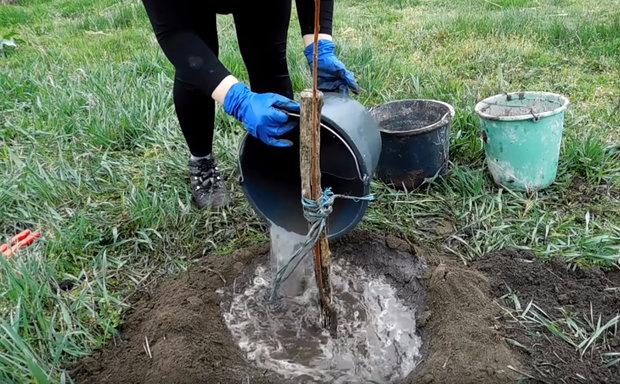
During active growth, the plant requires ample watering. It is recommended to water it 2-3 times. Each bush requires 3-5 buckets of water. The first watering should be done immediately after flowering. Fertilizing is also recommended at this time. The second watering should be done immediately after fruiting, and then again during the ripening period.
What to feed for growth and fruiting
To ensure normal cherry tree development, fertilization is recommended. This should be done several times during the season. The bush variety requires superphosphate fertilizer, which is recommended for use in the fall. Wood ash and other mineral supplements are also recommended to ensure the plant's full development.
What diseases are you susceptible to?
Bush cherries are often susceptible to fungal infections, which can cause 80% yield losses and ultimately lead to the death of the bush.
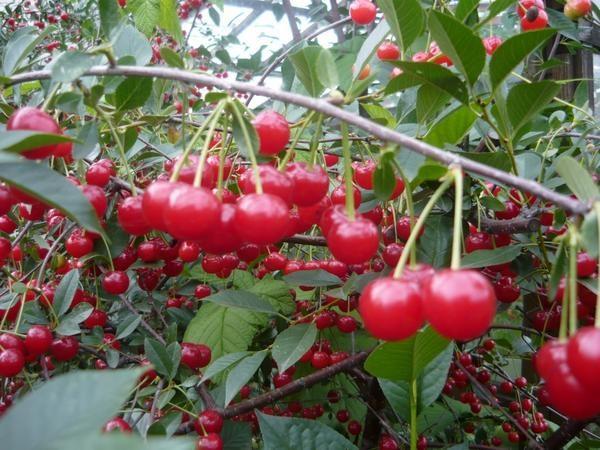
Moniliosis is a common disease affecting this crop. This fungal infection causes the bush to wilt. In severe cases, the bush may die. The disease is accompanied by the appearance of a gray coating on the berries, cracking of the bark, and gum leakage.
To deal with the violation, the following measures must be taken:
- remove infected fragments;
- collect fallen fruits;
- perform seasonal whitewashing;
- spray with a 1% solution of copper sulfate.
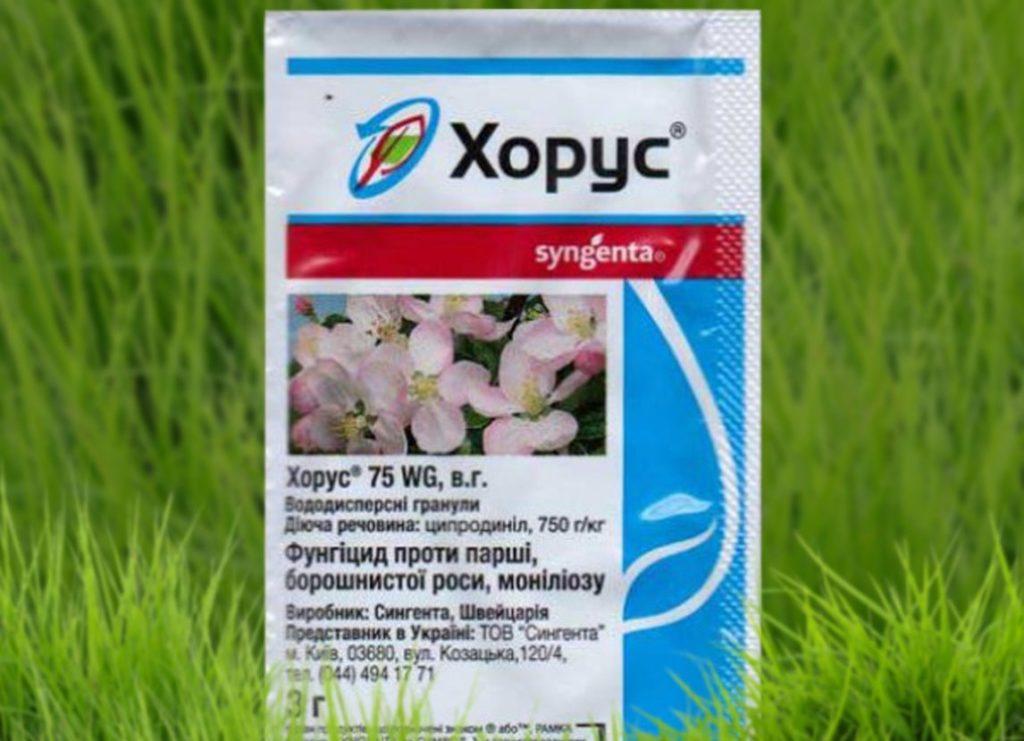
In the summer heat, cherry trees can be susceptible to mold. Mold spores attack the leaves, causing red spots. Horus helps combat this disease. Use 2 grams of the product per bucket of water. Spray the cherry trees several times, first immediately after flowering, and then at 10-day intervals.
Insect protection
Cherry trees often suffer from attacks by fruit mites, which feed on the sap of their leaves. To combat this problem, use Malathion. To apply, mix 2 grams of the product with 10 liters of water.
Aphids are another common pest. When aphids infest the plant, the leaves curl and become covered with a white coating.
To control aphids, clean the tree by hand and spray it with a soap solution. To do this, mix 300 grams of crushed aphids per bucket of water. Spray the bush twice a day for one week.

Caring for the tree trunk circle
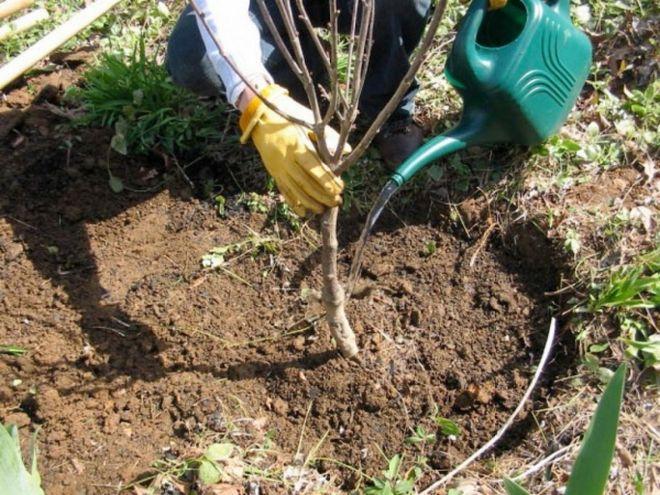
Twice a month, weed the soil around the plant. This should be done carefully, as the cherry tree's roots are close to the soil surface. It's also important to remove dead branches and leaves from around the shrub, as these are a breeding ground for pest larvae.
Crown formation
In spring and fall, it's a good idea to remove dead and diseased branches. To rejuvenate the shrub and shape the crown, it's recommended to shorten shoots.
A low-stemmed or bushy crown is well suited for the Russian climate. To encourage new shoots to appear at the base of the bush, it's worth trimming the top of the plant.
At the bottom, branches should be spaced 3-8 centimeters apart. Remaining shoots should be pruned. To form a spreading crown with multiple trunks, it is recommended to leave at least five branches. Then, thin out the inner shoots to avoid the bush becoming too dense.
Do I need to cover it for the winter?
Cherries tolerate frost well, but additional protection from the cold will help increase yields next year. Preparing the plant for winter involves the following:
- At the end of summer, the cherry tree should be fed with humus;
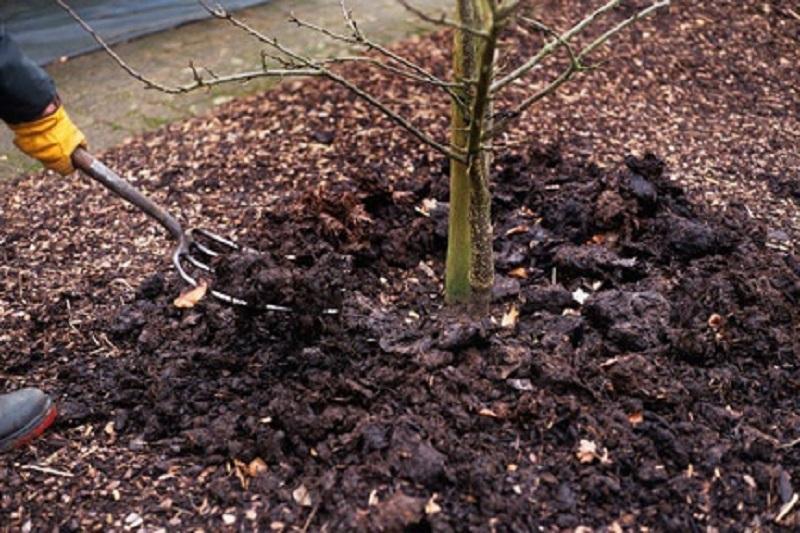
- in the fall, after using fertilizers, mulch the soil around the trunk well;
- cover the soil with straw and spruce branches;
- the young tree can be additionally wrapped in cloth;
- If there is a small amount of snow, it is worth pouring it around the plant and placing spruce branches on top.
The most popular varieties with descriptions
Today, many popular varieties of shrub cherry are known, each of which has its own specific characteristics.
Maksimovskaya
This plant grows as a multi-stemmed shrub, reaching 1.5-1.8 meters in height. It features a pyramidal crown of medium density. The leaves are light green and elongated.
The flowering period is considered average. The plant produces large red fruits that ripen in mid-July.
The berries have a characteristic sweet and sour flavor. The crop is resistant to drought and frost. The plant can be propagated by cuttings.
Ruby
The plant grows to 2.5 meters and has a spreading crown. It is characterized by a short trunk and strong branches. Flowers are collected in inflorescences, three to four in each. The fruits are medium to large, averaging 3.5 grams. The flesh is yellowish and has a sweet and sour taste. Yields reach 7.8 kilograms.
Novoseletskaya
This is a low-growing plant, reaching a height of no more than 115 centimeters. It is characterized by a rounded, spreading crown and small leaves. The bush produces dark red fruits. They are small, weighing no more than 2 grams. The flesh is delicate and has a pleasant flavor. The harvest can begin in mid-July.
Kurchatov
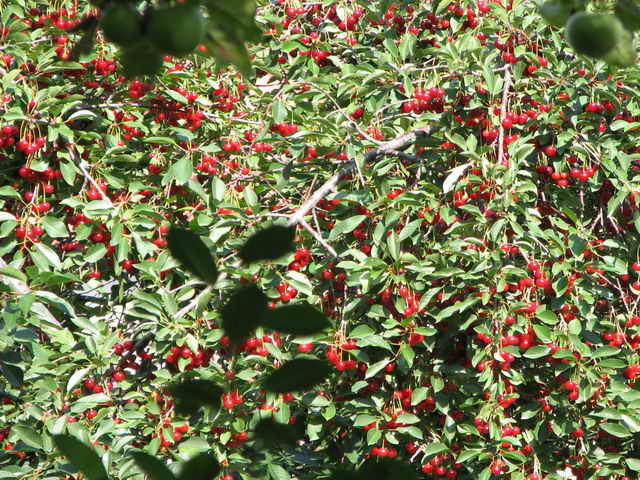
This variety reaches 1.5 meters and is distinguished by its inverted pyramidal crown and abundant leaves. The white flowers are 3 centimeters in diameter. The cherry tree produces large, round fruits, each weighing up to 4 grams. The cherry has a sweet and sour flavor. Flowering begins in late May, and the berries ripen in mid-July.
Shadrinskaya
This medium-sized plant grows up to 1.9 meters tall. It is characterized by a spherical shape and dark leaves. The plant produces approximately 4.5 kilograms of fruit, which are a rich red color and have an excellent flavor. Its advantages include its tolerance to drought.
Take a look Also
University
This bush grows up to 1.5 meters. Its crown is oval and covered with elongated leaves. This variety produces small berries, weighing no more than 1.5 grams. The berries can be eaten fresh, but cooking them can improve their flavor. The harvest ripens in mid-July.
Subbotinskaya
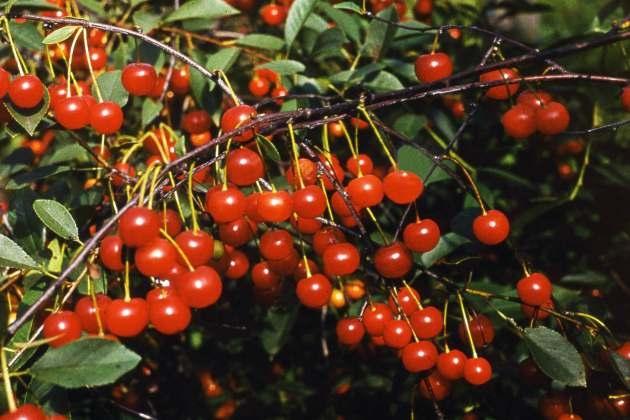
This is a medium-sized bush that can reach 2.5 meters. The plant is characterized by a spherical crown that is very dense. The cherry tree produces scarlet berries. They have a sweet and sour taste and weigh up to 4.2 grams. Inside, there is juicy red flesh. The harvest ripens in late July. A single bush can yield up to 9 kilograms of berries.
Zhukovskaya
This crop is recommended for cultivation in southern regions. It produces large fruits, reaching 7 grams in weight. They are distinguished by their dark red hue. The maximum yield is 20 kilograms per bush. This variety is characterized by excellent resistance to fungal infections.
Generous
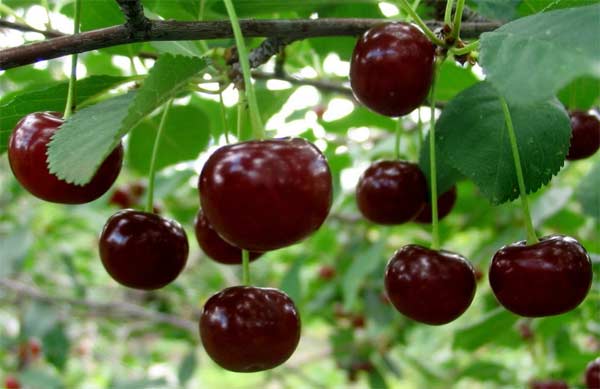
The bush grows up to 2.3 meters. It is characterized by a wide, spreading crown and upward-pointing shoots. The leaves are elongated. The berries are medium-sized, weighing 3-4 grams. The fruits are characterized by a bright red hue and are resistant to cracking.
The fruits have a sweet taste. The plant is considered self-fertile.
Moreover, the harvest ripens quite late—in the second half of August. Fruiting begins in the third or fourth year. The variety is characterized by high yields.
Steppe
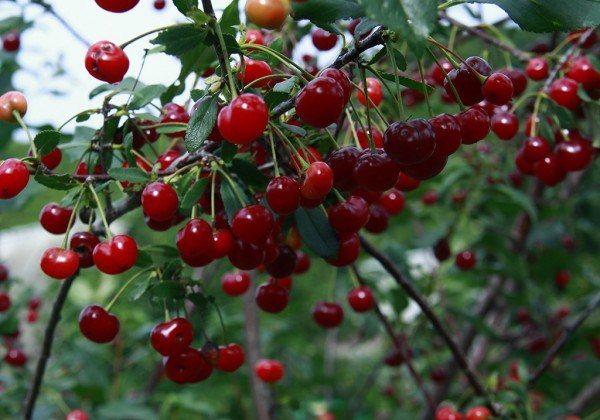
This wild cherry is a low-growing shrub. The plant reaches 2 meters in height. It is characterized by a stable yield and produces large fruits. However, the berries are tart. It is recommended to propagate the bush by root suckers, which appear in large numbers. Cultivated seedlings significantly change their characteristics. They grow better and produce larger berries. It is the wild steppe cherry that has become the basis for the selection of many modern varieties.
Altai
This is a fairly popular tree, growing up to 1.5 meters tall. It has a lush crown that requires regular pruning. In summer, the tree produces large, juicy fruits that taste more like cherries.
The variety's advantage is its excellent frost resistance. The plant's berries ripen mid-season.
This occurs in the second half of July. The variety is self-sterile and therefore requires pollinators. The fruits do not store for long. Bush cherry is a popular plant with many advantages. To successfully grow this crop, it is necessary to choose the right variety and provide the plant with proper care.
Related posts:
 Description of the 20 best frost-resistant cherry varieties, planting and care
 The best grape varieties for growing in the Urals, planting and care rules in summer
 Description and cultivation of the best varieties of felt cherry, planting and care
 Methods for planting and propagating cherries at home
 The best eggplant varieties for growing in a polycarbonate greenhouse: planting and care
 Description of the 25 best cherry varieties for the Urals and Siberia, planting and care in open ground
 Growing and caring for hazelnuts in open ground, rules for planting hazelnuts
 Description and propagation of the Bessey cherry variety, planting and care rules
Cherry trees are generally unpretentious and require no special care. In the village, I simply dig the soil and occasionally add humus; I don't do any other care. I harvest the fruit by the bucketful. It's the most trouble-free shrub.