
- General description and characteristics of the product
- Composition and how it works
- His purpose
- Pros and cons
- What is the compatibility of the product with other medications?
- Performance indicators
- Methods of solution preparation
- Important rules and timeframes for processing
- What precautions are there?
- Similar means
- Gardeners' reviews
The fungicide "Abiga-Peak" is used according to the instructions to protect gardens and vegetable plots from the most dangerous diseases that cause fruit rot. This product is an excellent fertilizer, enriching the soil with copper. However, it is recommended to use it in the prescribed doses. The fungicide is used no more than 3-4 times per season. After each application, take a 3-4 week break.
General description and characteristics of the product
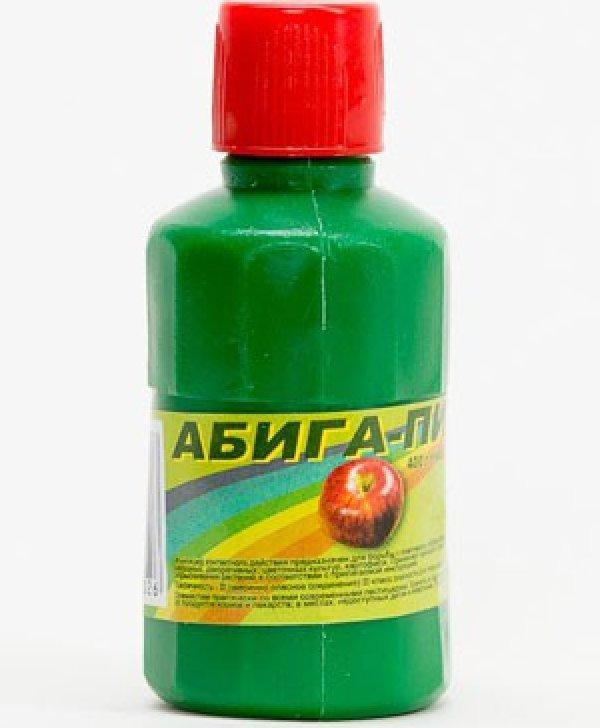
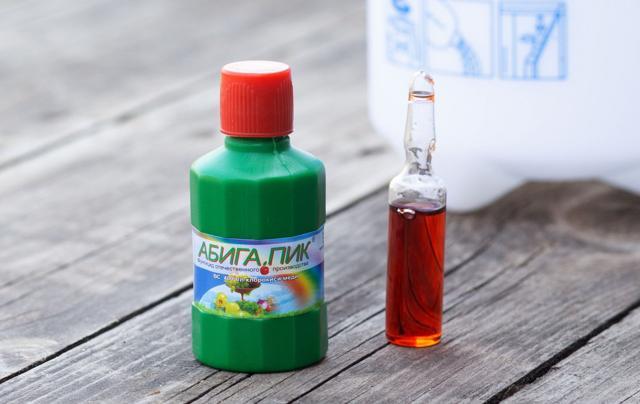
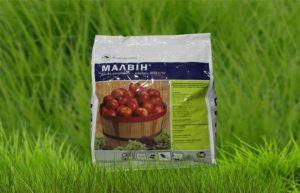
Abiga-Peak is an easy-to-use fungicide that protects gardens and vegetable patches from various fungal and bacterial diseases. This chemical is available as a suspension, which is diluted with water before use at the prescribed dosage. The product is packaged in plastic bottles and canisters with capacities ranging from 50 ml to 5-10 liters. It is available at a relatively low price.
Composition and how it works
Abiga-Peak is a chemical product based on copper oxychloride (chloroxide). This active ingredient has fungicidal and bactericidal properties. It only affects pathogens through direct contact. Copper particles remain on the plant surface after the solution dries and are activated in a moist environment.
The active ingredient inhibits conidial germination and sporulation. Copper oxychloride has a toxic effect on harmful microorganisms at the cellular level (denaturing proteins and destroying enzymes).
The active ingredient does not penetrate plants and cannot kill any fungi that may have settled there. Copper oxychloride acts only on the surface and is only effective in the initial stages of infection.
Plants treated with the product are protected for 10-12 days. The duration of protection generally depends on weather conditions. The product is resistant to temperature fluctuations, but is washed away by rain and destroyed by alkalis (not recommended for use with soaps).
His purpose
Abiga-Peak is primarily used to prevent and treat fungal diseases of garden and vegetable crops. It is effective in the early stages of infection. This fungicide combats late blight, early blight, leaf spot, cercospora leaf spot, downy mildew, anthracnose, powdery mildew, downy mildew, scab, moniliosis, and other diseases.
Abiga-Peak is a copper-containing product that also functions as a fertilizer. This product prevents chlorosis, stimulates plant growth and full development, and prevents wilting and leaf drop. However, it's important to always follow the instructions and apply the product at the specified concentration. Excess copper can be harmful to gardens and vegetable plots. It's best used on sandy, peaty, and sod-podzolic soils. These soils are deficient in copper, and the copper-containing fungicide compensates for this deficiency.
Pros and cons
What is the compatibility of the product with other medications?
Abiga-Peak can be used in combination with other fungicides. The suspension does not inhibit the activity of biological plant protection products. To reduce the risk of crop damage, it is recommended to use Abiga-Peak in combination with dithiocarbamate products (Mancozeb, Thiram).
When diluting the fungicide, it's recommended to pay attention to the acidity of the water. A solution prepared with Abiga-Peak becomes more phytotoxic if used in a highly acidic solution.
Performance indicators
Abiga-Peak protects against most fungi that cause crop diseases. However, the product acts locally. The larger the plant surface covered with the solution, the better the protection. Untreated parts of garden and vegetable crops are vulnerable to fungi. The product increases yields by 30 percent and reduces plant disease incidence by 50 percent.
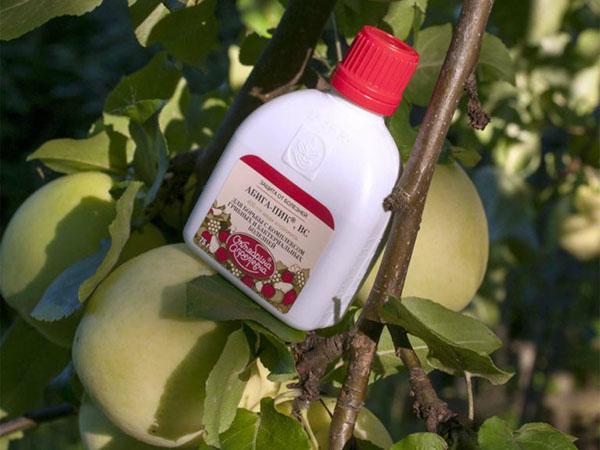
This fungicide is effective against diseases of tomatoes, grapes, and apple trees. The copper contained in the solution (at the recommended concentration) does not accumulate in the soil and penetrates berries, fruits, and vegetables in minimal amounts.
Methods of solution preparation
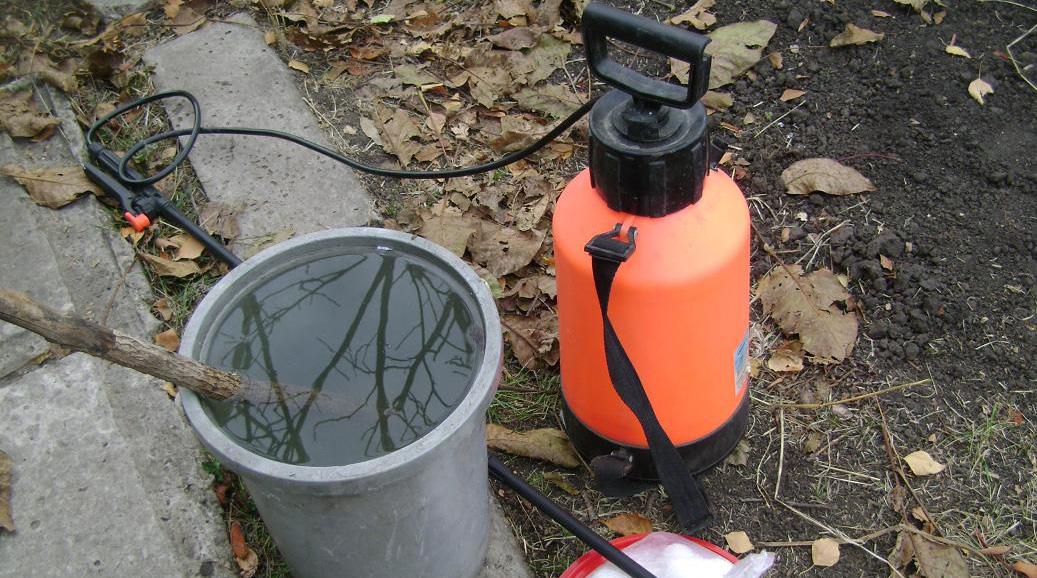
Abiga-Peak is a suspension that must be diluted with water before use at the recommended doses. The solution is prepared in a plastic (not metal) container immediately before spraying. The first treatment is usually carried out in late spring, at the very beginning of the plant's growing season.
The amount of solution depends on the area being treated. For one hundred square meters (100 square meters), 10 liters of water is sufficient. Typically, no more than fifty grams of Abiga-Peak is dissolved in this amount of liquid. A regular sprayer with a fine atomizer is used to irrigate the vegetable garden.
First, prepare a stock solution by dissolving the entire dose of fungicide in 1 liter of water. Then add the amount of liquid specified in the instructions. The treatment is carried out in dry (but not rainy), windless, and clear weather. Ideally, it should be applied in the evening.
Important rules and timeframes for processing
Abiga-Peak consumption table:
| Cultures | Diseases | Consumption rate of fungicidal agent | Processing rules | Number of sprayings per season (interval) |
| Potato | Alternaria, late blight | 25 grams per 5 liters of water | The first time is applied at the beginning of the growing season (before flowering) | 5 times (20 days) |
| Tomatoes | Late blight, brown spot, alternaria | 25 grams per 5 liters of water | Can be processed before flowering, after and during fruit ripening. | 4 times (20 days) |
| Cucumbers | Downy mildew, bacteriosis, anthracnose | 25 grams per 5 liters of water | During the growing season (when signs of disease appear) | 3 times (20 days) |
| Onion | Peronosporosis | 25 g per 5 liters of water | During the growing season (when lesions appear) | 3 times (20 days) |
| Beet | Cercospora leaf spot | 25 grams per 5 liters of water | During the growing season | 3 times (20 days) |
| Grape | Oidium, mildew | 20 g per 5 liters of water | During the growing season, when signs of disease appear | 6 times (30 days) |
| Strawberry | Phytophthora rot, powdery mildew | 20 g per 5 liters of water | Before and after flowering, during the ripening period of berries (the last spraying is 15 days before harvesting) | 3 times (20 days) |
| Flowers | Spots, rust | 20 g per 5 liters of water | During the growing season | 2 times (20 days) |
| Coniferous trees | Alternaria, shute, rust |
20 g per 5 liters of water | During the growing season (when signs of damage appear) | 3 times (20 days) |
| Fruit trees (apple, cherry, pear, plum) | Moniliosis, scab, clusterosporiasis, curliness, coccomycosis | 20-25 g per 5 liters of water | From spring to autumn (last treatment 18-20 days before harvest) | 4 times (20 days) |

What precautions are there?
Before use, copper-containing fungicides must be diluted with water at the recommended doses specified in the instructions. It is recommended to spray plants in dry weather. Frequent rainfall reduces its effectiveness. The fungicide is easily washed away with water, but this does not mean it can be used too frequently. Wait at least three weeks before reapplying. Otherwise, excess copper can cause burns and spider veins on the fruit.
When handling this fungicide, it is recommended to wear a protective suit, mask, and gloves. Do not inhale the solution's vapors or ingest it. If the suspension is ingested, drink two glasses of water, induce vomiting, and take several activated charcoal tablets.
Spraying your garden or vegetable patch during the bee's active flight period is prohibited. It's best to spray in the evening. This solution will be completely safe for bees in just 10 hours. Any remaining solution can be used for repeat treatments.
Similar means
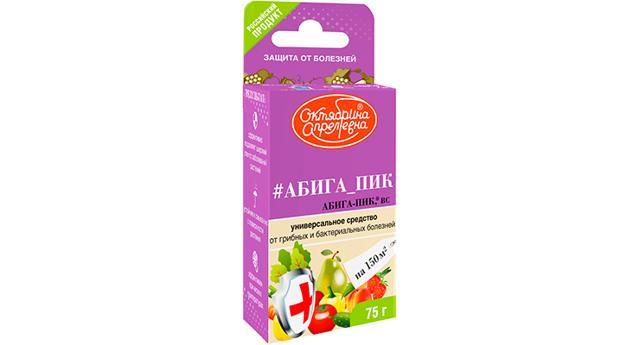
Besides Abiga-Peak, there are other copper-containing fungicides. Products with similar compositions include Oxychom, Hom, Kuprolux, and others. Copper-containing fungicides are typically used to treat fungal diseases in gardens and vegetable patches.
Gardeners' reviews
Antonina Vyacheslavovna: "I use Abiga-Peak to prevent rotting of vegetables, fruits, and berries at the very beginning of summer. One or two applications are enough."
Sergey, 66: "I use this product in the fall (I water the soil after harvesting). In the spring and summer, I only treat the plants that show signs of disease."
Related posts:
 How to treat grapes for mildew, the best control measures and treatment rules
 Instructions for use of Ordan, how to dilute the fungicide and its analogues
 Symptoms of diseases and pest attacks on hazelnuts, control measures
 Causes of anthracnose in cucumbers and treatment with folk remedies and medications
 Instructions for use of the drug Hom, the action and dosage of the fungicide
 Instructions for use of the fungicide Topaz for plants, composition and analogues
 How to propagate and grow peas, cultivation technology, and care in open ground
 Types of garden fungicides and descriptions of the top 24 best, instructions for use