
- Composition, existing forms of release and what it is intended for
- Operating principle
- The main advantages of the fungicide
- How to prepare a working solution?
- Consumption rates for different types of crops
- Instructions for use
- Safety precautions at work
- Degree of phytotoxicity
- Is there resistance?
- Possible compatibility
- Storage rules and shelf life
- Analogues
Powdery mildew, scab, rot, rust, and other dangerous crop diseases lead to crop failure. To combat fungal diseases, farmers use systemic products. One such product is the fungicide "Bayleton," whose instructions detail the preparation of the working solution, application rates, and areas of application.
Composition, existing forms of release and what it is intended for
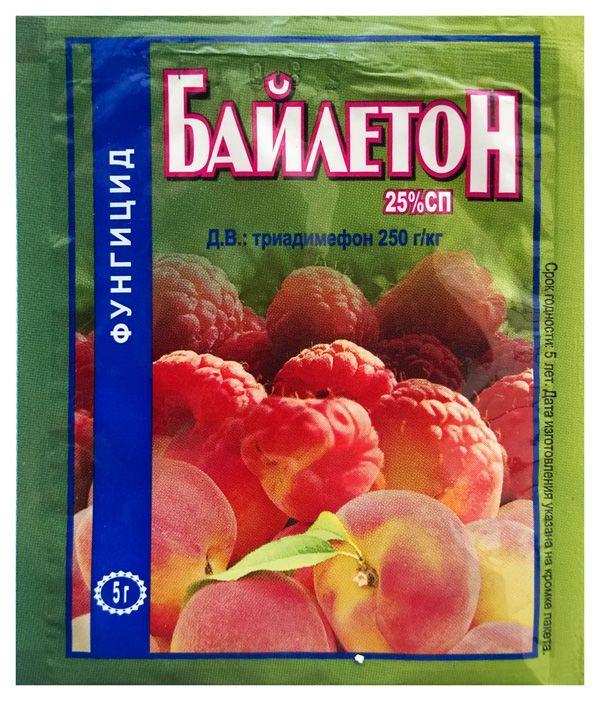
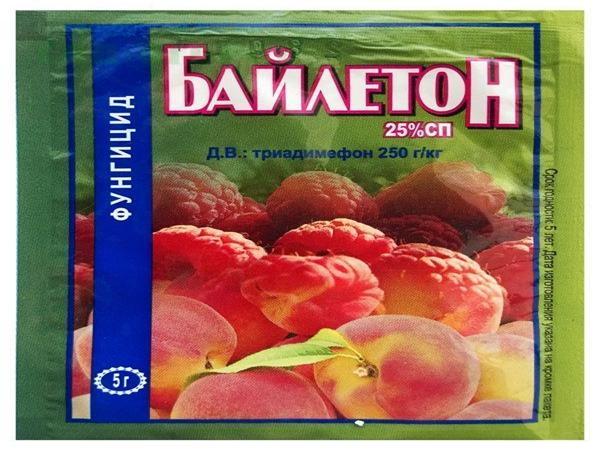
The main active ingredient is triadimefon, available at a dosage of 250 grams per kilogram. This component belongs to the triazole class of chemicals and has a systemic effect. The fungicide is supplied as a powder, packaged in 1, 5, and 25 kilogram bags.
The systemic fungicide "Bayleton" is used as a treatment for fruit and berry crops. It is effective against:
- rust;
- powdery mildew;
- rot;
- scabies;
- rhynchosporiosis;
- fusarium;
- septoria;
- spotting and other diseases.
The pesticide is equally effective in both open and closed soils. After spraying, Bayleton was found to be effective against leaf beetles and aphids. However, in this case, it is used in conjunction with other chemicals.
Thanks to its convenient packaging, it can be used on large and small agricultural farms.
Operating principle
The main component penetrates through foliage, moving acropetally toward the root system. Pathogenic microflora is destroyed by the formation of haustoria, vesicles, and appressoria. Triadimefon's active action occurs in the gas phase. Therefore, the pesticide is widely used to protect crops grown indoors.
The product has a pronounced insecticidal effect. To kill pests that feed on green parts of plants, it is combined with other pesticides.
The main advantages of the fungicide
One of the chemical's main advantages is its lack of phytotoxicity. When applied according to application rates and instructions, the product has no negative impact on crops. Its advantages include:
- lack of resistance;
- convenient form of application;
- excellent compatibility with other types of insecticides, pesticides, herbicides;
- low toxicity, the chemical does not pose a threat to humans, insects, birds and aquatic life;
- availability, which consists of a low price and a small dosage of the product;
- selectivity, the chemical can be used without restrictions.
How to prepare a working solution?
The powder is diluted with water immediately before use. Add a small amount of water to the container, dissolving 1 gram of the powder. Mix thoroughly, then add water to the desired volume. Mix the components thoroughly again and pour into the sprayer tank. Shake the sealed container well before use.
Consumption rates for different types of crops
Depending on the type of cultivated plants, the consumption rates of powder and working solution vary:
- Grain crops: 0.5-0.7 kilograms of the product per hectare of land is required to prepare a working solution of 300 liters. The interval between treatments is 20 days.
- Corn – the powder consumption rate is 0.5 kilograms per hectare. The working solution is used at a rate of 300-400 liters.
- For open-ground cucumbers, 0.06-0.12 kilograms of the chemical is required to prepare 400-600 liters of liquid per hectare. Spray up to four times per season.
- Cucumbers in protected soil are treated with a solution at a rate of 1,000-2,000 liters per hectare. The mixture requires 0.2-0.6 kilograms of powder. Treatments are carried out at intervals of 5 days.
- For tomatoes in protected ground, the application rate is 1-2.5 kilograms per hectare of soil. The solution consumption is 1,000-1,500 liters per 100 square meters of area. Up to five applications per season are permitted. The interval between applications is 10-12 days.

Instructions for use
Shake the freshly prepared solution and begin the application process. This should be done outdoors, away from children and animals. Spray crops 1-4 times per season. The number of treatments depends on the crop variety and the severity of the infestation. It is recommended to use the product during the growing season.
Safety precautions at work
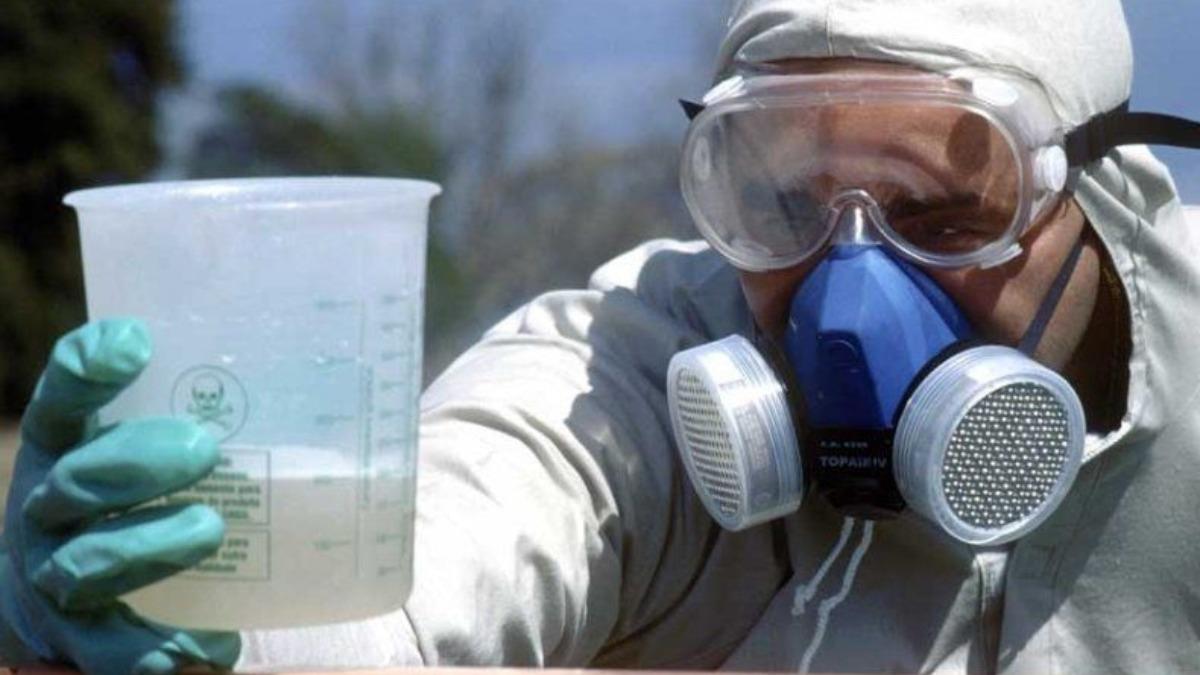
The pesticide belongs to hazard class 3, so standard safety rules must be observed when working with it:
- Workers must wear protective clothing, a head covering, a mask, and latex gloves while on site. It's preferable to wear clothing made of thick material.
- Smoking, drinking liquids and water are prohibited during treatment.
- Before refueling, check the sprayer for functionality.
- Spraying plants in cloudy weather or rain is not allowed.
- After working with the product, the sprayer tank is disinfected with a 5% soda or soap solution.
- Treatment is not permitted for minors, pregnant or lactating women.
Degree of phytotoxicity
The product is non-phytotoxic when used as directed and at the recommended dosage. The chemical is harmless to humans, animals, and insects.
Is there resistance?
No resistance to pest tolerance was observed with repeated use of the fungicide. Its effectiveness remains unchanged even with repeated use over several seasons.
Possible compatibility
Bayleton is compatible with most types of pesticides designed to protect fruit and berry crops. It is recommended to test the components for compatibility before use.

Storage rules and shelf life
The chemical should be stored in a separate area, inaccessible to children and animals. Do not store food, drinking water, or animal feed near it. Store the product away from sunlight; the ideal room temperature should not exceed 25 degrees Celsius. The shelf life is 4 years from the date of manufacture.
Analogues
Alternative products with a similar chemical composition include:
- "T-rex" is a combined systemic fungicide for the protection of grain crops;
- "Byzafon" is a protective agent against most pathogens of fungal diseases;
- "Privent" is a systemic fungicide for protecting crops from rust and powdery mildew.
The fungicide "Bayleton" helps protect plants and increase crop yields. It's also safe and cost-effective, requiring only one or two sprays per season. All these advantages make "Bayleton" popular among farm owners.
Related posts:
 The best eggplant varieties for growing in a polycarbonate greenhouse: planting and care
 Nitrophoska composition and instructions for use of fertilizer, errors
 Types of garden fungicides and descriptions of the top 24 best, instructions for use
 Instructions for use of Gliocladin and the composition of the fungicide, application rates
 Instructions for use and composition of the fungicide Discor, application rates and analogues
 Instructions for use of the fungicide Topaz for plants, composition and analogues
 Instructions for the use of Sporobacterin for plants and its composition, analogues
 Causes and treatment of eggplant pests and diseases, how to combat them at home