
- What is included in the composition and existing forms of release
- Purpose and mechanism of action
- Speed of action and how long the effect lasts
- Advantages and disadvantages
- Calculation of consumption
- How to prepare a working solution?
- Instructions for use
- Security measures
- Toxicity of the drug
- Is there resistance?
- Possible compatibility
- Storage rules
- Similar means
Fungal diseases damage crops and cause significant crop losses. To combat these harmful microorganisms, farmers use the fungicide "Impact." The product inhibits sporulation, promoting a high-quality harvest. It is effective against most common types of phytopathogenic fungi. The fungicide is used both prophylactically and to treat existing diseases.
What is included in the composition and existing forms of release
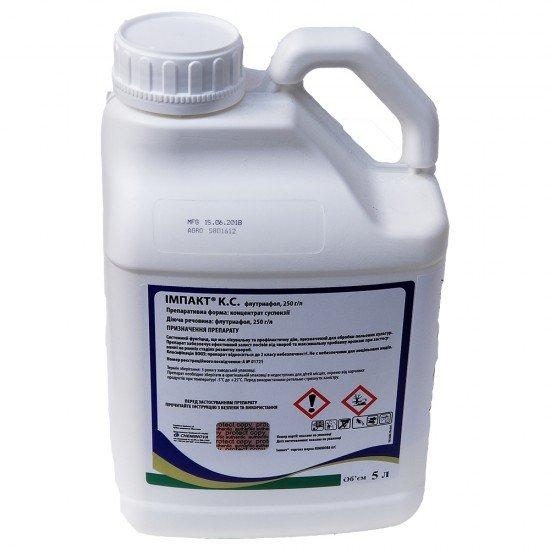
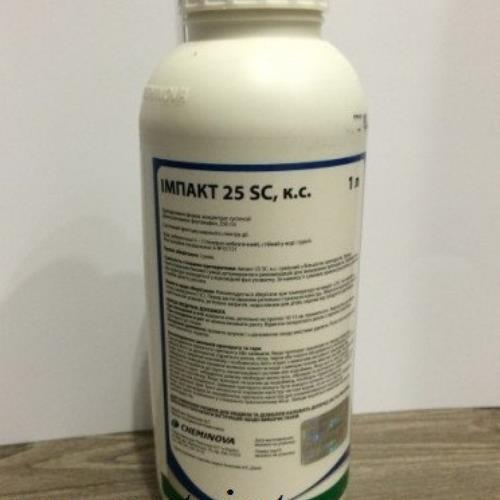
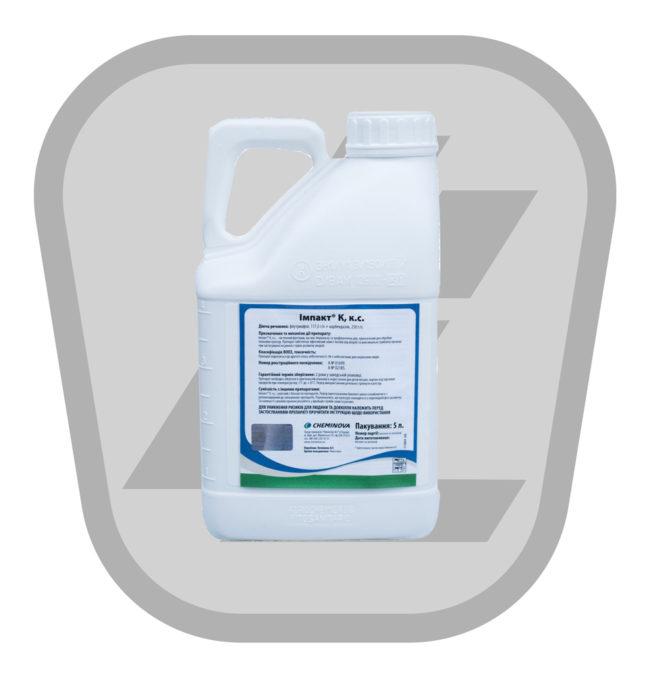
The active ingredient in this product is flutriafol, a triazole chemical. The dosage is 250 grams per liter of concentrate. It is available as a suspension, packaged in 5-liter plastic containers.
Purpose and mechanism of action
Once applied to crops, the product immediately penetrates the structure of leaves, stems, and roots. Impact is effective against most diseases:
- septoria;
- rust;
- root rot;
- fusarium;
- helminthosporiosis;
- pyrenophorosis;
- powdery mildew;
- rhynchosporiosis;
- phomosa;
- cercosporiosis and other fungal diseases.
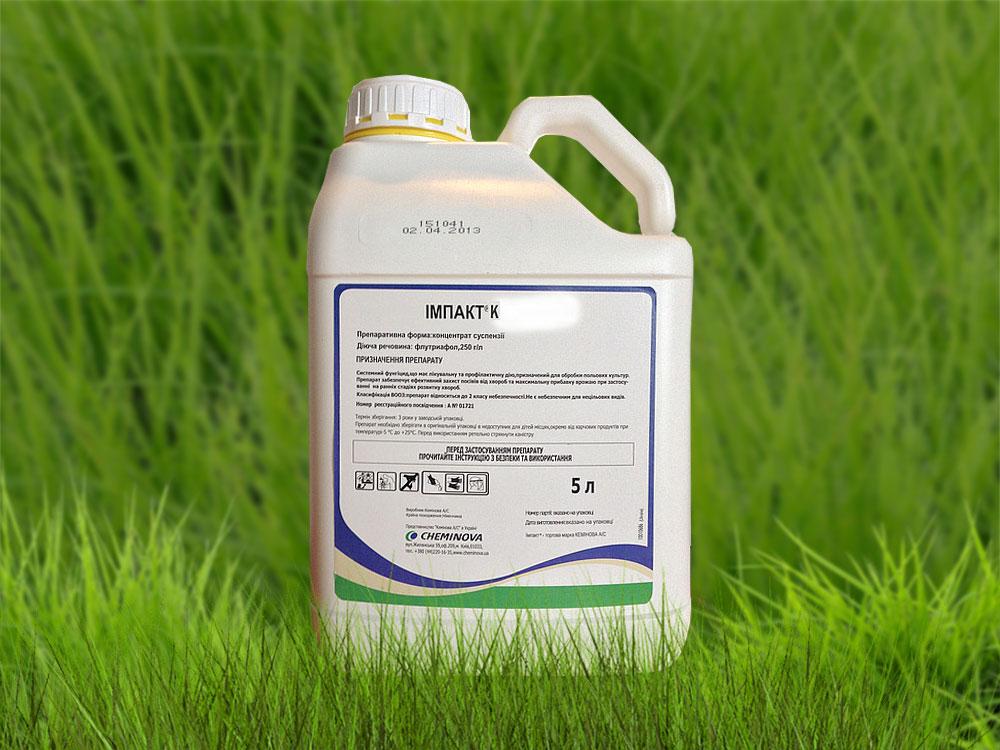
The active ingredient is absorbed by the plant, moving through the tissues. Due to its mobility, flutriafol begins working immediately upon contact with the crop, moving to the site of infection and suppressing it. After 30 minutes, it is no longer washed off by rain.
Speed of action and how long the effect lasts
Powdery mildew and rust disappear almost immediately under the influence of the fungicide. The product begins to act within half an hour of application to the plant. Internal damage continues for 7-10 days. Full crop protection lasts 1-1.5 months after application.
Advantages and disadvantages
Calculation of consumption
Different types of crops require a certain amount of working solution, which is given in the table:
| Culture | Consumption rate, l/ha |
| Spring and winter wheat | 50 |
| Spring and winter barley | 50 |
| Rice | 50-100 |
| Spring and winter rapeseed | 200-300 |
| Sugar beet | 300 |
| Apple | Up to 1000 |
| Grape | 500-800 |
For field crops, the consumption rate of the working fluid is 200-300 liters per hectare of area, and for aerial treatment – 50-100 liters per hectare of fields.
How to prepare a working solution?
The highly concentrated emulsion is diluted in stages. Add 1/10 of the suspension to water and mix thoroughly. The remaining amount of the preparation is added according to the instructions. During processing, shake the working solution periodically to prevent sedimentation.
Instructions for use
Treatment of crops begins immediately upon detection of fungal diseases on plants. The prepared solution should be used within 12 hours of preparation.
If necessary, the fungicide is combined with other products to increase its effectiveness. The mixture is used depending on the crop type:
- Grapes are treated when leaves emerge, before flowering. This product is effective against powdery mildew.
- Fruit trees are sprayed before flowering and during fruiting. Treatments for scab and powdery mildew are carried out twice a month.
- Grain crops are sprayed during the growing season. Fungicide treatment is effective against rust, spotting, and other fungal diseases.
- Sugar beets are treated once during the growing season. This helps protect the crop from leaf spot, powdery mildew, and cercospora leaf spot.
Security measures
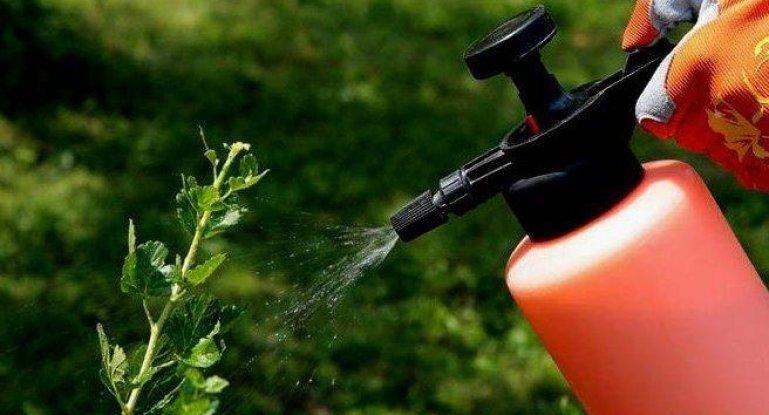
When working with chemicals, wear protective equipment to protect your eyes and respiratory tract from accidental contact with the solution.
Toxicity of the drug
"Impact" is classified as a Class III hazard and poses no harm to humans, as it has a low toxicity level. The working solution is approved for use near bodies of water and apiaries.
Is there resistance?
With regular use, resistance may develop. To prevent this, the product is periodically alternated with other fungicides that have a different mechanism of action against fungal diseases.
Possible compatibility
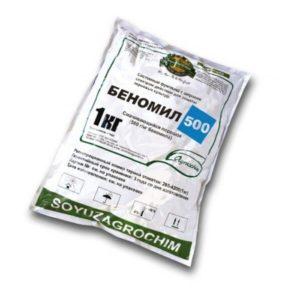
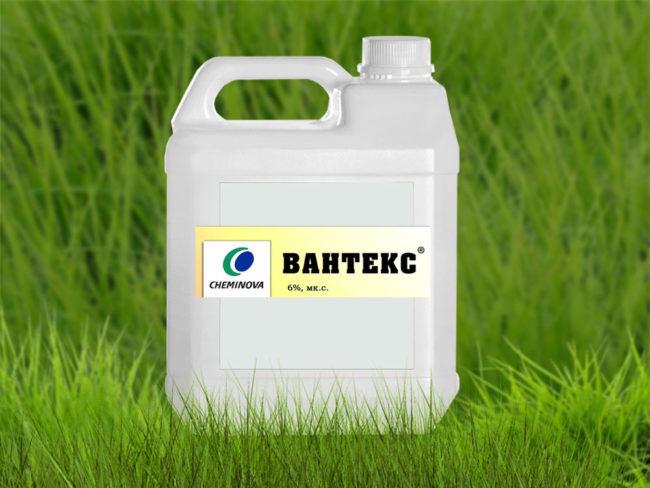
To increase the product's effectiveness, it is used in combination with other fungicides based on chlorothalonil (1 liter per hectare) and benomyl (0.5 liters per hectare). Impact is compatible with the insecticides Vantex and Danadim Expert.
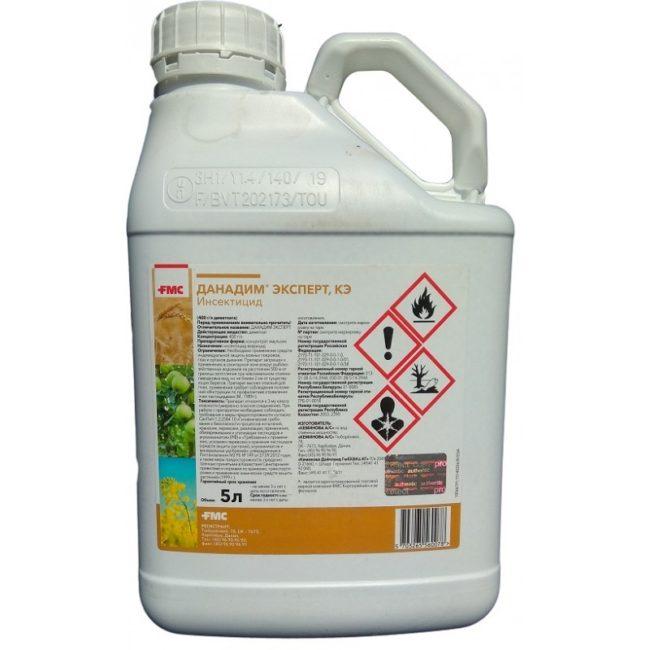
Storage rules
Store the medication in its original packaging in a dry, dark place, away from sunlight. The room temperature should be between -10 and +30°C. The shelf life of the medication is 36 months from the date of manufacture. The prepared solution should be stored for no more than 12 hours.
Similar means
The universal remedy "Impact" has similar medications based on flutrinafol. These include:
- "Phytolekar";
- "Phoenix";
- "Advance";
- Triafol;
- Fluafol;
- Fluplant;
- Paracel.
Impact produces positive results, guaranteeing a high-quality and healthy harvest. It is not recommended to use the fungicide with alkali-based products.
Related posts:
 The best eggplant varieties for growing in a polycarbonate greenhouse: planting and care
 How to properly plant peas in a greenhouse and open ground
 Methods for planting and propagating cherries at home
 How to propagate and grow peas, cultivation technology, and care in open ground
 Instructions for use of the fungicide Topaz for plants, composition and analogues
 Description of varieties of sowing peas and cultivation, to which family they belong
 The best grape varieties for growing in the Urals, planting and care rules in summer
 Corn sowing rules and regulations, how to plant and prepare seeds