
- Composition and existing forms of release
- Purpose
- Mechanism of action
- Pros and cons
- Performance
- How long does the effect last?
- Calculation of consumption for different crops
- How to prepare a working mixture
- Instructions for use
- Precautionary measures
- Degree of toxicity
- Possible compatibility
- How and how long to store fungicide
- Analogues
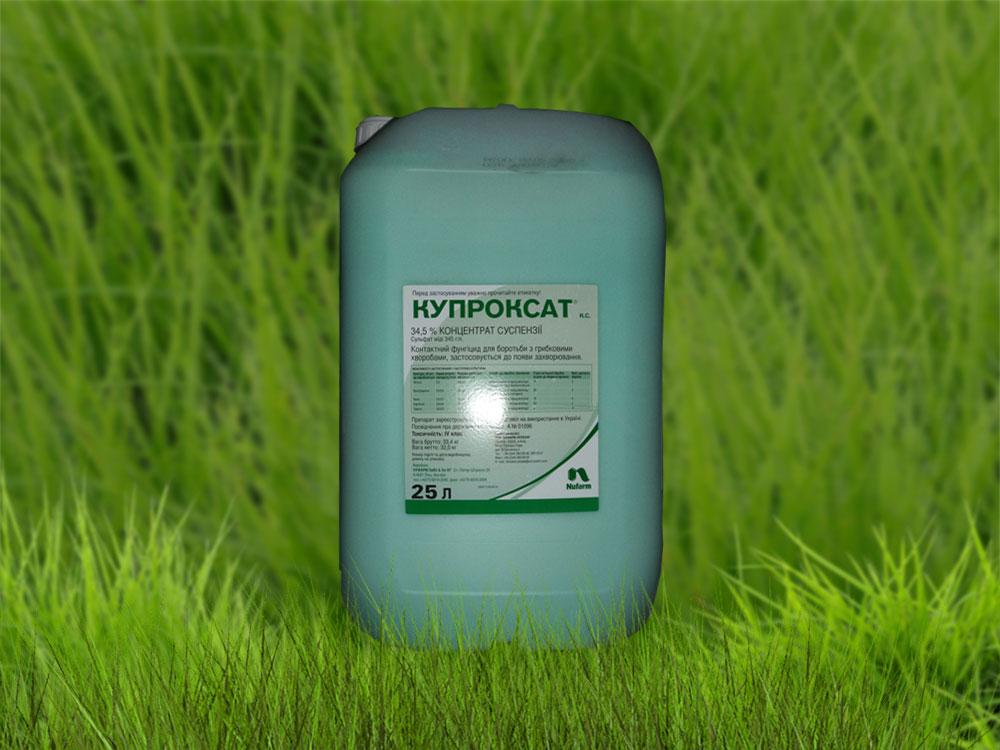
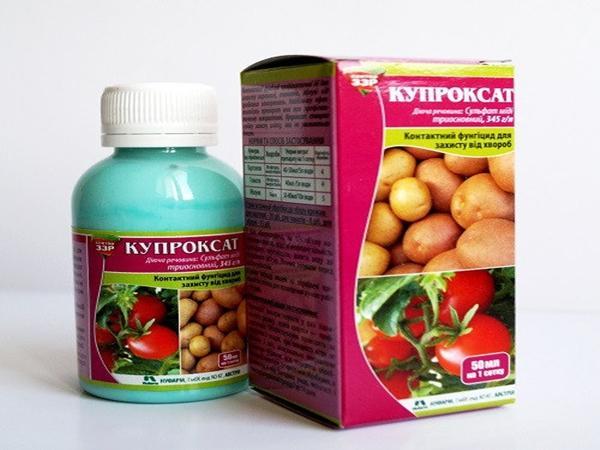
Grape and tomato crops are most often damaged by microscopic fungi. To protect seedlings, farmers use chemical fungicides. One of the most effective is "Kuproksat," which is available in hardware stores. The "Kuproksat" fungicide packaging includes instructions for use. It's important to follow the recommended dosage and avoid overloading the fields with unnecessary chemicals.
Composition and existing forms of release
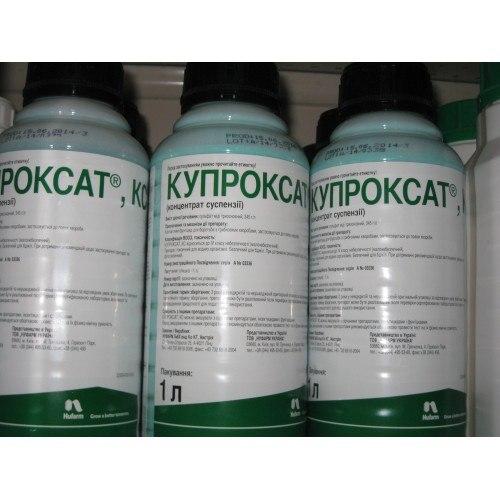
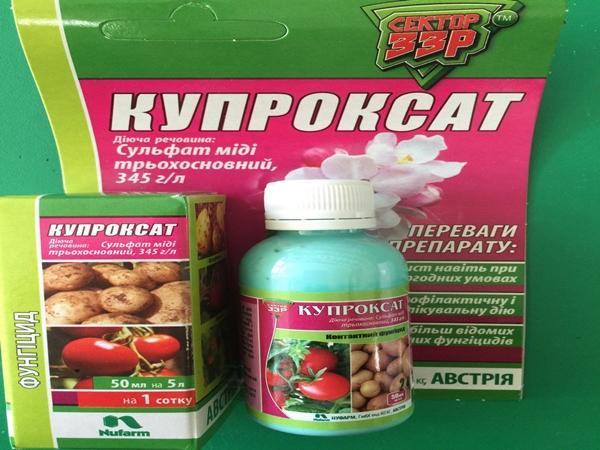
The fungicide's main active ingredient is copper sulfate. One package contains 345 mg of the salt. Copper sulfate is also known as copper sulfate. It has long been used as a disinfectant and fertilizing liquid that does not harm crops. The product is available as an emulsion or suspension. The liquid is packaged in 25-liter canisters. Before use, the product is diluted a certain number of times. The dilution rate depends on the plant species and the field size.
Purpose
The product "Kuproksat" kills microscopic spores and fungi thanks to copper sulfate. This substance has antiseptic and disinfectant properties and also fertilizes the soil, adding beneficial minerals, including copper. The solution can be used to disinfect damaged plant bark, for example, after grafting or after being eaten by wild animals.
It is most effective as a preventative measure, but also works on already infected crops.
Mechanism of action
Treating plants with "Kuproksat" prevents the growth and development of pathogenic spores. Enzyme production is inhibited, preventing the normal development of parasites. This gradually destroys the colony of microscopic fungi. The most effective treatment is carried out before fungal infestation, as a preventative measure. It kills fungal spores that cause diseases such as scab, late blight, mildew, and early blight.
Take a look Also
Pros and cons
Like any other fungicide, "Kuproksat" has its advantages and disadvantages.
Performance
The product takes effect immediately after spraying. Its formula ensures it adheres well to plant leaves and is not washed off after irrigation. The protective layer needs to be renewed every two weeks. Unfortunately, it is only suitable if fungal infestation has not yet begun.
How long does the effect last?
"Kuproksat" is used on four main types of crops. The duration of the effect varies depending on the number of treatments and the field size. The product lasts the longest on apple and potato leaves, which require spraying only during the growing season. During the ripening period, the plants will need to be treated twice more.
For peaches, apricots, and grapes, the frequency of treatment is four times. A distinctive feature of this product is the formation of a film on the leaves, which makes the effect last several times longer than with ordinary copper sulfate.
Calculation of consumption for different crops
The amount of working solution required depends on the type of crop being grown. One hectare of vineyards or apple orchards requires 1,000 liters of active ingredient. The same amount of tomatoes, cucumbers, or tomato plants will require only 400 liters of "Kuproksat."
How to prepare a working mixture
For potatoes and tomatoes, use 40-50 ml of concentrated solution per 5 liters of water, and for apple trees, up to 80 ml. Simply measure the solution with a cup and add it to a half-filled sprinkler tank. Afterward, mix the solution carefully and top up the tank to the final level. The fungicide container should be thoroughly rinsed with water and disposed of. After using the equipment in the fields, the tank should be rinsed. Used water should not be poured onto the ground or other food crops.
Instructions for use
Fungicides are most effective in cool weather, so the first treatment is carried out in early spring or fall to prevent the development of microscopic spores on the plant. The number of treatments and the amount of liquid applied are calculated individually for each crop.
Precautionary measures
Store the fungicide out of the reach of children, in a dark, tightly sealed container. Avoid direct sunlight and sudden temperature changes. If copper sulfate vapor poisoning occurs, immediately remove the person to fresh air and rinse the mouth and nose with clean water. If "Kuproksat" is ingested, induce vomiting immediately by any means necessary, then perform gastric lavage with a mildly alkaline solution. Avoid using the fungicide during rainy periods or strong winds to prevent the chemical from spreading over long distances.

Degree of toxicity
The substance is toxic to humans and animals if safety regulations are not observed. Oral doses are particularly dangerous. A lethal dose of copper sulfate for humans is considered to be 45 grams. Therefore, handling the fungicide should only be done while wearing protective clothing, and hands and face should be thoroughly washed after use. The product is safe for bees only when used as directed. It does not harm fauna or flora and is approved by the Ministry of Agriculture.
Possible compatibility
"Kuproksat" responds well to other fungicides and insecticides. It can be used in conjunction with other fertilizers, both organic and inorganic. Before the first application, it is advisable to test the soil for compatibility with the fungicide.
How and how long to store fungicide
The fungicide has a shelf life of two years from the date of manufacture. The expiration date is indicated on the packaging. Once opened, store the bottle out of the reach of children and animals. Avoid sudden temperature changes and direct sunlight.
Analogues
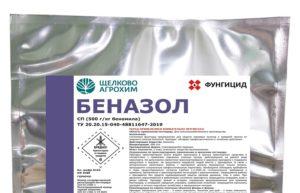
The most well-known and inexpensive alternative to Kuproksat is Bordeaux mixture. It's a solution of copper sulfate in lime. It was invented over 100 years ago and has long proven its effectiveness among gardeners. You can make your own mixture or purchase a ready-to-use solution at a gardening store.
Related posts:
 Causes and treatment of eggplant pests and diseases, how to combat them at home
 The best eggplant varieties for growing in a polycarbonate greenhouse: planting and care
 Growing and caring for hazelnuts in open ground, rules for planting hazelnuts
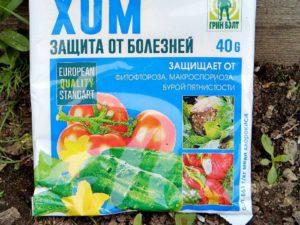
 Types of garden fungicides and descriptions of the top 24 best, instructions for use
 Instructions for use of Gliocladin and the composition of the fungicide, application rates
 Is it possible to soak treated cucumber seeds before planting and how to do it correctly?
 How to control carrot flies with medications and folk remedies
 Types of fungicides for cucumbers in a greenhouse and instructions for use