
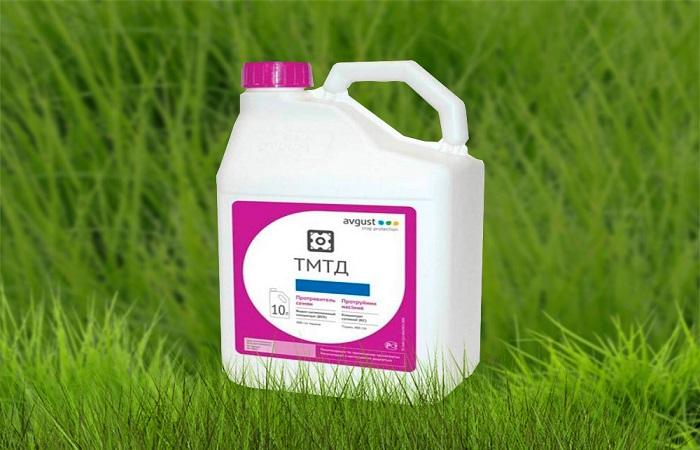
Pre-sowing seed treatment helps protect the seeds and seedlings from numerous fungal infections. Seed treatment can increase yields and protect against a number of diseases. One of the most effective methods is seed treatment with a concentrated suspension of "TMTD," or tetramethylthiuram disulfide.
Composition and dosage form
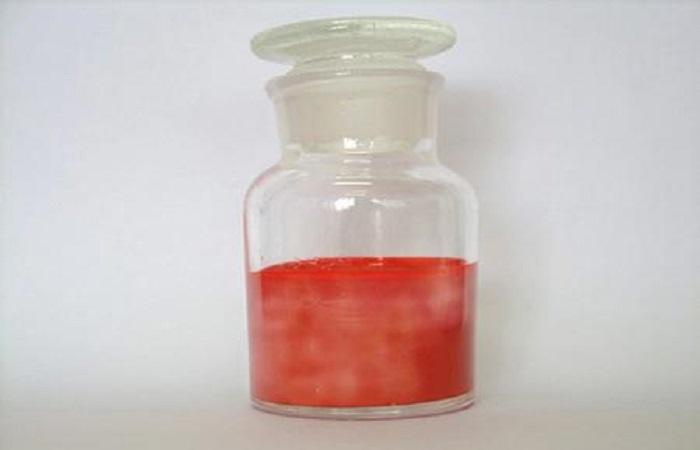
The contact protective and curative fungicide "TMTD" is a Soviet-era product used to treat the seeds of various crops. This powdered pesticide contains tetramethylthiuram disulfide, a dithiocarbamate.
The fungicide is available in the following formulations:
- Water-suspension concentrate 40%.
- Suspension concentrate 40%.
- Flowable paste 40%.
The drug is resistant to environmental influences and completely decomposes into non-toxic components within six months to two years.
Mechanism of operation and purpose
"TMTD" is used for seed dressing and plant treatment; it is a contact-action product, remaining effective for up to one and a half months after treatment.
When penetrating the cellular structure of the pathogen, the agent inhibits enzymes containing copper or sulfhydryl groups.
Flow calculation and instructions for use
This seed treatment is used to treat seeds before sowing and before applying bacterial fertilizers. It is effective against seed mold, root rot, anthracnose, and ascochyta leaf spot.
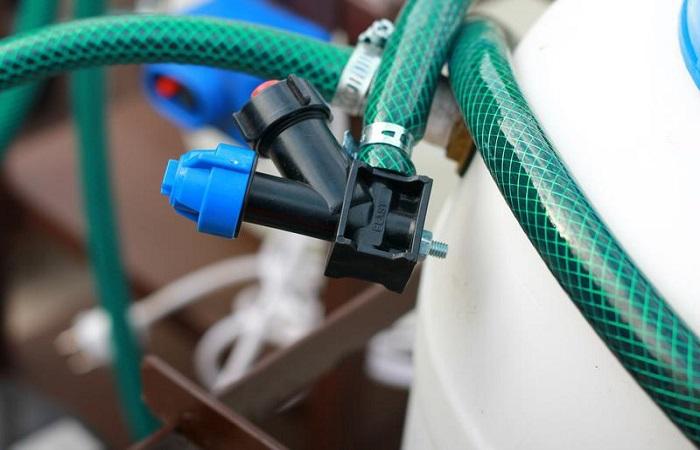
The working solution application rate is 5-15 liters per ton. A single application is performed before seeding.
Safety precautions
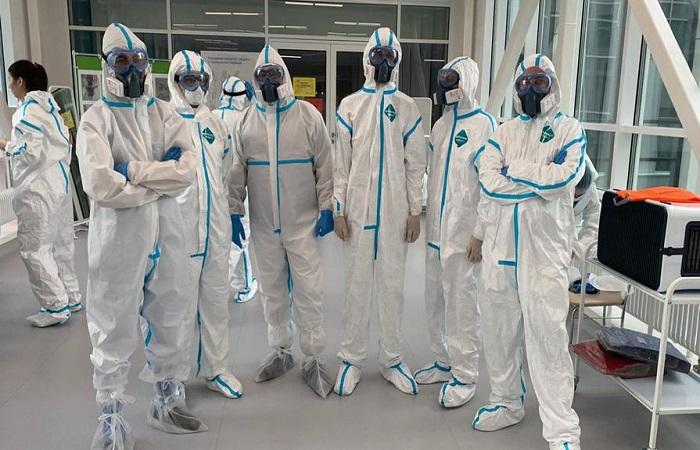
The fungicide "TMTD" is classified as a Class III hazard to humans. It is a contact agent, so the user must protect their body, mucous membranes, respiratory system, and eyes during treatment.
To do this, you need to follow these general rules:
- Wear thick protective clothing with long sleeves and legs, a hat and closed shoes.
- Use personal protective equipment: goggles, mask or respirator, rubber gloves.
- After treatment, you need to take off your work clothes, wash your face and hands with soap, take a shower and change clothes.
- While using the product, you must not drink, eat, or talk.
If the product comes into contact with your skin, rinse it off with plenty of running water. Concentrated solutions can irritate the skin and mucous membranes. Wash off any contact as quickly as possible and seek medical attention.
What to do in case of poisoning
"TMTD" is considered moderately toxic to humans and warm-blooded animals. However, since it accumulates, repeated exposure to the drug, especially in strong concentrations, on the skin, mucous membranes, or ingestion may lead to intoxication. The drug can also cause allergic reactions and sensitization when wearing rubber products, such as gloves or boots.
Ingestion of TMTD at doses exceeding 26 milligrams per kilogram of body weight results in severe poisoning. A dose of 50 milligrams per kilogram of body weight is fatal. This drug is a lipotropic poison that affects the nervous system, gastrointestinal tract, including the liver, and hematopoietic organs, and can cause thyroid hyperplasia. The drug increases sensitivity to alcohol, so drinking alcohol while working with TMTD is strictly prohibited.

This is a dangerous fungicide, so if ingested, immediate action is required. Acute poisoning with this product is accompanied by the following symptoms:
- Vomit.
- Severe headache.
- Increased heart rate, arrhythmia.
- Liver damage.
- Acute allergic reaction (urticaria).
- Bronchitis.
- Conjunctivitis.
If a person has consumed alcohol, poisoning may be accompanied by a drop in blood pressure, chest pain, pallor, sweating, fainting, convulsions, slurred speech, agitation, and an increase in body temperature.

Is compatibility possible?
TMTD is approved for tank mixing with most other pesticides. Specifically, it can be combined with products also used for seed treatment, such as Triadimenol, Carboxin, and Tebuconazole.
The product can also be combined with bacterial agents, such as those that promote the growth of nodule bacteria in the root system of the crop. "TMTD" does not interfere with this process, nor does it affect the activity of fertilizers based on beneficial bacteria.
How and how long can it be stored?
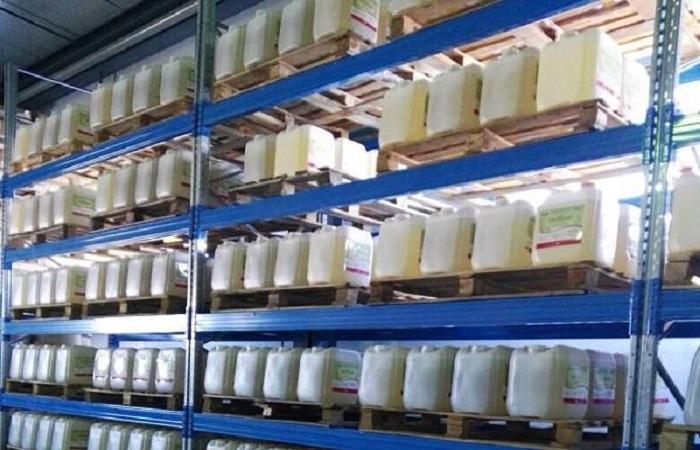
The product has a shelf life of 36 months in an unopened container. Keep it out of the reach of unauthorized persons, especially children, pets, and farm animals. Store the fungicide in a dark place, protected from direct sunlight, at a temperature of 15 to 35 degrees Celsius.
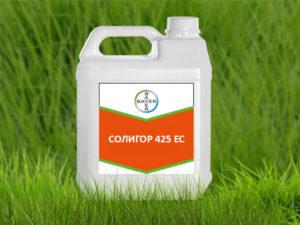
Do not store the product near food, medications, or beverages. It is recommended to keep "TMTD" in its original, tightly sealed packaging. If the product is dispensed into another container, it must be labeled accordingly. The prepared working solution cannot be stored for long periods.
Analogues
The following fungicides are produced based on tetramethylthiuram disulfide:
- Thiram.
- Tetration A.
- Fernazon.
- "Kunitex".
- "Numberzan".
- "Thiuram D".
- "Aathiram".
- "Pomazod".
- "Aapikol"yu
- "Ripomol".
- Tinosan.
- "Tulizan".
- Tiradin.
- "Tigam C".
- Tuads
- "Arozon".
- "Terzan".
- "Twads".
- "Tutan" and many others.
Before using TMTD analogs, it is necessary to carefully read the instructions for use of a specific drug, as the instructions may vary depending on the manufacturer, the concentration of the drug, and its intended purpose.
Related posts:
 How to plant grapes step by step, with a description of the process and care
 How to control onion flies using natural and chemical methods
 How to properly plant peas in a greenhouse and open ground
 The best eggplant varieties for growing in a polycarbonate greenhouse: planting and care
 How to propagate and grow peas, cultivation technology, and care in open ground
 Causes and treatment of eggplant pests and diseases, how to combat them at home
 Causes and treatment of anthracnose on grapes, how to treat and combat it
 How to combat powdery mildew on onions using folk and chemical remedies