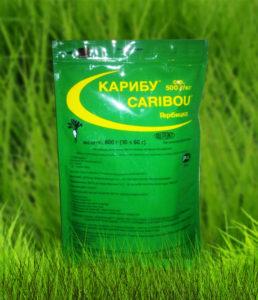
Growing strawberries is considered a rather complex and labor-intensive process. Gardeners periodically encounter various problems, one of which is the appearance of large numbers of weeds. This increases the risk of infection and significantly impairs the crop's growth. Therefore, many gardeners are interested in how to control strawberry weeds.
Methods for protecting strawberry plantings from weeds
To get rid of weeds, it is permissible to use different methods.
The most effective procedures include:
- Weeding is the most labor-intensive method. It's recommended to weed the beds in the spring, before flowering and seed ripening.
- Digging a plot with a pitchfork is a gardening tool that works well for weed control. A shovel cuts the roots of plants, causing them to sprout again and multiply more rapidly. To kill weeds, simply dig the soil with a pitchfork and pull them out by the roots.
- Cutting off above-ground plant fragments – this can be done with garden shears.
- Mulching involves covering the beds with bark, expanded clay, or wood chips. To control unwanted vegetation, the mulch layer should be at least 5 centimeters thick.
The best herbicides for strawberries
Special herbicides can help control weeds in strawberry beds. It's important to choose the right product and follow the instructions for use.
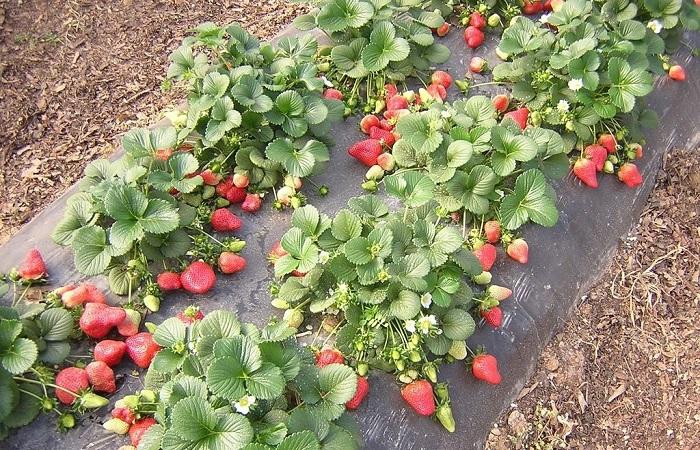
Nuclear mixture
It includes various substances that are sold in any pharmacy. They are mixed with water and sprayed on crops before and after flowering. This substance protects crops from fungi and pests. However, it does not control weeds.
To prepare the nuclear composition you need to take the following:
- 40 liters of water;
- 25 milliliters of iodine;
- 30 milliliters of fir oil;
- 80 milliliters of birch tar;
- 40 milliliters of ammonia solution with a concentration of 10%;
- 10 grams of boric acid.
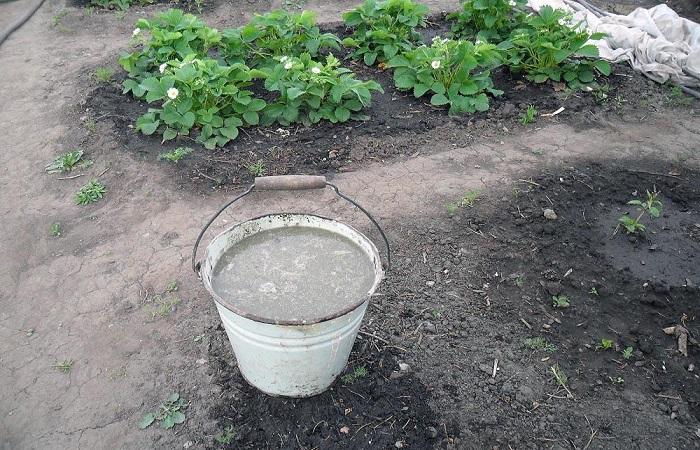
Mix 250 milliliters of the prepared mixture with 10 liters of water and use the mixture to treat strawberry beds. This solution can be used to spray the entire garden. This will increase the yield of your plants and improve the quality of your fruit.
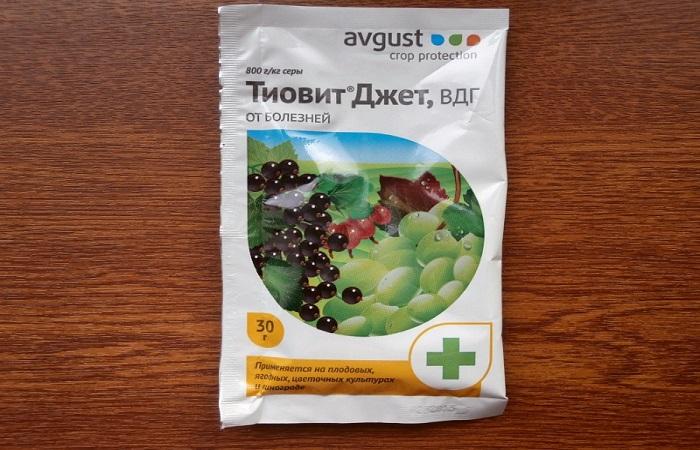
Thiovit Jet
This sulfur-based fungicide protects crops from powdery mildew. It also helps prevent the development of other fungal infections. It can also be used against spider mites. Sulfur is also essential for the healthy development of strawberries.
To prepare the working solution, mix the powder with water. Apply the mixture to dried strawberry leaves. As sulfur is released, the pathogens' vital processes are disrupted. The product's effectiveness lasts no more than 1-2 weeks. Rain washes the sulfur off the leaves. It's important to note that the product has no effect on weeds.
Other drugs
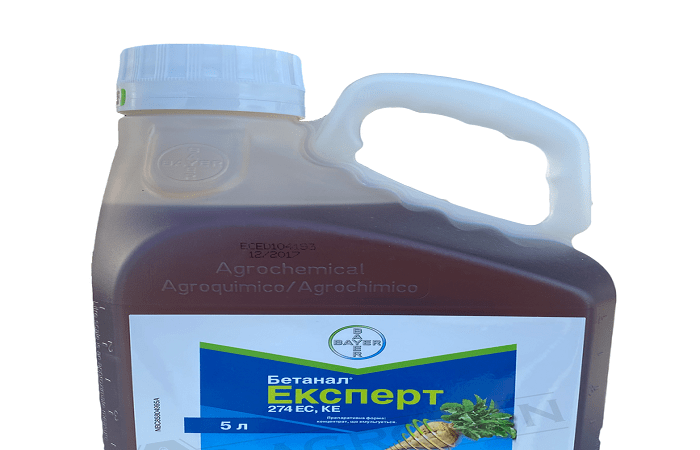
To control weeds, it's recommended to use herbicides. Lontrel 300 is recommended for controlling knotweed, sow thistle, and dandelion. Products such as Betanal and Goltix are effective for killing annuals and perennials. These should be used at the initial stage of weed growth.
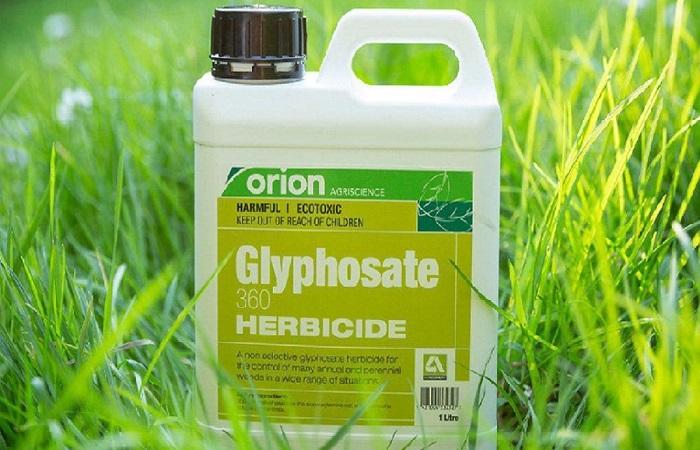
Trifluralin can be used one month before planting seedlings. During the active weed growth phase, Glyphosate, Roundup, or Tornado should be used. Young strawberry plants are recommended to be treated with Desmedipham or Dactal. In summer, Prizm or PAB will help control unwanted vegetation.
How to choose the right substance
To choose a high-quality product for treating strawberry beds, it is worth considering the following parameters:
- Treatment period. If you plan to treat the soil before planting, use Bentanal or Galtix. Once the grass has begun to grow vigorously, it's best to use Glyphosate. These products help eliminate the need for weeding for a long period of time. However, avoid using chemicals a month before harvest.
- A type of weed. To control grassy plants, use Targa Super and Flusilade Forte. Complete eradication will take two weeks. It's important to avoid contact with the foliage of cultivated plants.
- Product quality. All products must have the safest possible composition. Crop plants should not be harmed by the herbicide.
Instructions for the use of chemical preparations
Knapsack sprayers can be used to apply herbicides to beds. This requires creating pressure in the chamber.
When using herbicides, it is recommended to adhere to the following rules:
- The liquid should be free of suspended solids. Otherwise, the sprayer may become clogged.
- The substance must be sprayed at a distance of 12-15 centimeters from the surface of the foliage.
- To prepare the working solution, use measuring cups. It's important to strictly adhere to the dosage.
Herbicide solutions can also be applied using a watering can. However, this will significantly increase the amount of working fluid used.
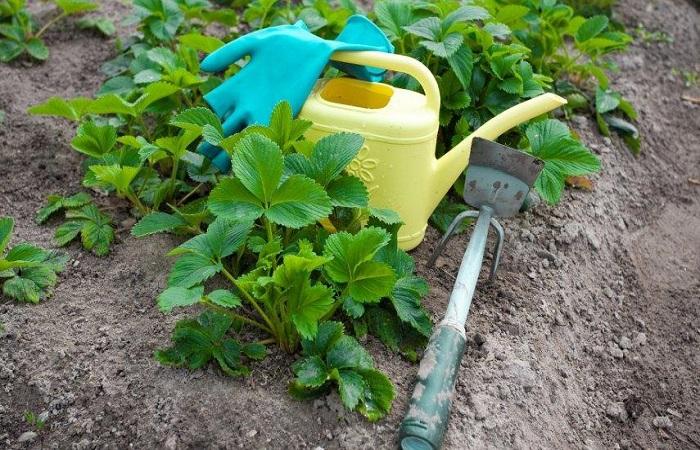
Chemical weeding methods
Before use, the herbicide must be mixed with water. The exact dosage is indicated in the instructions. Exceeding this dosage is strictly prohibited.
Herbicides should be used to treat weeds at the initial stage of their development. If there are large numbers of grasses, specific weed control products should be used first. Only then should herbicides be applied to annual and perennial broadleaf grasses.
Folk methods
To protect strawberries from harmful insects and infections, it's worth using harmless folk remedies. A baking soda solution can be used to kill fungi. To control insects, use solutions based on ash, tobacco, or garlic.
To ensure successful strawberry cultivation, it's important to combat unwanted vegetation promptly. This requires the use of herbicides and folk remedies.
Related posts:
 Methods for planting and propagating cherries at home
 Conditions for growing mandarin at home and rules for caring for the tree
 Rules for planting and caring for pears in open ground, how to grow them correctly
 Peach tree care and agricultural secrets, pest control
 The best methods for growing grapes from seeds at home
 Choosing a rootstock for cherry grafting and budding rules for beginners
 The best grape varieties for growing in the Urals, planting and care rules in summer
 Growing and caring for hazelnuts in open ground, rules for planting hazelnuts