
- What is included in the composition and existing forms of release
- Advantages and disadvantages
- Mode of action
- Speed of action and how long the effect lasts
- Calculation of consumption
- How to prepare a working solution and instructions for use
- Security measures
- How to help with poisoning
- Degree of toxicity and what crops it is tolerant to
- Is there resistance?
- How to store it correctly and for how long
- Similar means
Many agricultural producers use the herbicide "Dublon" to control weeds. The instructions for use state that the product destroys annual and perennial weeds in corn crops. "Dublon" is a systemic herbicide and is new to the market. It belongs to the chemical class sulfonylurea and has a toxicity class of 3.
What is included in the composition and existing forms of release
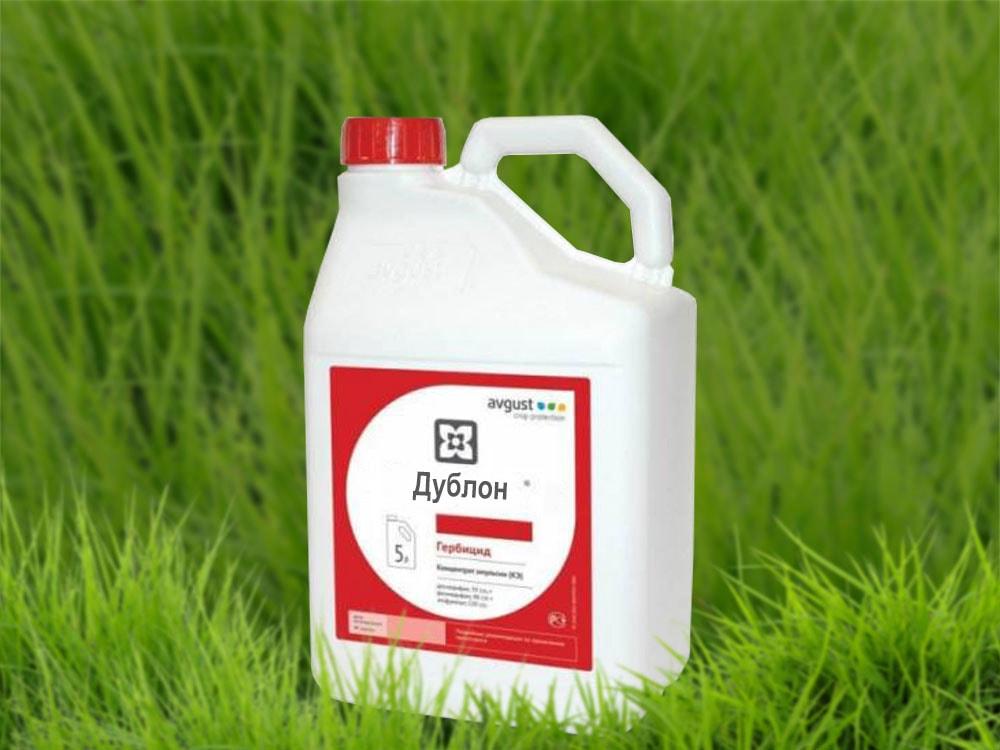
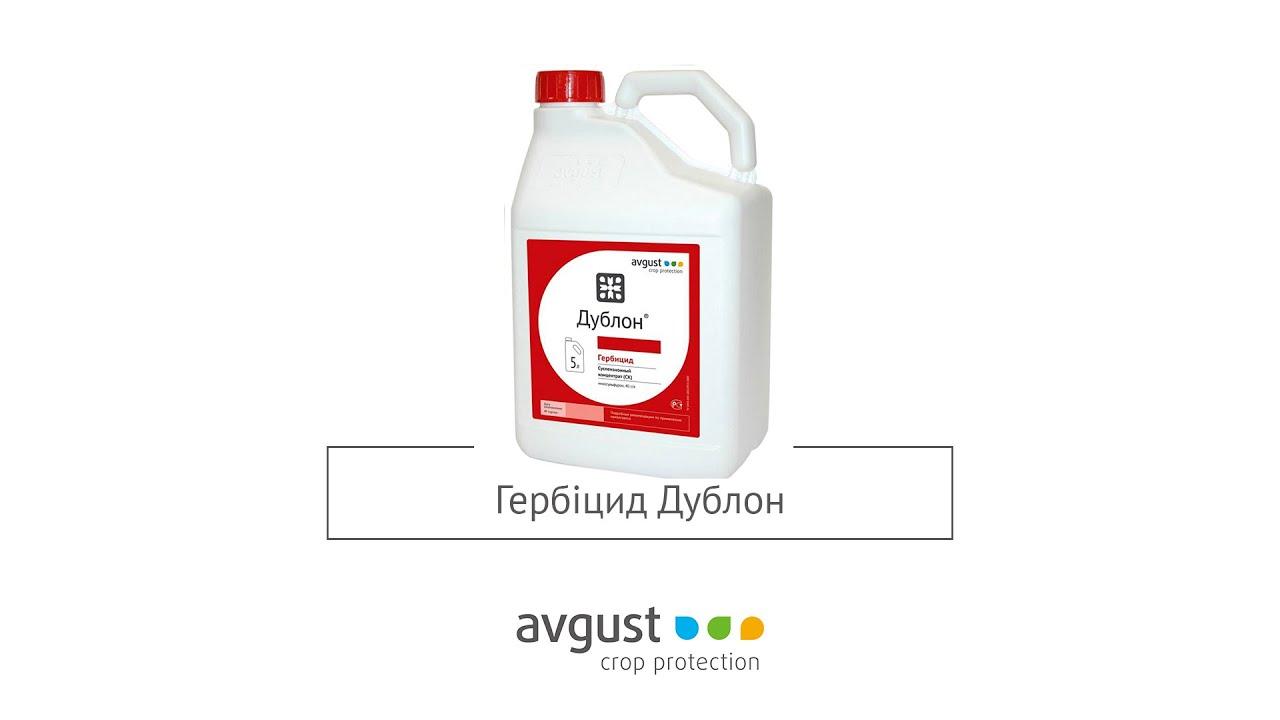
The herbicide contains nicosulfuron. "Dublon" is sold as a concentrated suspension. Each canister holds 5 liters. Each liter of suspension contains 40 grams of the active ingredient.
Advantages and disadvantages
Mode of action
"Dublon" has a systemic effect on weeds. It penetrates the plant through stems and leaves and is carried by the sap flow to all parts. By penetrating the weed's cell walls, the herbicide disrupts photosynthesis and blocks the production of growth hormones and amino acids.
Speed of action and how long the effect lasts
Three to four hours after treatment, the substance penetrates the plant. The rate at which the green part of the weed absorbs the product depends on several factors:
- Air temperature – the higher it is, the faster the reaction begins.
- Air humidity and precipitation index – rain and high humidity slow down the absorption process.
- A type of weed.
- Weed development stages.
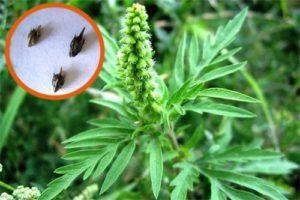
4-5 days after treatment, you can notice the first signs of the drug’s effect:
- the grass growth slows down sharply;
- leaf veins lose pigment;
- the green part of the weed becomes an unnatural color;
- the leaves begin to die off gradually.
Complete weed control is possible no sooner than two weeks after treatment. The product is non-toxic to corn and does not affect its growth or yield. Its effect lasts for 8-10 weeks.
Calculation of consumption
The average application rate is 200-400 liters of working solution per hectare of soil. This herbicide is not recommended for use on sweet corn or popcorn.
How to prepare a working solution and instructions for use
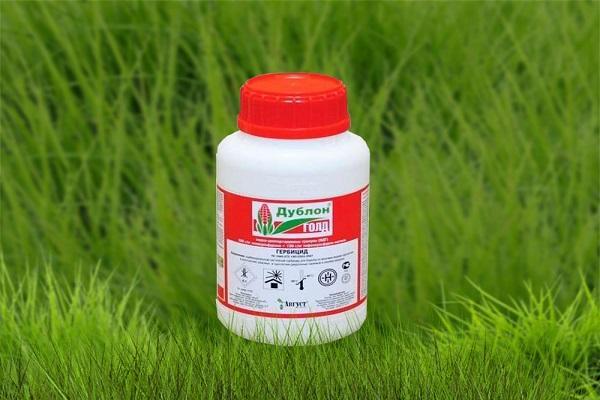
To prepare a working solution for treating one hectare of corn, use 1-1.5 liters of Dublon herbicide and 250-300 liters of water. To increase the solution's effectiveness, it is recommended to add Egida to the working solution. This requires 1.25 liters of herbicide and 0.2 liters of additional herbicide.
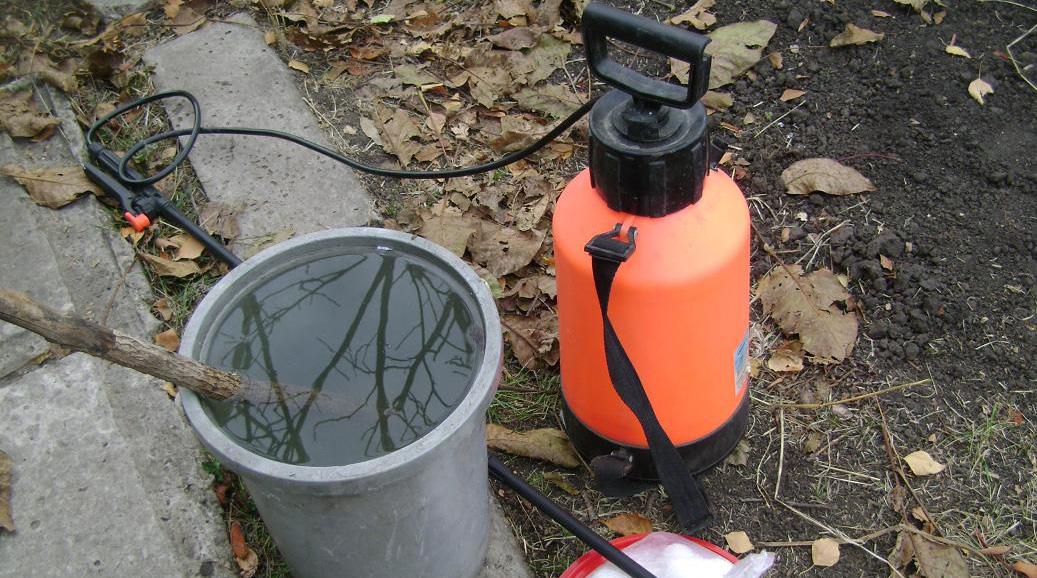
It is important to follow the cooking sequence:
- fill the sprayer with a small amount of water;
- pour in the required amount of herbicide;
- add a substance that will enhance the effect of the main drug;
- mix all ingredients thoroughly;
- add water to the required volume.
If special equipment is used for spraying, it is recommended to prepare a stock solution in a separate container.
The solution may be used with other similar herbicides. Combined treatment with insecticidal solutions is prohibited.
Security measures
This substance is classified as a Class III toxicity substance and is moderately hazardous to humans. It is crucial to observe safety precautions when preparing the base solution. Care must be taken to avoid contact of the herbicide with exposed skin or mucous membranes, and avoid inhaling the vapors.
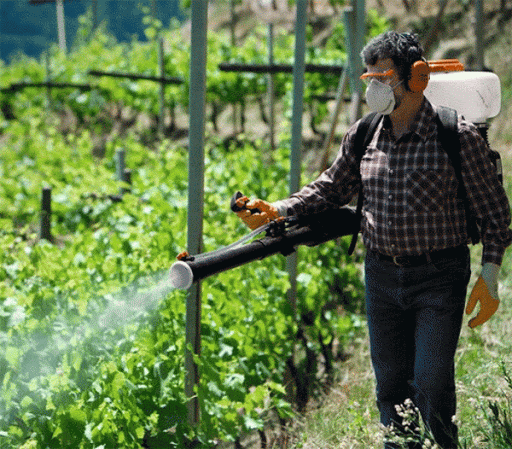
During processing, it is mandatory to use personal protective equipment - overalls, a mask with a respirator, plastic eye protection, and thick rubber gloves.
How to help with poisoning
If the first symptoms of poisoning appear – weakness, nausea, vomiting, disorientation, dizziness, severe headaches, shortness of breath – you must immediately stop treatment and leave the area.
If "Dublon" comes into contact with exposed skin, rinse with soap and running water for at least 5 minutes. The mucous membranes of the nose and eyes should also be rinsed with running water, but without soap. If the condition is alarming and symptoms of poisoning persist, seek emergency medical attention immediately.
Degree of toxicity and what crops it is tolerant to
When prepared according to the instructions for the working solution, the product is safe for corn and does not interfere with the crop's natural growth process. The substance is tolerant to the following crops: sugar beet, tomato, flax, buckwheat, wheat, barley, rapeseed, oats, soybeans, and corn.
"Dublon" does not cause addiction in the treated crop, but the manufacturer recommends changing the active ingredient every 1-3 years.
Is there resistance?
The manufacturer recommends alternating herbicides to prevent the development of resistance.
How to store it correctly and for how long
The medication may only be stored in strictly designated areas. Before storing, carefully inspect the packaging for damage. Do not store "Dublon" loose, near grain, livestock feed, or food products. Store at temperatures between -5°C and +40°C. The shelf life is two years from the date of manufacture.
Similar means
There are several preparations that are similar in action to the herbicide "Dublon":
- "Nikobel", KS;
- "Agronika", KS;
- Innovate, KS;
- "Voyage", VDG.
Related posts:
 How to plant grapes step by step, with a description of the process and care
 How to properly plant peas in a greenhouse and open ground
 How to control onion flies using natural and chemical methods
 How to propagate and grow peas, cultivation technology, and care in open ground
 The best eggplant varieties for growing in a polycarbonate greenhouse: planting and care
 How to combat powdery mildew on onions using folk and chemical remedies
 Recipes for cold, hot, and original appetizers for the New Year 2020
 Description of varieties of sowing peas and cultivation, to which family they belong
