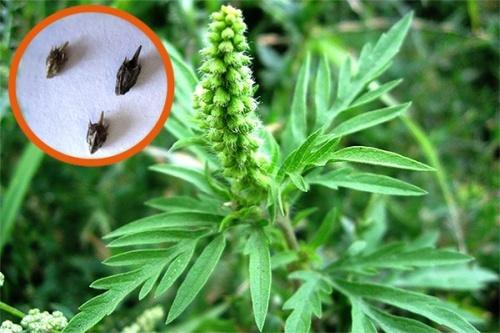
The incidence of pollen allergies is increasing worldwide every year. One of the most dangerous weeds in this regard is ragweed. It comes in dozens of varieties, but the most common is the common ragweed, Ambrosia artemisiifolia. In addition to harming human health, it disrupts the vegetation of crops, leading to crop losses. Therefore, it is important to use herbicides specifically against ragweed, a complex pest.
Weed characteristics
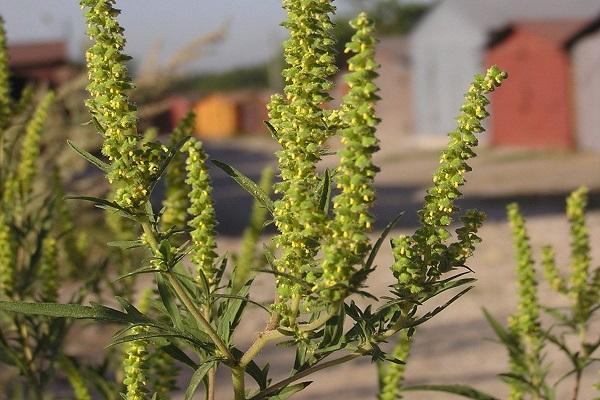
Ragweed is a quarantine weed, growing up to 2 meters tall, with a root system extending up to 4 meters into the soil. It spreads by seeds, which can produce up to 40,000 seeds on a single mature plant. It exhibits remarkable resistance to all control methods, leading to rapid spread of the pest.
With frequent mowing, ragweed forms a shorter, more branched bush, each shoot of which begins blooming in early June and ends in October. During this period, it produces a huge amount of pollen.
The harm it causes
Ragweed triggers a type of allergy called hay fever, caused by pollen. Because the plant spreads easily and quickly and blooms profusely, it poses a health risk, especially if it grows near populated areas. A concentration of just four grains of pollen in the air is enough to trigger an allergy.
In addition to disease, ragweed causes significant problems for agricultural and ornamental plants. Its powerful roots draw moisture from the soil, depriving crops and plantings of it. As a result, seedlings are unable to develop, and perennials are deprived of both the moisture and nutrients needed to produce a bountiful, nutritious harvest.
How to properly control weeds
To eradicate this pest, a comprehensive approach is necessary. Eradicating ragweed with one-sided methods is extremely difficult, if not impossible.
Effects of herbicides
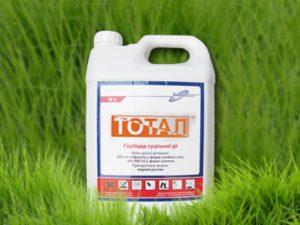
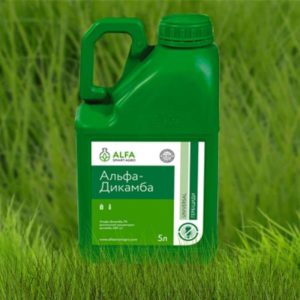
Ragweed germinates from seed later than other weeds, making it extremely difficult to control its seedlings with soil-applied herbicides. For grain crops, sulfonamide urea or 2,4-D-based herbicides are best. However, in sunflower, soybean, and other dicotyledonous crops, controlling this dicotyledonous weed is difficult.

To do this, you need to use the most suitable herbicides:
- "Impex Duo" (analogue - "Eurolighting").
- “Grenadier (analogue – “Granstar”).
- "Helios" (Roundup).
- "Bazagran".
- "Promex" and a number of others.
If ragweed poses a real threat to crops, it is necessary to use several types of herbicides to achieve a comprehensive and prolonged effect.
Mechanical removal
Young ragweed shoots should be pulled out by the roots, as they can regenerate from the remaining bud on the root. Largely overgrown areas should be mowed, plowed, and treated with herbicides to kill seedlings in the early stages.
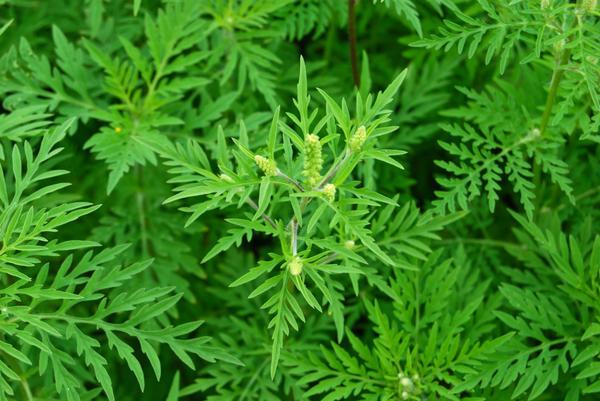
In urban areas, frequent mowing is an effective method. This prevents ragweed from growing and reaching its flowering stage.
It's best to monitor all green areas, preventing any weeds from growing unchecked. Ragweed can creep in unnoticed, and given the number of seeds it produces, even a single bush can become a source of widespread infestation.
Biological agents
In recent years, the uncontrolled use of pesticides has been observed, especially in residential areas, leading to the increasing use of phytoherbicides and plants containing phytoncides. Special fungal and viral preparations are also used that affect ragweed and other hard-to-remove weeds, but do not affect crop and ornamental plants.

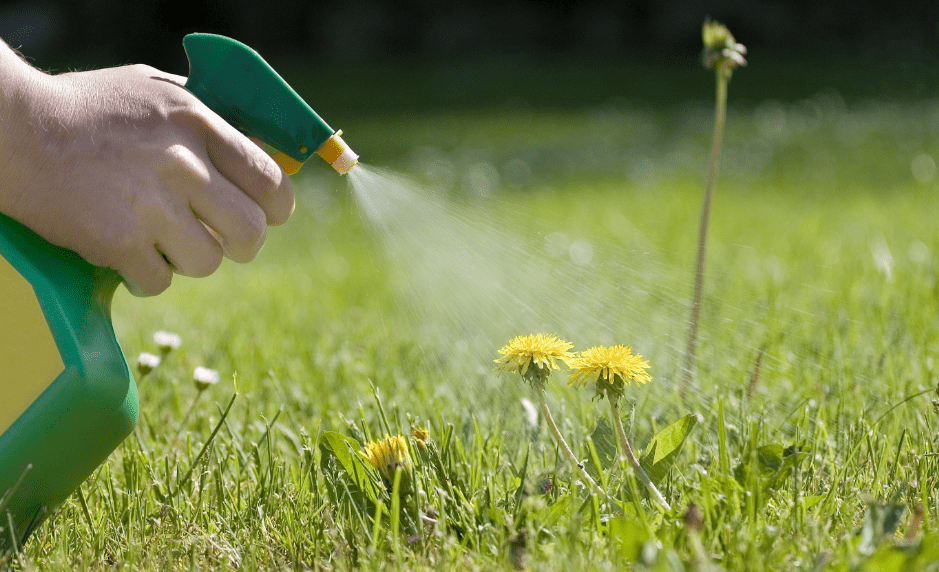
The introduction of advanced methods for the destruction and control of ragweed spread, along with traditional chemical and agronomic techniques, leads to the limitation of the spread of the pest and its gradual displacement.
This is especially important in areas where weeds hinder agricultural development and in close proximity to populated areas, small or large.
Can ragweed be beneficial?
Some believe that ragweed's only usefulness is as an embalming agent. In reality, it has many more uses. In North America, Native Americans used its seeds as food, and its strong fibers were used to make rope.
It is also used in folk medicine to reduce fever, as an analogue of the antimalarial drug quinine, an anthelmintic drug, and a substance that reduces itching from insect bites.
Another useful property is its ability to extract heavy metals, such as lead, from the soil. The grown bushes are uprooted and burned. The purified soil can be used for crops.
Prevention of occurrence
To prevent the spread of ragweed, it's not enough to simply eradicate it systematically using comprehensive methods. It's also necessary to prevent the weed from spreading and establishing itself in new locations.
For this purpose, it's helpful to seed vacant plots of land, especially in urban areas, with perennials and lawn grasses. Regular mowing and the formation of a dense turf and green mass will prevent pest seeds from germinating and developing into mature plants.
Vacant areas are quickly colonized by weeds, which may include this dangerous plant. To avoid allergy problems and further spread of the pest, it's important to use all available methods, with a particular emphasis on the least risky method—biological control.
Related posts:
 How to propagate and grow peas, cultivation technology, and care in open ground
 Description of varieties of sowing peas and cultivation, to which family they belong
 How to properly plant peas in a greenhouse and open ground
 Top 7 Herbicides for Horsetail Control and Other Weed Control Methods
 Description and characteristics of the best seeds of pea varieties and types
 How to get rid of couch grass, control measures, and the best herbicides against the weed
 The benefits and harms of red beans for the human body: for women, men, and children
 How to control onion flies using natural and chemical methods