
- What is creeping wheatgrass?
- What danger does a weed pose?
- How to fight
- Suitable herbicides
- Continuous action
- Electoral
- Using organic farming principles
- Green manure
- EM preparations
- Mulching the soil
- Agrotechnical methods
- Blackout
- Grinding the roots
- Selecting roots
- Effective folk remedies and recipes
- Citric acid
- Ethanol
- Preventive measures against the growth of couch grass on your property
Couch grass is a well-known, noxious weed in agriculture. It grows rapidly and severely inhibits crops. Special herbicides are used to control it. Let's look at the different herbicides available for couch grass, how to control it using organic farming methods, agricultural practices, and folk remedies. How to prevent the weed from spreading in your garden.
What is creeping wheatgrass?
Couch grass is a plant from the Poaceae family with a typical structure. There are several dozen species of couch grass, but the most pernicious weed is creeping couch grass. This resilient plant quickly reproduces by seed and takes root. Couch grass can infest both agricultural fields and private gardens. It's difficult to eradicate, and it can take several seasons to eradicate.
Couch grass reproduces easily by seeds and rhizomes, and under favorable conditions—when the weed has sufficient nutrients, moisture, and light—vegetative propagation predominates. The roots expand and branch in various directions, and the root mass per square meter can reach 2.5 kg. Growth buds begin to grow with the onset of spring and can penetrate not only the soil but also obstacles such as potato tubers and thin, rotten boards. This ability gives the plant its name.
The seeds have excellent viability and germination rates; once they fall into the ground, they can germinate for up to 12 years. Couch grass is cold-resistant; its roots don't freeze even in severe frosts.
What danger does a weed pose?
The plant begins growing early in the spring, drawing significant nutrients and moisture from the soil, which inhibits the growth of any crop that isn't as fast-growing and easy-to-grow. As a result, crops develop poorly, and yields decline.

How to fight
Couch grass is controlled by spraying weeds with herbicides and other methods of eradication. Using all these methods together, in a comprehensive manner, will produce a faster, more powerful, and more reliable effect.
Suitable herbicides
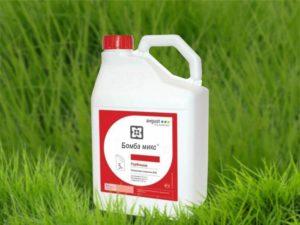
To combat this persistent weed, products have been developed that suppress and destroy it. These products contain active ingredients that target grass weeds. To combat couch grass, both non-selective and selective products are used. The most powerful products contain glyphosate, a type of organophosphate. These solutions are sprayed on the weeds' leaves. The substance first penetrates the leaves and then moves downwards, into the root system. The weeds die within 1-3 weeks.
Continuous action
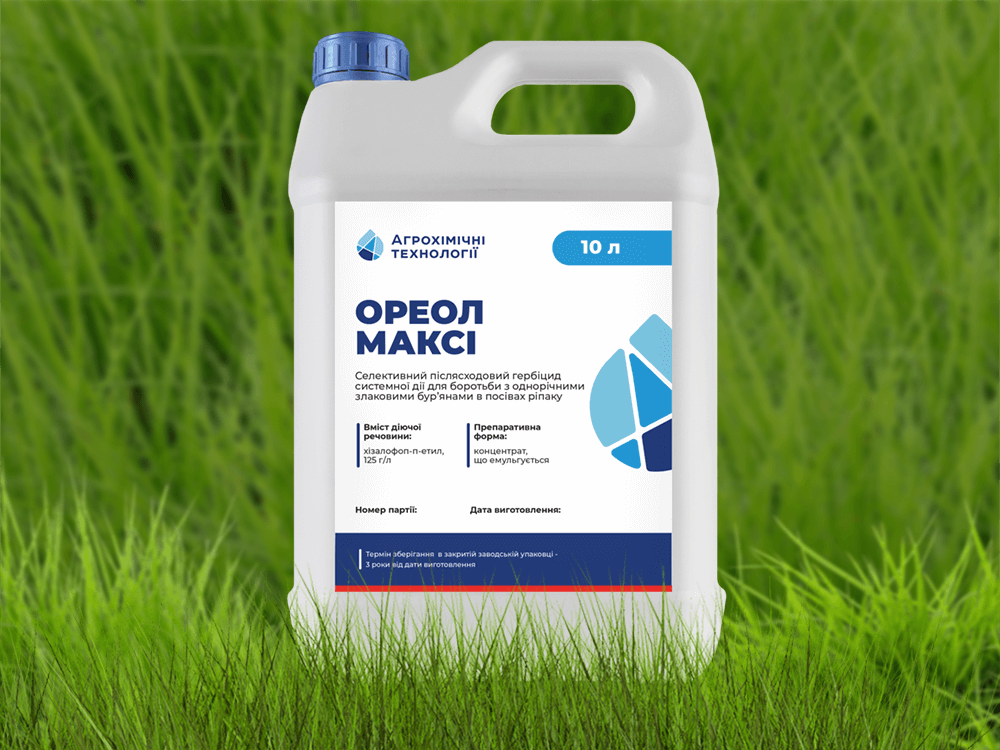
The following preparations are available: Helios, Oreol Maxi, Norvel Maxi, Miura, Kafaro, Antipyrei, Serp, Euro Land, Impex Duo.
Electoral
The preparations "Gezagard", "Uragan Forte", "Napalm", "Rim", "Haruma".
Using organic farming principles
There are other ways to suppress couch grass, such as seeding the infested area with green manure, treating it with biological products, and mulching the soil.
Green manure
Fast-growing legumes and cruciferous plants are sown early in the spring or after the previous crop has been harvested. The green manure grows quickly and manages to suppress the wheatgrass. It is then dug and incorporated into the soil, providing a double benefit—fertilizer is added to the soil. To control the wheatgrass, green manure must be used for several years in a row.

EM preparations
Biological products are designed to combat and protect plants from diseases. They work when used at the manufacturer's recommended dosage. However, if you increase the dosage by an order of magnitude and then apply it to freshly cut weeds, they will die.
The following preparations are used against couch grass: “Siyanie”, “Tamir”, “EM-molasses”, “Guzamat EM universal”, “Baikal EM-1”, “Vozrozhdenie”.
How to use: In the fall, mow all grass in the area to ground level. Immediately, before the cuts dry, apply a concentrated solution of the biopreparation.
Mulching the soil
It's a known fact that a lack of light inhibits all plants, including weeds. If you apply a thick layer of mulch to a patch of couch grass before the weeds begin to grow, they won't germinate. Mulch can be made with any material—straw, hay, pine needles, shredded bark, and pine cones. Organic material not only blocks light from reaching the ground but also, as it gradually decomposes, acts as a fertilizer.
Take a look Also


Agrotechnical methods
You can get rid of pesky weeds using agricultural techniques. Some require time and effort. They are used in areas that are not seeded or planted with crops this season.
Blackout
You can lay thick black agrotextile, thick cardboard, black film, thin boards, and other similar materials on the site. The denser the material, the less sunlight it will transmit and the more reliable it will be. Shading materials won't act as fertilizer, but they will effectively inhibit the growth of couch grass by blocking light, air, and water.
Grinding the roots
Several times per season, the roots of couch grass are trimmed with a sharp shovel. This prevents the plants from developing: nutrients are deprived of the above-ground parts, causing them to die. Gradually, the roots become weakened. Trimming once per season is not enough; the roots need to be trimmed at least once a month.
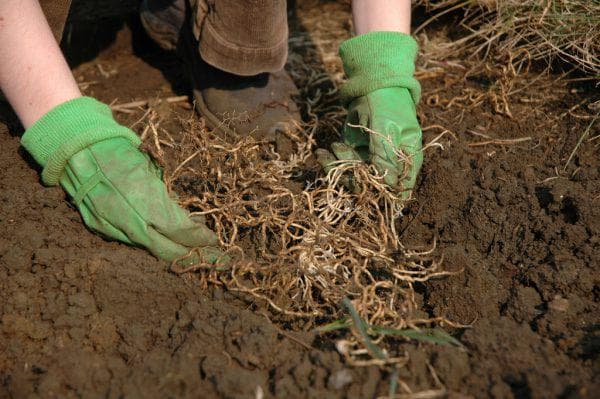
On soft, well-maintained soil, root pulverization can also be accomplished with a cultivator. Using a cultivator will significantly ease the workload and more reliably remove weeds.
Selecting roots
An area overgrown with couch grass is carefully dug over with a pitchfork. Using a shovel is not recommended, as it cuts the roots, leaving behind small pieces that root easily. Then, the soil is raked and the weed roots are removed, trying to find even the smallest ones. Dig twice a season—in spring and fall, before and after the growing season, when the plants are dormant and the roots are easier to dig up. The removed root mass should be collected, removed from the area, dried, and burned.
Effective folk remedies and recipes
In small gardens, you can also use folk remedies. Prepare a solution using readily available ingredients found in any home. They are readily available and inexpensive. The effectiveness of these folk remedies depends on the severity of the weed infestation. If the weed infestation is severe, you may need to repeat the treatment 1-2 more times.
Take a look Also


Citric acid
A concentrated solution is prepared from the substance: dissolve 3 tablespoons of acid in 1 liter of water, stir, and pour into a spray bottle. Thoroughly spray the green wheatgrass. Gradually, the acid inhibits the leaves, causing the plants to wilt.
Ethanol
Spray the soil overgrown with weeds using a 1:10 solution of alcohol and water. This treatment should stop the growth of the harmful plant throughout the season. If weed growth continues, repeat the treatment.
Preventive measures against the growth of couch grass on your property
If couch grass has invaded your garden and has spread, getting rid of it will require some effort. It's much easier to combat it gradually, using preventative measures. For example, dig up your garden beds in the fall and spring, removing all the weed roots. Frequent weeding throughout the season prevents seedlings from growing. Where couch grass has already grown, mow down the green foliage, preventing the weed from flowering and seeding.
You can demarcate the beds with pieces of slate, digging them around the perimeter to a depth of at least 20 cm to prevent the roots from spreading into the fenced area.
Removing weeds from your garden for good can be challenging. But with persistence and a comprehensive approach, using all available methods, you can stop their spread and clear your garden beds of unwanted vegetation. Herbicide treatment is considered the most reliable method, and it's recommended to choose powerful products if you need to get rid of the weed quickly. After clearing the area, it's a good idea to take preventative measures to prevent the harmful plant from returning.
Related posts:
 How to quickly and correctly weed carrots
 A list of herbicides against ragweed and how to get rid of the weed forever
 Instructions for the use of herbicides for potatoes, similar preparations
 Top 7 Herbicides for Horsetail Control and Other Weed Control Methods
 How to get rid of scale insects on lemon trees, control measures, and the best treatments
 How to Fight American Grass Weed – 6 Methods and Weed Prevention
 How to get rid of the click beetle using folk remedies and medications, control measures
 Why plum tree leaves turn yellow and fall off, and the best control measures