
Weeds can cause serious damage to crops. They compete for water and nutrients, deplete and dry out the soil, and steal sunlight from crops by shading them and smothering weak young shoots. Perennial weeds are particularly dangerous. Using herbicides against horsetail, one of the most persistent pests, can save future harvests.
Biological characteristics of the weed
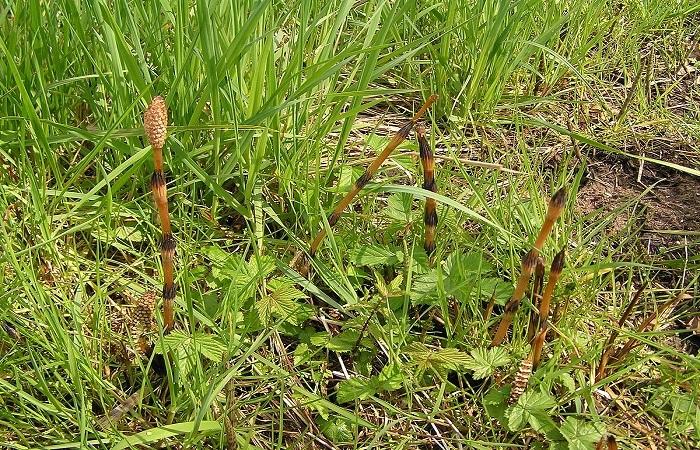
Horsetail is a perennial weed that thrives in moist, acidic soils. It has a long, creeping rhizome and is highly resilient, allowing any remaining root fragments to give rise to new plants. Therefore, mechanical control through manual or mechanized weeding or plowing, even repeated tillage, not only fails to eliminate the weed but also facilitates its spread to nearby areas.
Horsetail has creeping rhizomes up to 180 centimeters long, divided into individual segments containing small nodules storing nutrients. The rhizomes are located at varying depths, extending up to half a meter below the ground surface. This makes mechanical removal difficult, and dividing the root into pieces can lead to the spread of the pest.
How dangerous is it for agricultural crops?
Horsetail is extremely dangerous to agricultural crops, as it is a difficult-to-control, resistant weed. It competes with crops, depriving them of moisture, light, and nutrients, stifling their growth, weakening crops and plantings, and significantly reducing yields.
Herbicides used to control broadleaf weeds are ineffective against horsetail. Furthermore, their use leaves the horsetail without a competitive weed, causing it to grow vigorously, crowding out crops. Therefore, to control horsetail, it's necessary to select the most appropriate herbicide or combination of herbicides that are safe for the crops being grown.
What herbicides can be used to combat it?
Several herbicides are used to kill weeds.
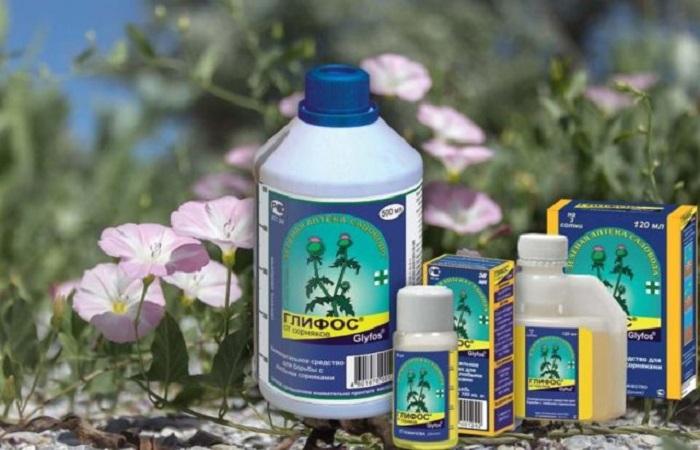
Glyphos
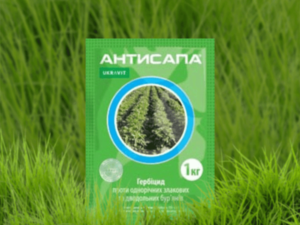
This product has contact and systemic action and is effective against a wide range of weeds. It is ineffective against horsetail on its own; better results can be achieved with tank mixes containing phenoxy acid and sulfonylurea herbicides.
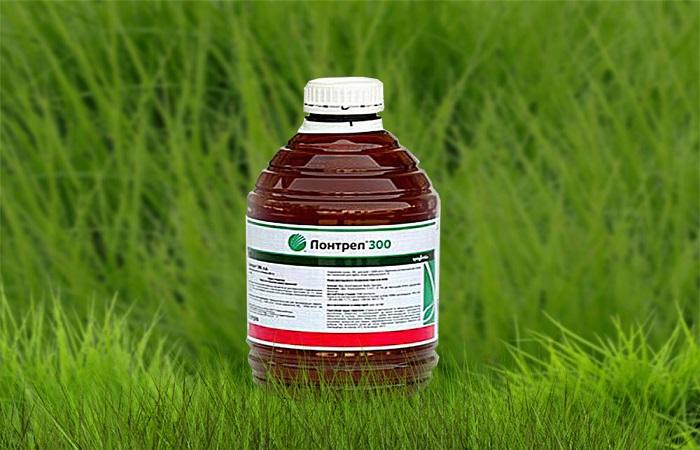
Lontrel-300
This herbicide is used to control persistent annual weeds such as chamomile, knotweed, and buckwheat, as well as perennial pests such as sorrel, dandelion, and sow thistle. It can be used in combination with other herbicides.
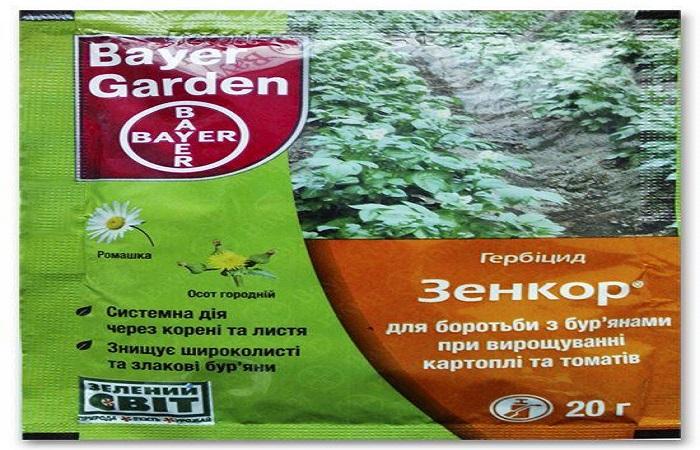
Zenkor
A selective systemic herbicide used against annual broadleaf and grass weeds. It serves as a base for tank mixing with other herbicides and can be applied pre- and post-emergence.
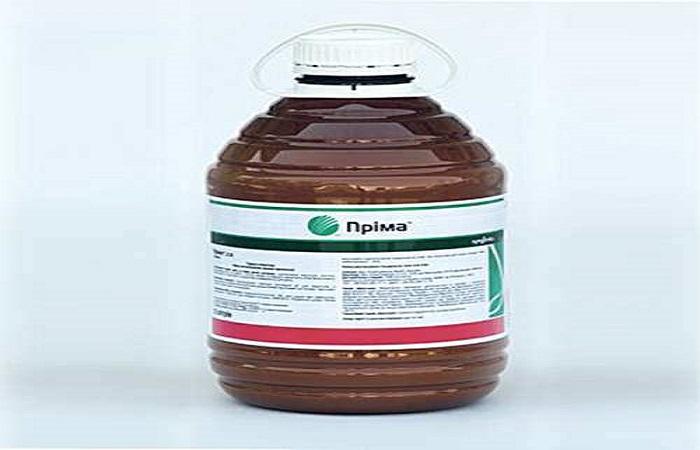
Prima
This is a powerful herbicide that targets a wide range of weeds, has a long application period, and is capable of suppressing the growth of adult noxious weeds.
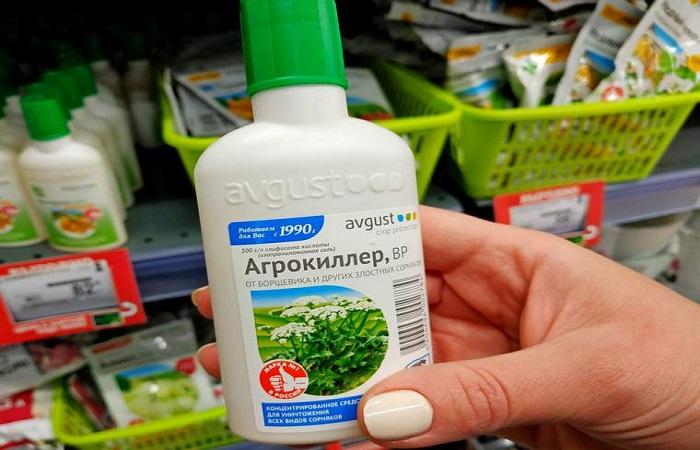
Agrokiller
A concentrated herbicide against resistant annual, biennial and perennial weeds, it causes complete death of the root system and drying out of the pest, and can be applied before sowing, as it has no soil activity.
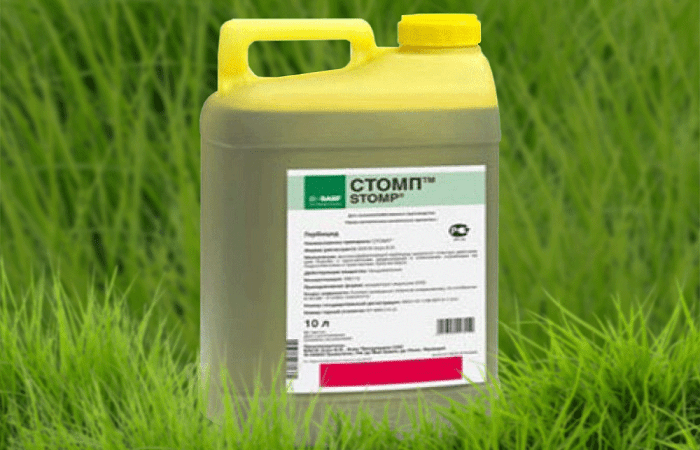
"Stomp"
A preparation against monocotyledonous and cereal weeds, can be applied once, works for up to two months.
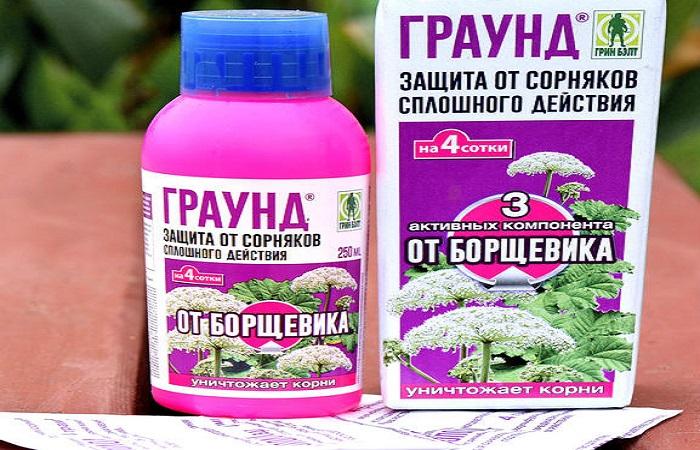
Ground
A systemic, non-selective herbicide that completely eradicates grasses, monocots, and annual and perennial weeds. Applied in the fall, it is completely safe for crop rotation and poses minimal environmental hazard.
Are there other ways to fight?
The use of herbicides against persistent pests is not always possible. When this persistent perennial weed interferes with crop production, other pest control methods must be used.
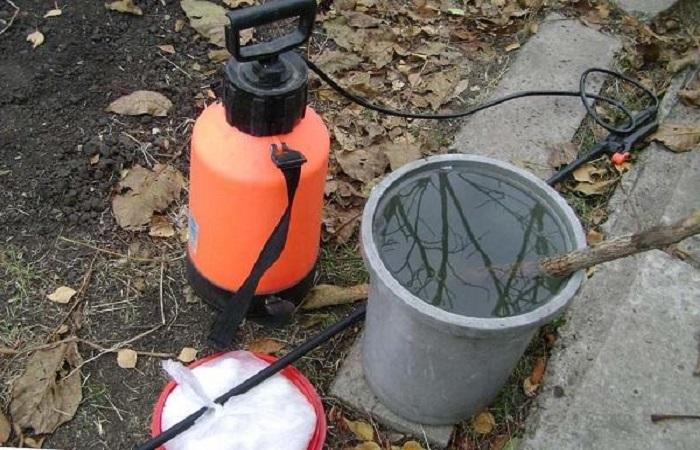
By reducing soil acidity
The plant prefers low-lying, moist soils with high acidity, so the following methods can be used to control it:
- Drying wet areas.
- Reducing soil acidity.
These two measures are interrelated and yield positive results when implemented in combination. Draining the area removes excess moisture, which deprives horsetail of some of its advantages – such soils are less suitable for propagation. However, this weed is adapted to survive, so it thrives even in dry, sandy soils.
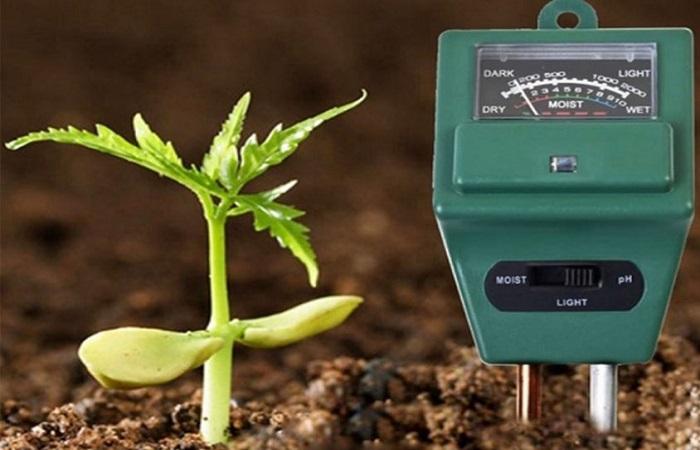
Changing soil acidity is more effective. It can be reduced by adding lime. Liming is most often done in the fall, before winter plowing. The required amount of lime is spread over the soil surface and then plowed in. A chemical neutralization reaction occurs, reducing soil acidity.
This creates unfavourable conditions for the growth of horsetail, which leads to the destruction of the dangerous weed naturally.
Biological control measures
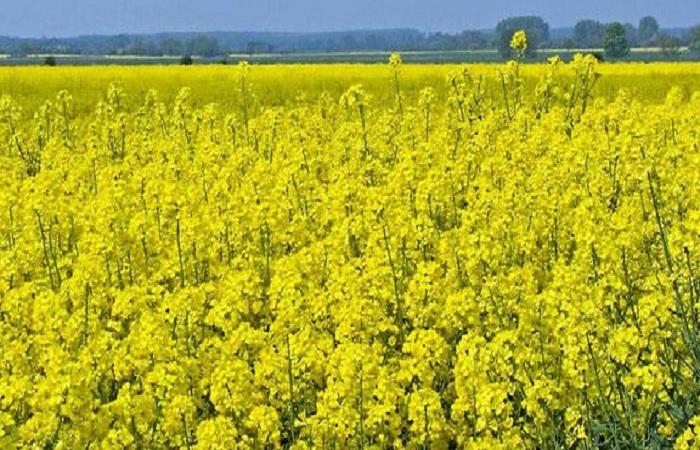
Horsetail can be depleted by regular plowing and rhizome pruning, but greater success can be achieved by using green manure. This can be achieved by autumn sowing of fields cleared by the previous crop with industrial crops or grasses. Green manures that suppress weed growth should be selected. Plants from the Cruciferae family are considered the best, as they not only compete with the weed for sunlight but also release substances into the soil that negatively impact horsetail growth.
Since the weed grows slowly and requires light in its early stages, it can be depleted by using dense mulch or black agrofilm. Another method is to attract birds and insects that feed on horsetail to the fields.
Methods of preventing the occurrence
To prevent the appearance and rapid growth of horsetail, it is necessary to use a full range of available measures:
- Regular plowing and loosening of the soil is essential, as horsetail prefers rich, dense soils. Depletion is the best non-chemical method of controlling horsetail.
- Overly wet areas need to be drained promptly.
- Alkalize acidic soils. This will not only harm weeds but also improve growing conditions for most crops that prefer neutral and slightly alkaline soils.
- Destroy even single horsetail plants by digging them out and carefully removing pieces of rhizomes.
- Use two or three herbicides to kill the weed.
Since horsetail is a persistent perennial weed, its emergence and further spread across large agricultural areas can only be avoided by using a range of protective and preventative measures.
Related posts:
 How to combat late blight on potatoes: description and treatment methods
 Sulfur control of powdery mildew on gooseberries using folk and chemical remedies
 Carrot care guidelines for outdoor cultivation to ensure a good harvest
 Causes and treatment of eggplant pests and diseases, how to combat them at home
 Causes of powdery mildew on zucchini and methods of disease control
 The best grape varieties for growing in the Urals, planting and care rules in summer
 How to quickly and correctly weed carrots
 Description of varieties of sowing peas and cultivation, to which family they belong
I tried using Ground to combat horsetail. I applied it four times—I used up two packages of Ground and wasted my time. Ground doesn't work against horsetail.