Granstar is a highly effective herbicide for the control of annual and perennial broadleaf weeds. It works selectively, applying the solution to barley and wheat crops. It is available in various formulations. To avoid harming agricultural grain crops, it is important to understand the properties of Granstar herbicide, application instructions, and application timing.
What is included in the composition and existing forms of release
The active ingredient is tribenurol-methyl. The concentration is 750 grams per kilogram of product. In addition to the main component, the composition contains homogeneous granules. This product belongs to a group of selective pesticides used for post-emergence weed control. In its pure form, it is a white crystalline powder with a distinct odor. The herbicide is available in water-soluble capsules.
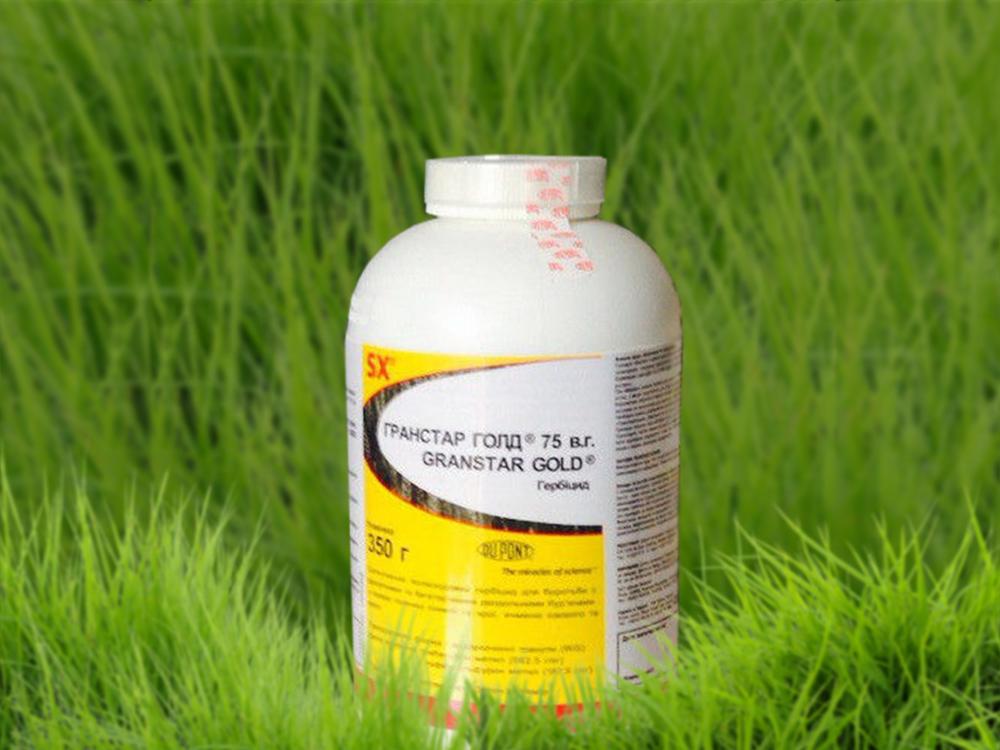
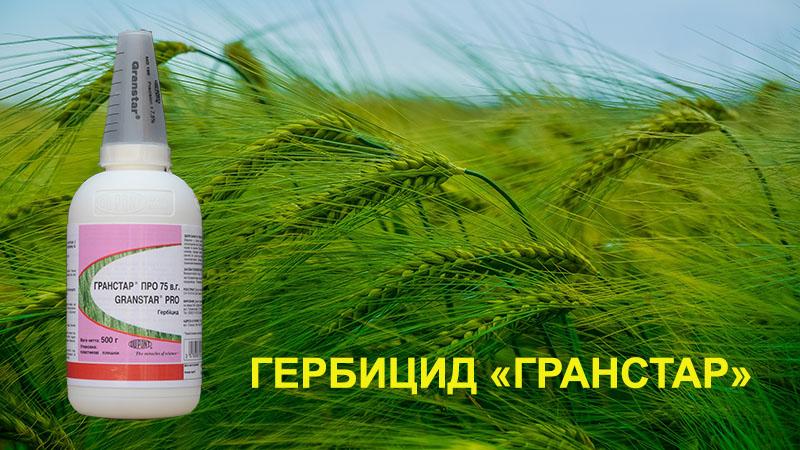
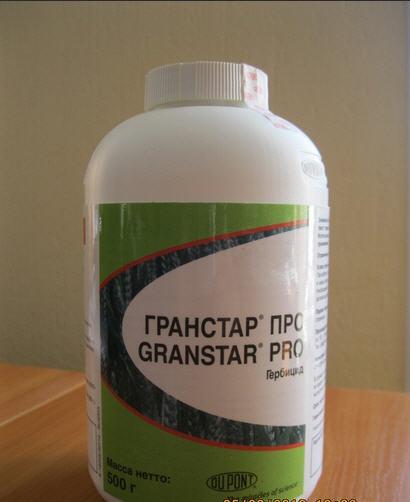
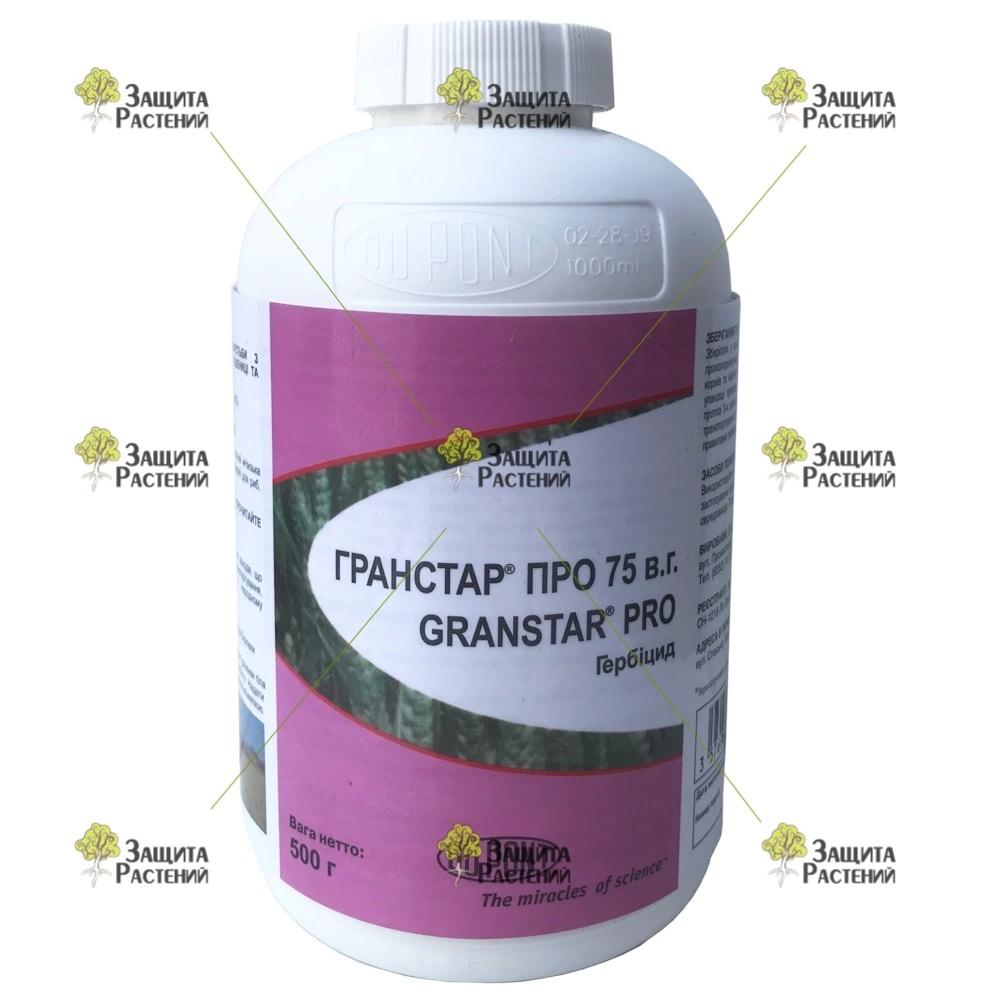
The drug is available for sale in 100- and 500-gram plastic containers. To avoid counterfeit products, pay attention to the hologram on the packaging, which is only present on certified products.
Release forms:
- Granstar Pro is a broad-spectrum powder preparation.
- Granstar Mega is a systemic, highly selective weed control product.
- Granstar Ultra is a broad-spectrum post-emergence chemical.
How does it work and on what herbs?
The active ingredient is systemically active and easily penetrates the weed's tissue structure. It blocks an enzyme involved in metabolic processes, leading to the plant's death. Final death occurs 25 days after the product is applied to any part of the weed.
The agrochemical is used to treat cereal crops:
- spring and winter wheat;
- spring and winter barley;
- oats.

The herbicide is also used to treat sunflowers. The chemical accelerates plant growth and development. The solution is applied to fields by spraying. Granstar destroys broadleaf weeds, including those resistant to 2,4-D and 2M-4X.
Pros and cons
When using agrochemicals, be sure to wear protective equipment: special clothing, latex gloves, and a respirator.
Average consumption rates of the product
The amount of product that needs to be taken for processing is presented in the table:
| Cultures | Consumption rate (kg/l) |
| Cereals | 0.015 |
| Winter crops | 0.01 |
| Oats | 0.02 |
| Wheat, barley | 0.1 |
Preparation of working solution
Prepare the herbicide solution immediately before use. Fill the prepared container halfway with water and add the solution in the amount specified in the instructions. Mix thoroughly, then add water until the desired volume is reached.
Instructions for use
Use Granstar strictly according to the instructions. Treatment is carried out in dry, windless weather with no precipitation. To prepare the solution, use clean water at 20 degrees Celsius. For prolonged action, it is recommended to mix the herbicide with the liquid additive Trend-90.
Security measures
The herbicide is classified as a Class 3 hazard to humans and insects. Therefore, when applying by air, it is recommended to avoid being within the treatment area. During manual application, wear personal protective equipment to prevent eye and respiratory exposure. Granstar should not be used in rainy or windy conditions.
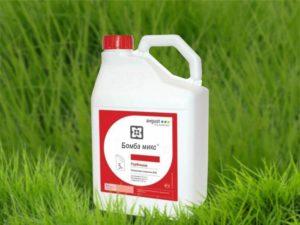

Degree of toxicity
When used according to the manufacturer's instructions, the chemical poses no risk to crop rotation. The product has no toxic effect on cereal crops.
Compatibility with other herbicides
The agrochemical is compatible with most herbicides and insecticides approved for use on cereal crops. Do not combine the product with other chemicals on plants under stress. In these cases, Granstar should be applied sequentially.
Storage rules
Granstar's shelf life is 36 months from the date of manufacture. Store in a dark place away from direct sunlight. The air temperature should be between 0 and 30 degrees Celsius.
Analogues
The systemic post-emergence herbicide "Granstar" has analogues:
- "Gersotil";
- "Formidable Expert";
- Webb;
- "Mistard";
- "Zernodar";
- Alpha-Star;
- Gold Star;
- "Grenadier";
- "Sheriff".
The effective product "Granstar" kills broadleaf weeds within 10 days, with some species seeing results as early as 3 days. Agricultural experts call it the most gentle and effective treatment for cereal crops.
Related posts:
 Instructions for use and composition of the herbicide Express, consumption rate
 Types of fungicides for cucumbers in a greenhouse and instructions for use
 Instructions for using Fitosporin for cucumbers and processing rules
 The best eggplant varieties for growing in a polycarbonate greenhouse: planting and care
 Types of garden fungicides and descriptions of the top 24 best, instructions for use
 Causes and treatment of eggplant pests and diseases, how to combat them at home
 How to control carrot flies with medications and folk remedies
 Is it possible to soak treated cucumber seeds before planting and how to do it correctly?