
Weeds quickly grow in sunflower fields, preventing the crop from feeding and developing properly. To prevent the growth of unwanted vegetation, the herbicide "Kaptora" was developed. The instructions state that the product has both a non-selective and a non-selective effect. This highly effective pesticide controls common weed species, including broomrape, which is known for its resistance to pesticides.
Composition and existing forms of release
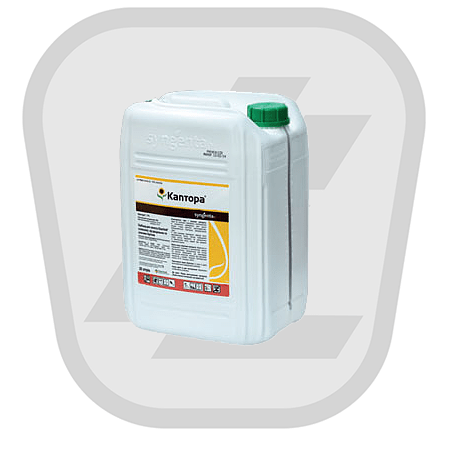
This agrochemical belongs to the chemical class of imidazolinones. The two-component formulation contains imazamox (33 grams per liter) and imazapyr (15 grams per liter). It is supplied as a water-soluble concentrate in 5- and 20-liter canisters.
Pros and cons
The pesticide has virtually no disadvantages, except for limitations in use.
Purpose and how does it work?
The drug's mechanism of action is based on reducing or completely inhibiting the activity of the plant enzyme acetolactate synthase, a substance involved in the biosynthesis of amino acids. This systemic herbicide effectively controls grain and broadleaf weeds in sunflower crops. The active ingredient penetrates leaves and roots, travels through the xylem, and reaches cell growth sites, inhibiting their proliferation. It is effective against broomrape, a plant resistant to various pesticides.

Consumption rates for different plants
Detailed instructions for the use of Captor are provided in the table:
| Consumption rate l/ha | Culture | Harmful objects | Processing technology |
| 1-1.2 | Sunflower varieties and hybrids | Annual and perennial cereal weeds | Spray during the early growth and development period, before 2-4 leaves appear. The application rate of the working solution is 200-300 l/ha. |
How to prepare a working solution?
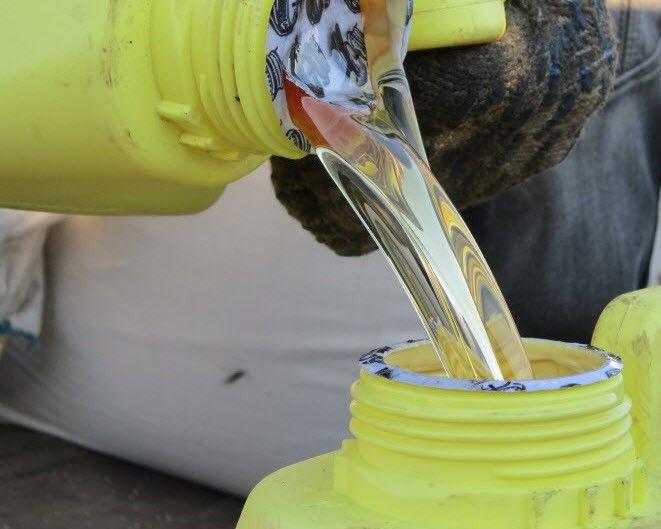
The working solution is prepared on the day of treatment, as it cannot be stored. To prepare the solution, prepare a clean container and fill it halfway with water. Add the required amount of pesticide and mix until a uniform consistency is achieved. Add more water if necessary.
Instructions for use
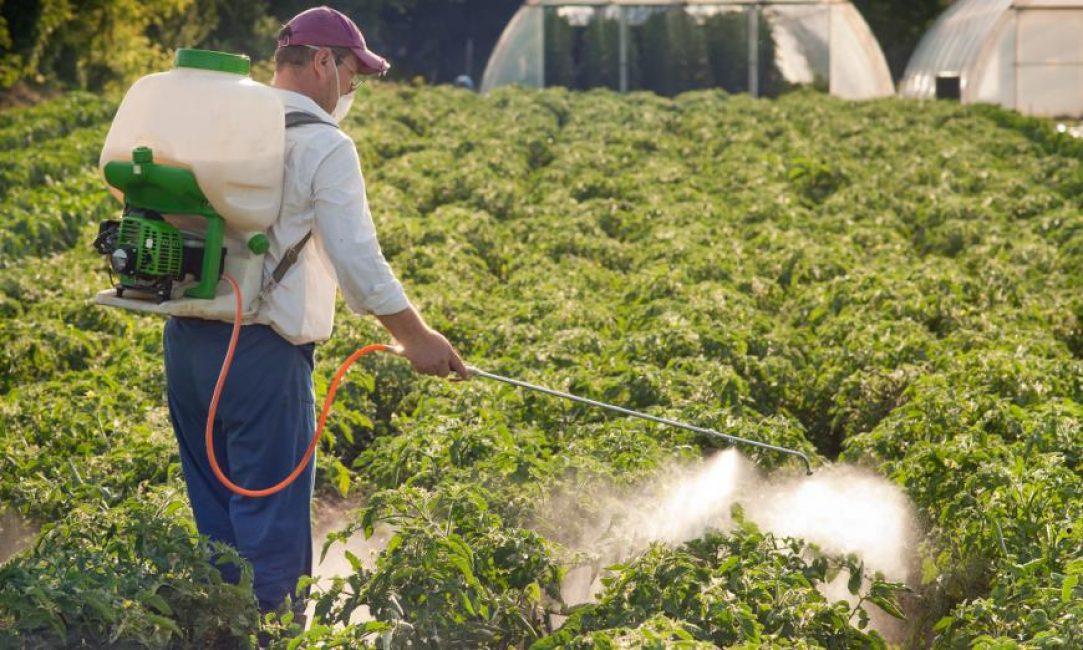
Spraying is carried out in dry, windless weather, avoiding contact with adjacent crops. The air temperature should be between 10 and 30 degrees Celsius. Treatment is carried out once using sprayers. After rain, the procedure is resumed three days later. Treatment can be carried out during the sunflower growth period, when the second to eight true leaves emerge. Spray the solution carefully, trying to avoid double dosing, as this will kill the crops.
Security measures
When handling the chemical, wear protective clothing, a mask, and gloves. Spraying plants near open water is prohibited. If the chemical comes into contact with skin or mucous membranes, seek immediate medical attention.
For further use of the crop as animal feed, permission must be obtained from the relevant authorities.
Degree of toxicity
The herbicide "Kaptor" is classified as hazard class 3 for humans and pollinated insects. It is important to observe safety precautions when working with the pesticide. Do not work in windy conditions, and keep children and animals away from the treatment area.
Do not spray the chemical within 3 kilometers of the apiary. Do not clean equipment after using the chemical in areas with drinking water.
Possible compatibility
The herbicide cannot be used in combination with other agrochemicals, as it is a potent substance. The pesticide also should not be used in combination with mineral fertilizers.

How and for how long can it be stored?
Store the product in a tightly sealed container in a pesticide storage facility. The storage temperature should be between -10 and +40°C. The shelf life is 3 years.
Analogues
Similar means include:
- "Agro-Light";
- "Euro-Lightning Plus"
- Eurochans;
- "Imquant Super";
- Impex Duo;
- "Mantra" and others.
"Kaptor" is a reliable method for weed control in sunflower crops. It offers a long protective period and is easy to use.
Related posts:
 Composition and instructions for use of the herbicide Ballet, application rates and analogues
 Instructions for use and composition of the herbicide Axial, dosage and analogues
 Instructions for use and composition of the herbicide Galigan, dosage and analogues
 Top 10 Systemic Herbicides and How to Choose the Right One
 Instructions for use and composition of the herbicide Puma Super 100, application rates
 Composition and instructions for use of the herbicide Panther, application rates
 Instructions for use and composition of the herbicide Miura, application rates and analogues
 Instructions for use and composition of the herbicide Lornet, application rates and analogues