
- Composition, existing forms of release and purpose
- Advantages of the herbicide
- Mechanism of operation
- How quickly does it work?
- Preparation of working solution
- How to use it correctly and in what dosages
- Safety precautions and how toxic is it?
- Is compatibility possible?
- How to store it correctly and for how long
- Similar drugs
Herbicides are a group of agrochemicals designed to control weeds over large areas of crops. Manufacturers offer products suitable for fields sown with cereals, forage grasses, and other crops. The herbicide "Tapir" is used for soybean and pea crops. The product's features, capabilities, and instructions for use are discussed below.
Composition, existing forms of release and purpose
Tapir is a selective herbicide. After treatment, it attacks broadleaf and grass weeds in soybean and legume crops. This systemic pesticide belongs to the chemical class of imidazolinones and is a single-component product.
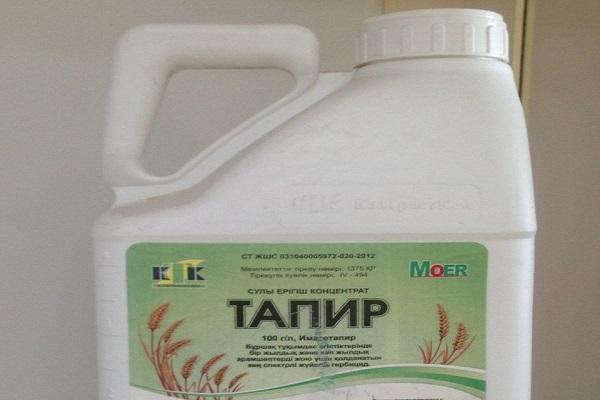
The active ingredient in Tapir is imazethapyr, which is present in the product at a concentration of 100 grams per liter. The herbicide is marketed as a water-soluble concentrate, packaged in 10-liter plastic canisters. The packaging contains information about its purpose, instructions for use, and the manufacturer of the herbicide. It is produced by Agro Expert Group.
Advantages of the herbicide
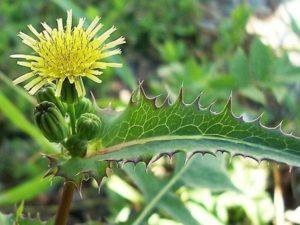
"Tapir" destroys: various types of cocklebur, barnyard grass, wild non-scented chamomile, shepherd's purse, pink sow thistle, field broom, black nightshade, white goosefoot, medium chickweed, medicinal fumitory, wild oat grass, all varieties of foxtail and other types of weeds.
Its advantages include:
- economical consumption, the product is non-volatile, therefore losses during processing are minimal;
- impact on various types of cereal and dicotyledonous weeds;
- the ability to choose the timing of treatment; spraying can be carried out before sowing (for soybeans), before emergence (for soybeans and peas), after seed germination;
- one treatment per growing season is sufficient;
- effective against perennial weeds typical of legumes.
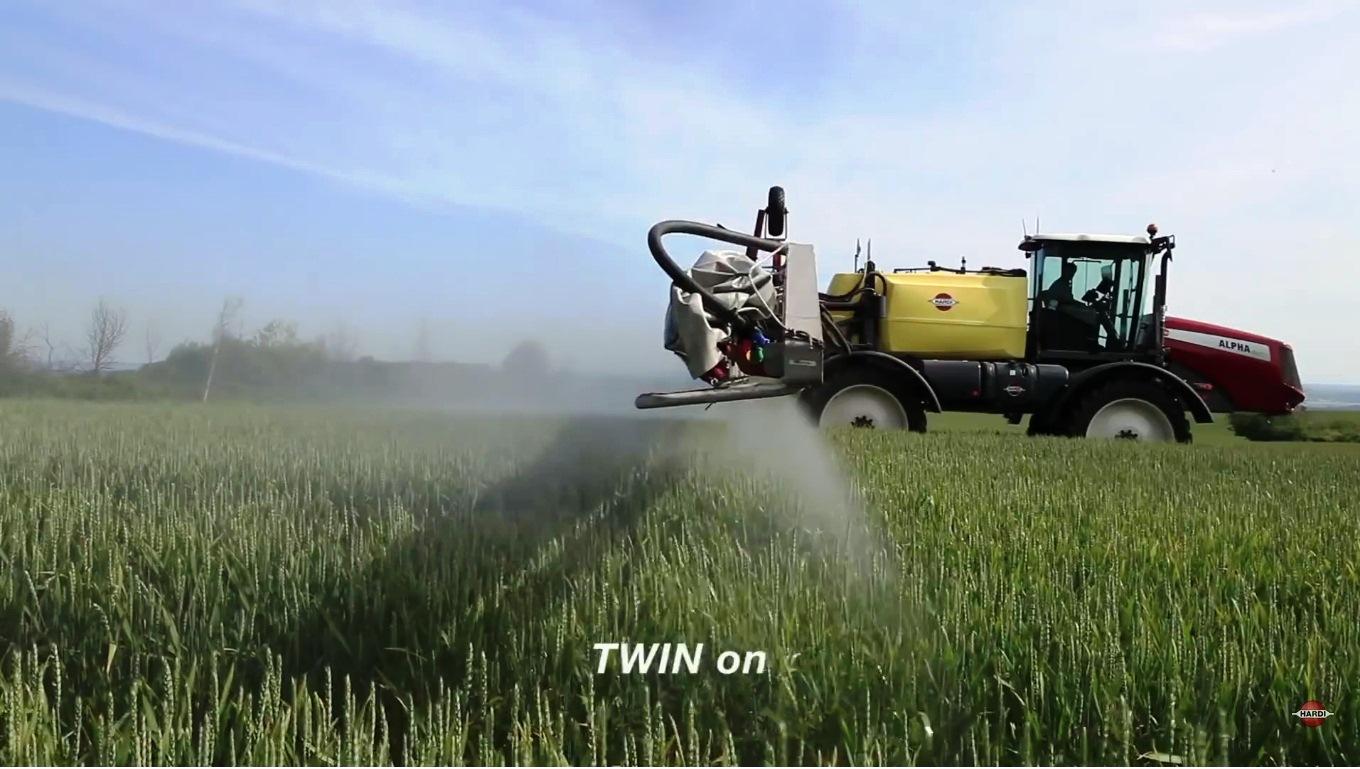
The consumption rate of the working solution of the preparation is 200-300 liters per hectare.
Mechanism of operation
The product penetrates the weeds' root system and leaves, reducing the production of amino acids essential for plant growth and development. It affects DNA, halts cell division, and causes the death of the pest plants.

How quickly does it work?
The first signs of effects are observed 5-7 days after treatment. Plant leaves become discolored and brown, stems become deformed, growth slows, and within 3-4 weeks, the weeds are completely eradicated.
Preparation of working solution
It is prepared before spraying and stored for no more than 24 hours. Water is added to the tank to a volume of 1/3 of its capacity. The concentrated product is thoroughly mixed, the manufacturer's recommended amount is measured, and it is slightly diluted with water while stirring constantly. Tapir is poured into the tank, and the remaining water is added with the mixer running.

How to use it correctly and in what dosages
The manufacturer's instructions contain detailed dosage information. When applying the product before sowing seeds (for soybeans), the soil should be loose, with no clods larger than 2 centimeters and the product should not be incorporated deeply (more than 5 centimeters). When applying after sowing, the field should be cleared of plant debris.
Post-emergence spraying is the most effective. Do not increase the concentration of Tapir when preparing the working solution. Inter-row cultivation should be carried out no earlier than 14-20 days after spraying.
Safety precautions and how toxic is it?
The product is classified as hazard class 3 (moderate toxicity) for humans and bees. It is not intended for use in water bodies protected by nature. The working solution is prepared in specially equipped areas. These areas are located away from residential areas and areas where pets and poultry are kept.
Is compatibility possible?
The preparation is compatible with agrochemicals based on bentazone.
Important: Do not use sulfonylureas or imidazolinones in areas treated with Tapir during the growing season. Do not use Tapir in mixtures with grass-control herbicides.

How to store it correctly and for how long
Herbicides are stored indoors away from food and animal feed. They must be stored in their original packaging, which must be tightly sealed. Tapir canisters must bear the manufacturer's information regarding the product's trade name and instructions for use. The herbicide's shelf life is two years from the date of manufacture. Storage temperature range: 0 to +30°C.
Similar drugs
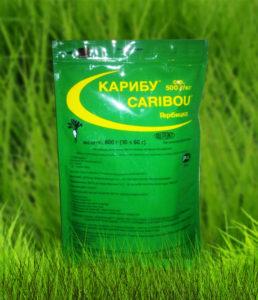
The following are identical in their active ingredients to Tapir: Golf VK, Serp VRK, Zeta VRK, Sapphire VRK, Pivot VK.
Related posts:
 The best eggplant varieties for growing in a polycarbonate greenhouse: planting and care
 Is it possible to soak treated cucumber seeds before planting and how to do it correctly?
 Methods for planting and propagating cherries at home
 How to properly plant peas in a greenhouse and open ground
 How to propagate and grow peas, cultivation technology, and care in open ground
 The best grape varieties for growing in the Urals, planting and care rules in summer
 Description of varieties of sowing peas and cultivation, to which family they belong
 Instructions for using green soap against plant pests and its composition