
Irrigating and fertilizing a plot creates favorable conditions for the growth of not only crops but also weeds. Therefore, it is advisable to use Target, a systemic herbicide for controlling annual and perennial weeds. When irrigating, keep in mind that the effectiveness of the treatment depends on the uniform distribution of the solution across the plot.
Composition, dosage form and purpose
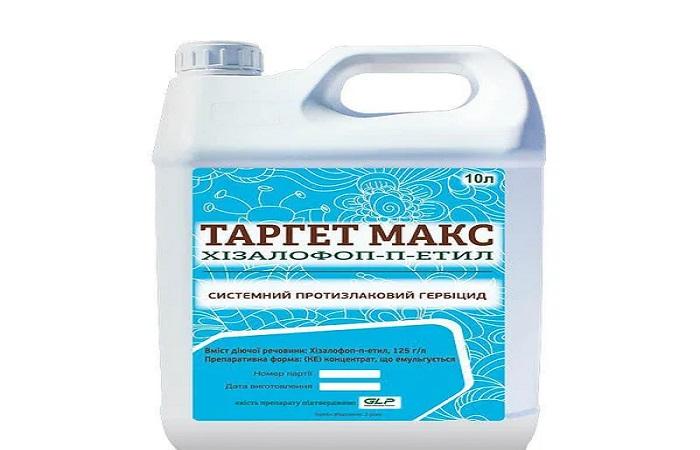
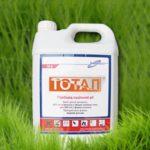
This post-emergence herbicide is available as a concentrated emulsion. The active ingredient, quizalofop-P-ethyl, kills weeds by accumulating in the rhizome nodes. Target is effective against both annual and perennial grass weeds.
How it works and how quickly the effect appears
When sprayed on weeds, the active ingredient is absorbed by their leaf blades, inhibiting fatty acid biosynthesis. The solution is quickly absorbed and transported throughout the plant. Annual weeds die within 5-7 days. Perennial weeds die within 2-3 weeks. Target also prevents secondary root growth in perennial weeds.
Advantages and disadvantages
When treating weeds, the herbicide destroys both the above-ground parts of the plant and the root system. The product also offers other advantages:
- the product is effective in combating annual and perennial weeds;
- flexible terms of application;
- compatible with other herbicides.
Among the disadvantages, it is necessary to note the toxicity for humans when exposed to large doses by inhalation.
Calculation of consumption
When treating areas, the consumption rates of the preparation recommended by the manufacturer should be taken into account:
| Cultivated crop | Types of weeds | Consumption rate l/ha | Features of application |
| Sugar beet | annual cereals | 1-2 | weeds are sprayed at the 2-4 leaf stage |
| Sugar beet | perennials, including couch grass | 2-3 | treat wheatgrass that has grown to a height of 10-15 cm |
| Potato | annuals and perennials | 2-4 | Weeds are sprayed in the 2-4 leaf stage; couch grass is sprayed when it reaches a height of 10-15 cm. |
Preparing the working mixture and how to use it
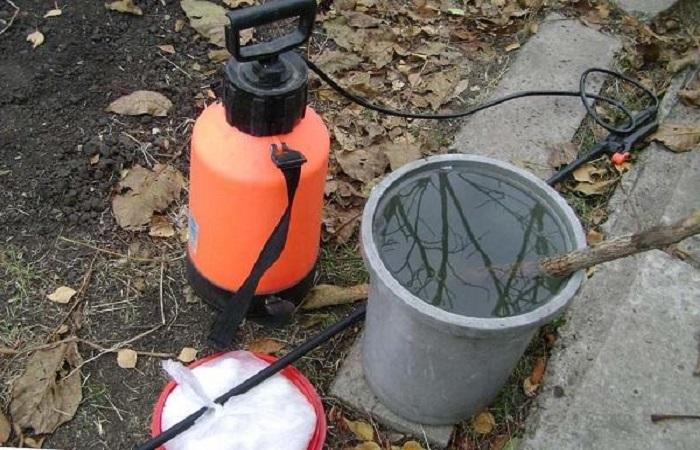
To prepare a working solution, you must follow the instructions for diluting the concentrated emulsion:
- the required dose of the drug is diluted with a small amount of water;
- the spray tank is filled one third with water;
- The herbicide solution is poured into the tank, stirring the contents.
Safety precautions
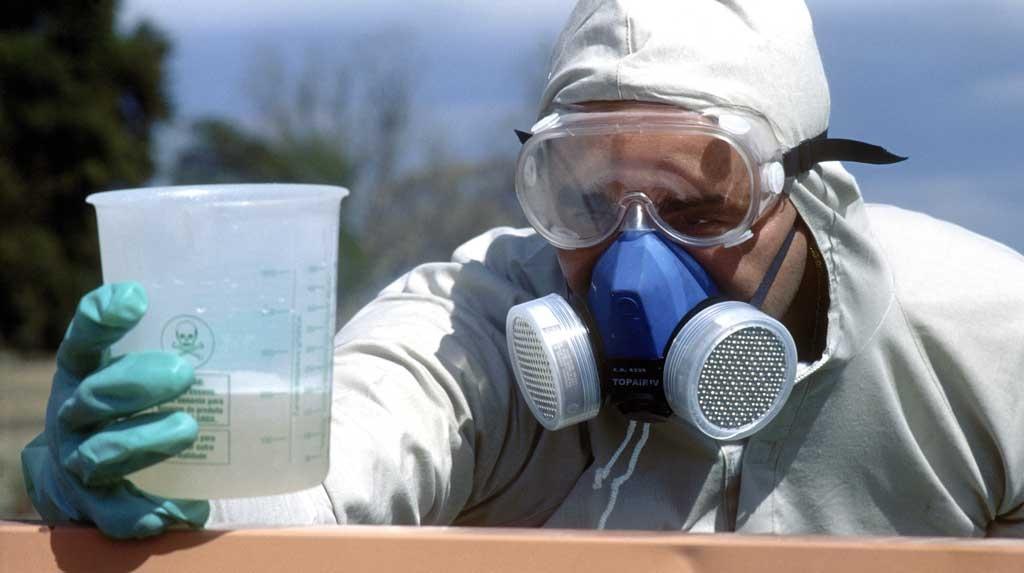
When spraying and preparing a working solution, you must adhere to certain rules:
- personal protective equipment is used (respirator, glasses, gloves, clothing);
- During the spraying process, do not smoke or eat;
- After work, you need to wash your hands and wash your face under running water.
Spraying should be carried out in calm, dry weather.
How toxic is it?
The herbicide is classified as a Class 3 hazard to humans. The active ingredient is moderately toxic and does not irritate the skin, but it can cause irritation to the mucous membranes if it comes into contact with the eyes. Symptoms of acute poisoning include convulsions, decreased motor activity, and bloody discharge around the mouth and nose.
The product decomposes quickly in the soil (half-life is one week). Therefore, its use can be omitted when developing a crop rotation plan.

Possible compatibility
Manufacturers note the compatibility of Target with other herbicides. When preparing tank mixes, select products specifically designed for broadleaf weed control.
How to store it correctly and for how long
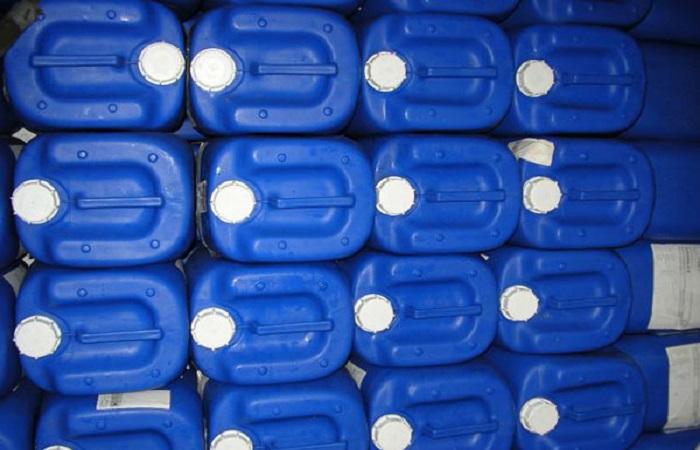
The product has a shelf life of 2 years. Recommended storage temperature range: 0°C to 30°C. It is recommended to store herbicide canisters in a separate room. This room should not be used for storing animal feed or food products.
Analogues
Herbicides containing quizalofop-P-ethyl can be used to control annual and perennial grass weeds. Popular products include Geyser, Hermes, Miura, Targa Super, and Rangoli-Targon-S.
Using herbicides significantly simplifies the cultivation of crops. When preparing a working solution, it's important to follow the manufacturer's recommendations to ensure the herbicide is effective against weeds and has low toxicity to crops.
Related posts:
 The best eggplant varieties for growing in a polycarbonate greenhouse: planting and care
 How to make a garden bed from scratch without grass and weeds: ideas and methods with and without weeding
 Instructions for use of the weed killer Glider, dosage, and analogues
 Instructions for use of Cassius and the herbicide composition, dosage, and analogues
 Is it possible to grow an apricot tree from a seed in your garden? How to plant and care for it?
 Composition and instructions for use of the herbicide Total, application rate and analogues
 Instructions for use and composition of Glyphora for weed control, dosage, and analogues
 Instructions for use and composition of the herbicide Lornet, application rates and analogues