
- History of selection and region of breeding
- Pros and cons of the Chudesnitsa pear variety
- Description and characteristics
- Optimal conditions for growing
- Size and annual growth of the tree
- Lifespan
- All about fruiting
- Flowering and pollinators
- Ripening time and harvest
- Tasting evaluation and scope of application of pears
- Productivity and transportability
- Susceptibility to diseases and insect pests
- Resistance to low temperatures and drought
- Planting a pear tree
- Selecting and preparing a landing site
- Dimensions and depth of the planting hole
- How to prepare a seedling
- Timing and technology of planting operations
- Further care
- Watering mode
- Top dressing
- Whitewash
- Crown formation
- Seasonal treatments
- Preparing for winter
- Reproduction methods
- Gardeners' reviews of the Chudesnitsa pear
The Chudesnitsa pear is the brainchild of several breeders who were trying to develop a low-maintenance variety that would offer high winter hardiness and excellent fruit quality. It also needed to be immune to most diseases and offer a long shelf life. Everything worked out. This variety has become a favorite among gardeners and homesteaders, who have been cultivating it in their gardens for many years.
History of selection and region of breeding
This pear variety was created by hybridizing the Daughter of Zari and Talagarskaya Krasavitsa varieties. The resulting "child" combines the best qualities of its "parents": good yield, tasty fruit, and frost resistance.
This variety gained popularity about twenty years ago. It was bred for central Russia, but it thrives not only in Russia but also in Moldova, Belarus, Ukraine, and Kazakhstan.
Pros and cons of the Chudesnitsa pear variety
It might seem like an ordinary pear, and its fruits are loved by many. But it has both advantages and disadvantages.
Its advantages include excellent yields and frost tolerance. The variety boasts high resistance to pests and diseases, and its crown is compact.
The only drawback is that the shoots grow too high, requiring annual pruning in the spring. Otherwise the fruits will be very small.
Description and characteristics
Scientists worked for over two years to create this variety. But the effort was worth it.
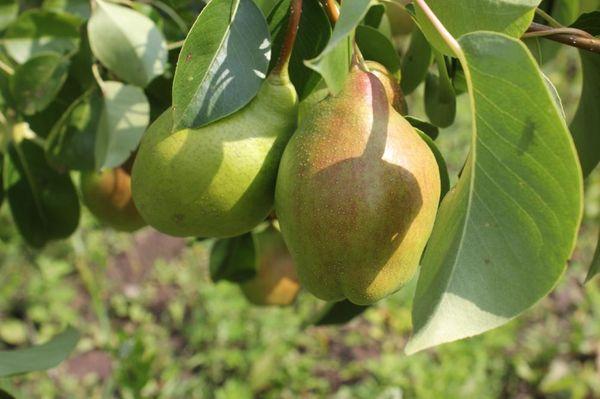
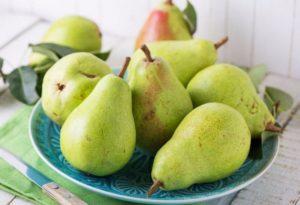
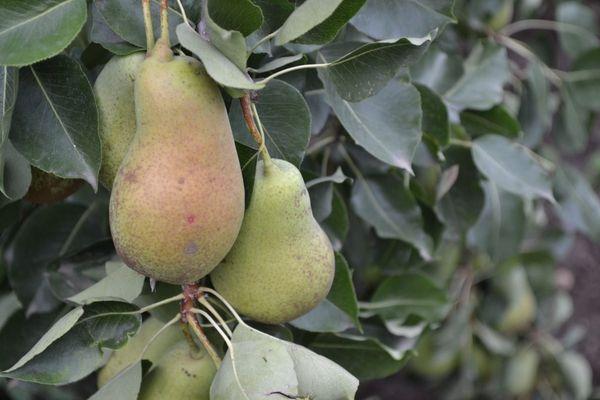
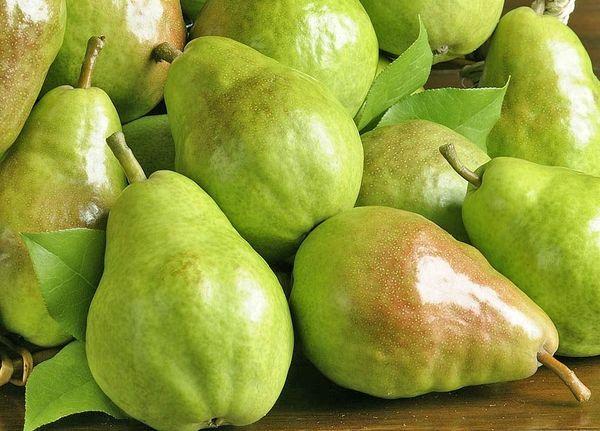
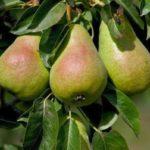
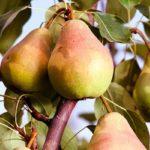
Visually, the pears are elongated and large. Each fruit weighs 130-210 g. If the harvest contains many small pears, it means the gardener hasn't been caring for the tree properly.
The smooth skin of pears has a waxy coating. As they ripen, the fruit turns emerald green. After prolonged storage, the color turns yellow, with a pink blush on the sides.
The description of the variety may include the following information:
- The taste is sweet, but there is a hint of slight sourness.
- There is no astringency.
- The pear pulp is milky-cream in color.
- The fruits have a floral aroma.
These pears can be used to make not only compote and preserves, but also jam, marshmallows, and many other delicious treats. This variety has been grown commercially for export for over ten years.
The seeds are small and brown. Because the stem is strong and curved, the pears hold well, a big plus for gardeners.
The fruits of this variety are considered winter fruits. The pear doesn't require pollinators, but their presence will be beneficial.
Optimal conditions for growing
This pear tree requires care like other fruit trees. After planting, the seedlings are pruned, and the central branch should be shortened to 50-60 cm. No more than four side shoots are left, each facing in different directions. These are also pruned by a third. Later, during pruning, gardeners create a layered crown.
You must not allow the crown to become too dense, as this will cause the fruits to be much smaller in size.
Size and annual growth of the tree
The tree averages three meters in height. New shoots form quickly.
Lifespan
A tree's lifespan is fifteen to twenty years. Much depends on proper care, planting location, and watering.
All about fruiting
This pear variety has mixed fruiting. The fruits are quite large, weighing up to 210 grams.
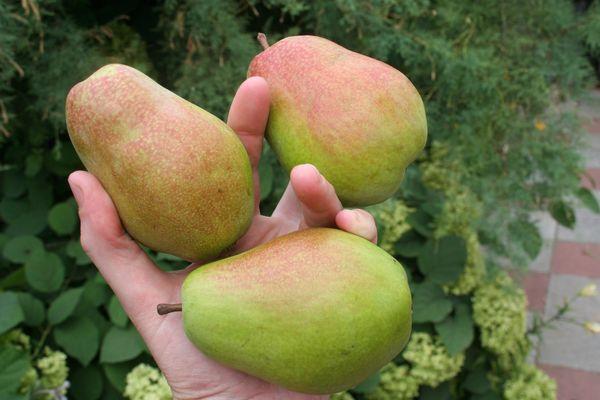
The flesh is milky beige, juicy, and sweet. No astringency or tartness.
Flowering and pollinators
This variety has a low level of self-fertility. If a gardener wants a good, consistent harvest, it's best to plant these pear trees near other pear varieties. Pollinators can include pears of the Pamyati Yakovlev type or Fairy tales.
Ripening time and harvest
The fruits reach maturity by the second ten days of September. They don't fall off, clinging tightly to the branches. To ensure full ripening, the pears need to be kept in a dry place for a month after picking.
Tasting evaluation and scope of application of pears
Tasting score: 4.3 points out of a possible five.
The fruits have versatile uses. They can be eaten freshly picked, or they can be stored for further processing.
When the fruits are boiled, you can see an amber hue and smell a pleasant aroma.
Productivity and transportability
The pear tree begins to bear fruit approximately in the fifth or sixth year after it is planted in a permanent location.
On average, the yield is 130 c/ha.
The fruit is suitable for long-distance transportation. Its shelf life is above average. In a cool place, the fruit can be stored for 120 to 150 days.
Susceptibility to diseases and insect pests
This variety tolerates fungal diseases well. It is slightly susceptible to pear leafhopper. These insects secrete a sticky liquid that sticks to the stems, shoots, and fruit. The fruit then becomes smaller and loses its flavor.
The variety requires preventative pruning against pests.
Resistance to low temperatures and drought
Trees of this variety have a high level of frost resistance. As part of an experiment, the trees were artificially frozen, dropping the temperature to -38°C. The cambium layer suffered only 0.7 damage points. The bark and xylem showed no signs of frost damage.
Important information! If the pear tree is grown in northern regions, its trunk must be additionally insulated to prevent damage to the bark.
This species also tolerates drought well because the mature tree's root system provides its own moisture. When a young tree is planted and there is no seasonal rainfall, it needs regular watering. The moisture level around the root zone should be monitored for the first three years.
Planting a pear tree
If a gardener wants a pear tree to thrive and produce a high and consistent yield, they must follow planting and placement guidelines. Ignoring these guidelines will result in lower yields than expected.
Selecting and preparing a landing site
This crop is quite undemanding: it can be grown anywhere and in any type of soil. However, black soil or loamy soil is preferable.
It is important to drain the hole in which the tree will be planted.
This prevents root rot. Drainage consists of dry twigs, gravel, pieces of brick, and crushed stone.
It's best to plant pears in a well-lit area protected from drafts and winds. Groundwater should be at least 2.5 meters below the soil surface.
Dimensions and depth of the planting hole
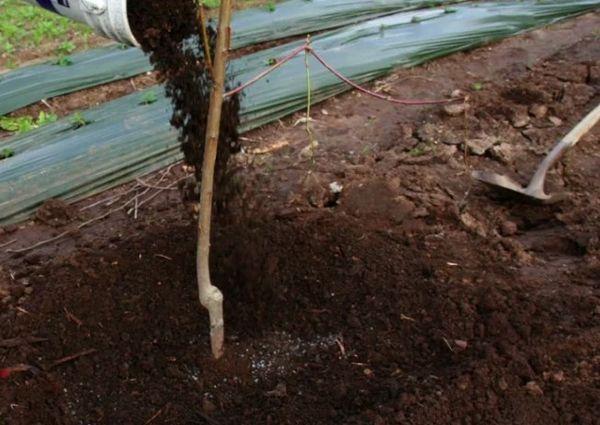
The hole should be 0.7 x 1 m in size. The infertile soil layer should be removed, and the bottom drained. The fertile soil will absorb the mixtures containing mineral and organic fertilizers.
After filling the hole a little, soak it with water. This will help the soil settle and compact.
How to prepare a seedling
It's recommended to plant one- or two-year-old trees 0.7-0.9 meters tall, which will ensure they take root well in their new location. Agronomists advise that seedlings should have a distinct taproot, as these are more resilient.
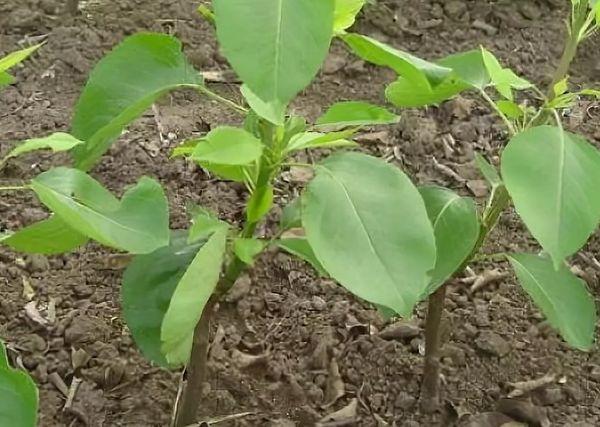
The bark of the young trees should be free of any damage or deformation. The root system should be soaked in water for 24 hours before planting to initiate active growth.
Timing and technology of planting operations
Planting should be done either in the fall or spring. Warm weather is key. If the gardener chooses fall, keep in mind that the young seedling needs time to root well before winter. Therefore, planting should be done no later than a month before the onset of permanent frost. In spring, no later than the end of April, as warm weather "activates" the growing season, which impedes root development.
Further care
To ensure a bountiful harvest, you should regularly prune the shoots. Later, trim the crown of any shoots that become too dense. A mature tree should have only three strong skeletal branches, with three fruiting shoots extending from each.
It is also important to control the soil moisture so that the root system does not dry out.
Watering mode
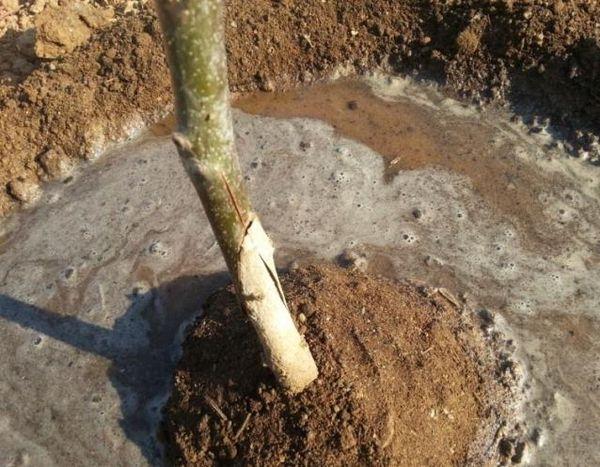
Overwatering is not suitable for this tree. During the growing season, water two to five times. The final watering should be done in the fall to allow for easier winter adaptation in low temperatures (below freezing).
Top dressing
Pear trees should be provided with essential micronutrients through root and foliar feeding. Three years after planting, organic matter should be added. And in the fall, to increase the pear's winter hardiness, treat it with fertilizers containing potassium and phosphorus.
Whitewash
Whitewashing is one of the pear tree care measures. This will protect the trees from sunburn. Since the resulting white color will reflect the sun's rays, the trunk will not overheat. Whitewashing can also protect against pests, as insects do not tolerate it.
Crown formation
As mentioned earlier, to obtain a good and consistent harvest it is necessary to form a tiered crown.
Spring pruning removes old, damaged shoots. Pruning (and crown shaping) is also necessary in the fall. After each pruning, the cuts are sealed with oil paint or garden varnish.
Seasonal treatments
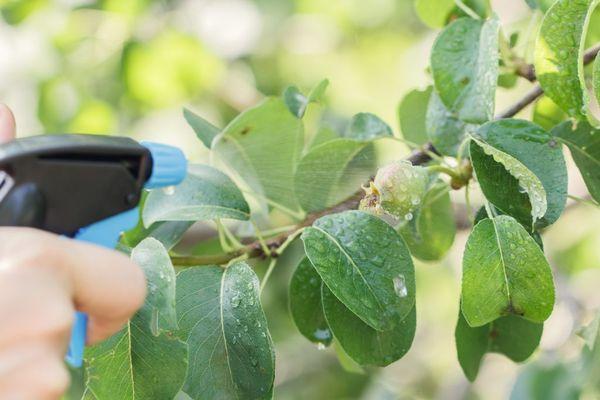
To remove harmful beetles and larvae, you can use chemical solutions or a homemade solution of laundry soap (40 g), hot water, and kerosene (80 g). Mix everything together and let it sit. Dilute the solution in 10 liters of water and spray the pear trees immediately. This will prevent the increase in leafhoppers by killing the larvae. This is best done during the warmer months.
Preparing for winter
Mature trees will survive even the harshest winters well. They don't require additional shelter. However, it's best to cover the trunk of young trees with agrotextile and mulch the area around the trunk with layers of sawdust, humus, or peat. You can protect the tree from the cold by hilling up the fallen snow.
Reproduction methods
Pear reproduces as Propagation can be done both vegetatively and by seed. Using seeds won't cause any initial difficulties. However, later, problems with seedling development and yield will arise.
Vegetative propagation involves cuttings and buds. This method is often used by gardeners to ensure a good harvest without wasting effort on growing the tree.
Gardeners' reviews of the Chudesnitsa pear
Gardeners have nothing but praise for this variety. It requires little special care. It is extremely winter-hardy. Even extreme conditions are suitable for growth and fruiting. Fruiting begins earlier than other pear varieties, as early as the fifth year (compared to a year or two later for others). The fruit itself has a long shelf life – 4-5 months.
Related posts:
 Description and full characteristics of the Yakovlev Memory pear variety, planting and care
 Description and full characteristics of the August Dew pear variety, planting and care
 Description of the Rogneda pear variety, planting and care instructions
 Description of the 23 best pear varieties for the middle zone, planting and care rules
 Description and characteristics of the Marble pear variety, pollinators and cultivation subtleties
 Description of the Cathedral pear variety, planting and care features
 The best ways to store pears at home during the winter
 Description and full characteristics of the Lada pear variety, care and cultivation