
- Nutritional value of vegetables
- Carbohydrates
- Fiber
- Potato protein
- Vitamins and minerals
- Other plant compounds
- The health benefits of potatoes
- Heart health
- Weight control
- Are potatoes harmful?
- Allergy
- Acrylamides
- Glycoalkaloids
- French fries and potato chips
- What are the benefits of freshly squeezed potato juice?
- Treatment with potatoes
- Can children eat potatoes?
- Contraindications for use
- Features of selection and cultivation
Numerous debates have raged over the benefits and harms of potatoes since their introduction into the diet. To find the truth, it's necessary to study the nutrients in this vegetable and understand its effects on the body. It's also important to understand the recommended form and cooking method for potatoes.
Nutritional value of vegetables
Thanks to their high nutritional value, potatoes provide a long-lasting feeling of fullness. Let's look at the nutrients found in 100 grams of this vegetable:
- 4.4 grams of protein;
- 0.3 grams of fat;
- 0.35 grams of carbohydrates;
- 5 grams of dietary fiber (cellulose).
In addition, potatoes are rich in ascorbic acid, potassium, calcium, magnesium and iron.
Carbohydrates
The carbohydrates in potatoes are an important source of energy. They also serve other beneficial functions:
- improve brain function;
- ensure proper intestinal peristalsis;
- promote the elimination of toxic substances;
- rid the body of bad cholesterol;
- normalize intestinal microflora.
Depending on how potatoes are cooked, they contain either fast- or slow-digesting carbohydrates. Baked potatoes contain fast-digesting carbohydrates, while plain mashed potatoes contain slow-digesting carbohydrates.
Fiber
Raw potatoes contain plant fiber. This component has a beneficial effect on the digestive system and intestinal function, as well as boosting immunity and regulating cholesterol levels.
Dietary fiber digests slowly, which helps maintain a feeling of fullness for a long time. This property of potatoes helps with weight management.
Potato protein
Potato protein is rich in essential amino acids, which are not synthesized in the human body but must be obtained from food. These include:
- lysine, which is necessary for proper bone formation and maintaining nitrogen metabolism;
- valine, which normalizes the process of muscle metabolism and restores damaged tissue;
- leucine, which activates the endocrine system and the release of growth hormone, and also reduces blood sugar levels;
- threonine, necessary for proper physical development;
- tryptophan, which regulates the functions of the circulatory system, central nervous and immune systems, and also stimulates the synthesis of nicotinic acid;
- phenylalanine, which is involved in the synthesis of glucose and thyroid hormones, affecting mood;
- Methionine, which stimulates the growth process, regulates thyroid function and is involved in the synthesis of hemoglobin.
Vitamins and minerals
Potatoes contain all the vitamins the body needs:
- C (ascorbic acid);
- A (retinol);
- E (tocopherol);
- IN1 (thiamine);
- IN2 (riboflavin);
- IN3 (nicotinic acid);
- IN5 (pantothenic acid);
- IN6 (pyridoxine);
- IN9 (folic acid).

This vegetable is also rich in minerals. Among them:
- potassium;
- phosphorus;
- chlorine;
- sulfur;
- magnesium;
- calcium;
- sodium;
- manganese;
- zinc;
- copper;
- iron;
- boron;
- molybdenum.

Other plant compounds
Potatoes contain the valuable flavonoid quercetin. This substance has powerful antioxidant properties and also has a beneficial effect on vascular and arterial permeability. Together with ascorbic acid, quercetin participates in redox processes, slows the aging process, and reduces inflammation and swelling.
Chlorogenic acid is the main polyphenol antioxidant found in this vegetable.
The health benefits of potatoes
Eating potatoes wisely benefits the human body and helps improve health. The substances contained in this vegetable strengthen bones and protect against osteoporosis, normalize blood pressure and gastrointestinal function, strengthen the cardiovascular system, and effectively fight inflammation and prevent the development of cancer.
Heart health
Properly cooked potatoes are very beneficial for maintaining heart health. Baked potatoes with their skins unseasoned are best for this purpose. The vegetable's positive impact on heart health is due to its content of nutrients such as B vitamins.2 Vitamin C, potassium, and plant fiber are also present. By lowering blood pressure, these components reduce the risk of cardiovascular disease.
According to a study conducted at the University of Scranton in the United States, people who ate 6-8 small vegetables daily had a reduction in systolic and diastolic blood pressure of 3.5% and 4.5%.
Weight control
Potatoes are also beneficial because they are filling. They provide a long-lasting feeling of fullness after consumption, making them ideal for weight management. Furthermore, thanks to their high protein content, this vegetable promotes muscle growth.
Are potatoes harmful?
In most cases, potatoes are healthy and completely safe. However, it's important to be aware of certain substances they contain that pose serious risks.
Allergy
Some people may experience allergic reactions to patatin, one of the main proteins found in potatoes. This is rare, but can cause some discomfort.
Allergic reactions to substances in potatoes can be food-related (nausea and vomiting, stomach pain), dermatological (rash, dermatitis) and respiratory (shortness of breath, inflammation of the mucous membranes, nasal congestion, allergic cough).
Acrylamides
Acrylamides are substances formed in carbohydrate-containing foods, including potatoes, when processed at high temperatures. These dangerous toxins can cause polyneuropathy with blue discoloration of the extremities and contact dermatitis, as well as increase the risk of cancer.
Take a look Also
Glycoalkaloids
Toxic phytonutrients called glycoalkaloids are found in all plants of the nightshade family. Potatoes contain two such substances—chaconine and solonine. They protect the vegetable from insect pests.
Consumption of these substances in large quantities leads to serious disorders:
- neurological disorders;
- increased respiratory rate;
- acceleration of heartbeat;
- a sharp decrease in blood pressure;
- fever.
The main signs of high levels of glycoalkaloids are a bitter taste in potatoes and a burning sensation in the mouth after consumption. This may be due to improper storage of the vegetable.
French fries and potato chips
Chips and fried potatoes are very popular and beloved foods. However, they also top the list of unhealthy foods.
This is due to the following factors:
- high calorie content due to the large amount of carbohydrates and fat;
- containing dangerous trans fats, which weaken the immune system, disrupt metabolic processes, cause genetic changes and contribute to the development of serious chronic diseases;
- abundance of salt and spices used in the cooking process;
- an increase in the content of carcinogens in oil due to its repeated heating;
- the content of aldehyde in overheated oil - a substance that provokes the development of Alzheimer's disease.
Being over-fried, over-salted and fatty products, chips and French fries cause the development of gastritis, as well as stomach ulcers.
What are the benefits of freshly squeezed potato juice?
Freshly squeezed potato juice contains vitamins, microelements and minerals, as well as other substances necessary for improving the health of the body.
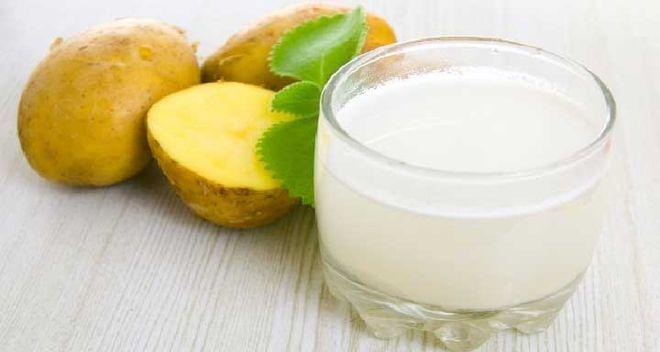
It has many useful properties:
- normalization of intestinal function;
- lowering blood glucose levels in diabetes;
- elimination of chronic heartburn;
- normalization of blood pressure;
- relaxation of the nervous system;
- removal of toxins and waste;
- healing of wounds, irritations, acne and boils;
- elimination of puffiness and dark circles around the eyes;
- softening the skin of the face and hands.
To make one glass of juice, you'll need two medium potatoes. Rinse them under running water with a brush and mash them without peeling them. Then squeeze them through a sieve or cheesecloth and let them sit for 2-3 minutes to remove excess starch.
Treatment with potatoes
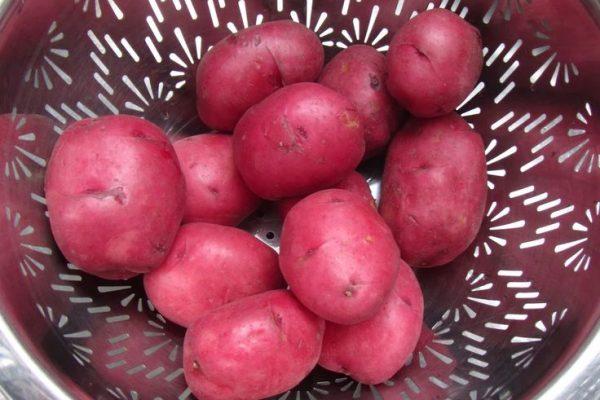
Potatoes are a tasty and nutritious food, as well as an affordable remedy that can help combat many ailments. To treat a cough, boil a few potatoes in their skins or, after wrapping them in foil, bake them in the oven. When the potatoes are ready, mash them until smooth, apply to the chest area, cover with plastic wrap, and wrap with a warm scarf.
The second method requires the peels of 3-4 vegetables. Boil them in a lidded container for 20 minutes, then inhale the healing steam for 15 minutes. This simple procedure is recommended three times a day for 2-3 days. For stomach ailments, including colitis, gastritis, and ulcers, drink fresh juice from this vegetable for two weeks. To consolidate the results, repeat the course after a short break.
To treat inflammation of the pancreas, not only juice but also the broth in which potatoes were boiled can be used. Drink 100 ml of broth with each meal. For varicose veins, compresses soaked in equal parts potato and cabbage juice are recommended for the affected areas.
Can children eat potatoes?
Mashed potatoes can be introduced into a child's diet from 7-8 months of age, after the baby has already become accustomed to zucchini, pumpkin and cauliflower.
It is necessary to prepare puree from this vegetable immediately before feeding, following the recommendations:
- potatoes need to be soaked in water for half an hour to remove nitrates;
- Baby puree should be diluted with warm milk or vegetable broth.
Contraindications for use
Potatoes in any form are not recommended for people with diabetes or obesity. For those with low gastric acidity, this vegetable, and especially its juice, can cause fermentation.
Features of selection and cultivation
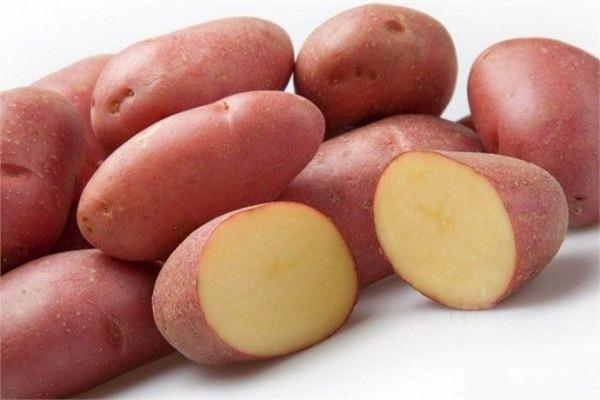
To grow potatoes, it's essential to select high-quality seed material. The tubers should be no larger than a chicken egg, uniform, and undamaged. They should be thoroughly dried and stored in a separate container until spring.
About a month before planting, the vegetable tubers should be soaked in a micronutrient solution for 20-30 minutes. This will ensure they grow well even in poor soils.
To sprout, place the potatoes in wooden or plastic containers. Line the bottom with plastic film, then add 2-3 centimeter layers of pine shavings, sawdust, and peat. Moisten the containers with a solution made from a complex fertilizer, wood ash, potassium permanganate, copper sulfate, Kornevin, and Bioglobin. This will promote growth.
Potato tubers should be planted immediately after the roots reach 1-2 centimeters in length. For this, dig holes 8-12 centimeters deep. The optimal distance between rows is 50-70 centimeters.
Related posts:
 Why potatoes aren't growing well in the garden, and what to do to ensure a bountiful harvest
 Description of the best potato varieties of domestic and foreign selection
 Description and characteristics of the Rodrigo potato variety, cultivation and care
 Description and treatment of potato diseases, methods of control using folk and chemical means
 Description and treatment of potato pests, control measures
 Description of the best potato varieties for 2025, selection for regions
 Description and characteristics of the Zhukovsky potato variety, planting and care
 Description and characteristics of the Gulliver potato variety, planting and care