
- Description and characteristics of the Gala potato
- Tubers
- Nutritional value
- Productivity
- Sustainability
- The main advantages and disadvantages of the variety
- Rules for growing potatoes
- Preparation of seed material
- Selecting the time and place of landing
- Landing features
- Further care of the crop
- Watering
- Loosening
- Hilling
- Weeding
- Fertilizers
- Protection from diseases and pests
- Diseases
- Rhizoctonia
- Late blight
- Pests
- Green aphid
- Mole cricket
- Harvesting and storing potatoes
- Feedback from our readers
The Gala potato variety was developed by breeders 10 years ago. It is characterized by early maturity, high yield, and strong immunity to many infections. The tubers have excellent flavor and retain their shape after cooking. They also contain high amounts of potassium, vitamins C, and E.
Description and characteristics of the Gala potato
The description of the early variety includes characteristics of the fruit, nutritional value, yield and disease resistance.
Tubers
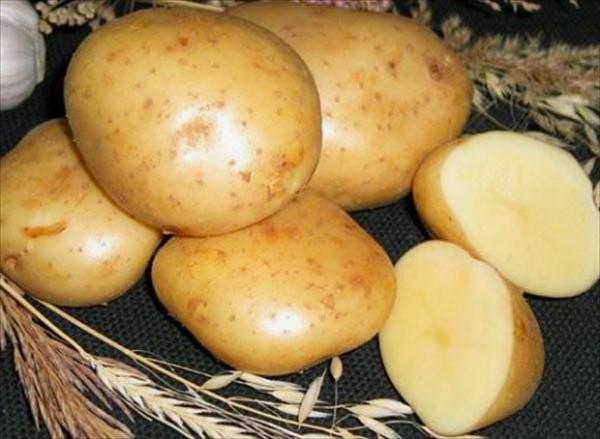
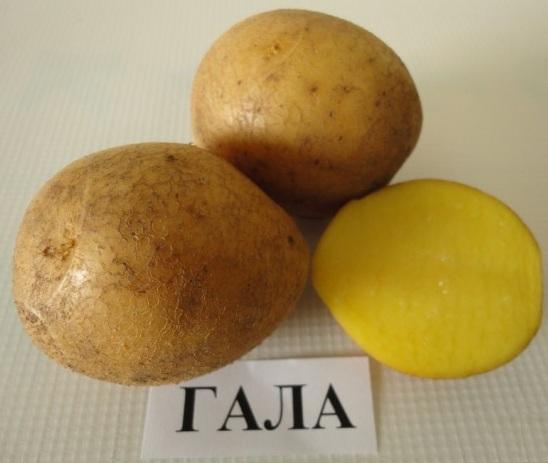
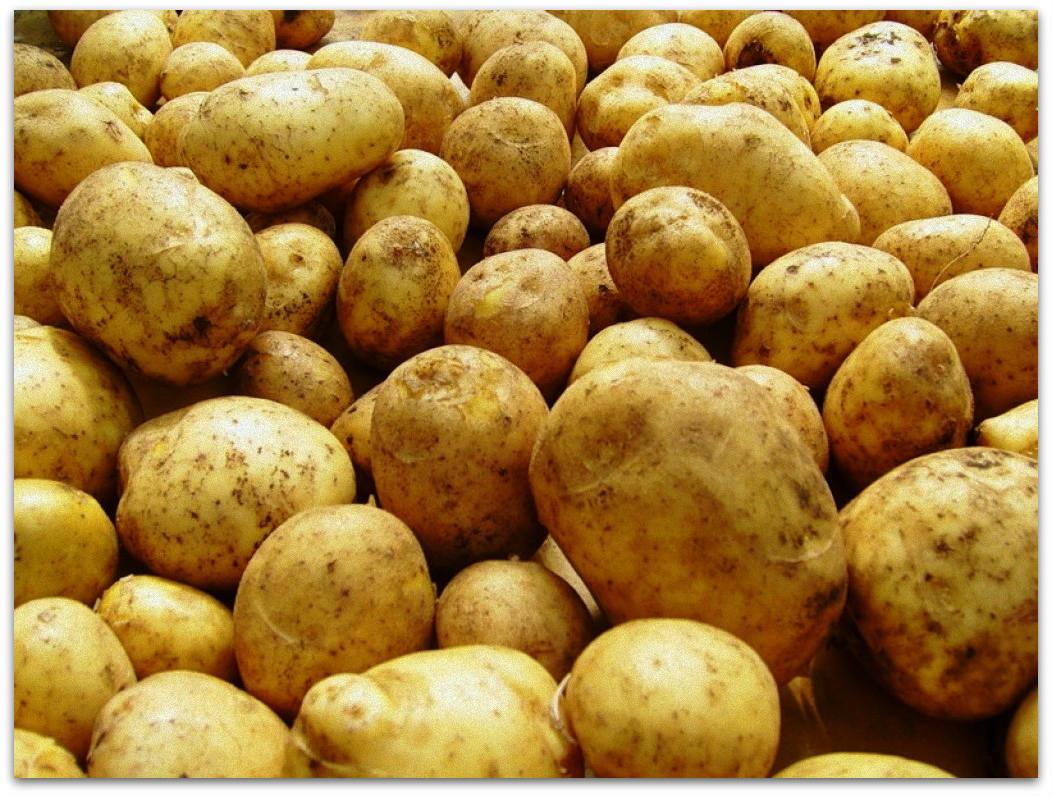
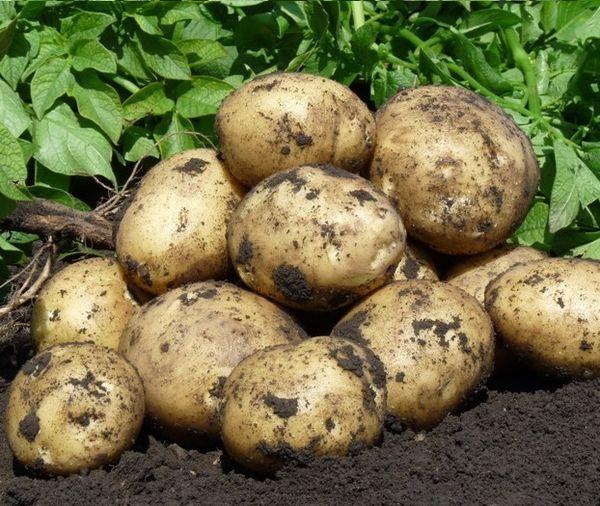
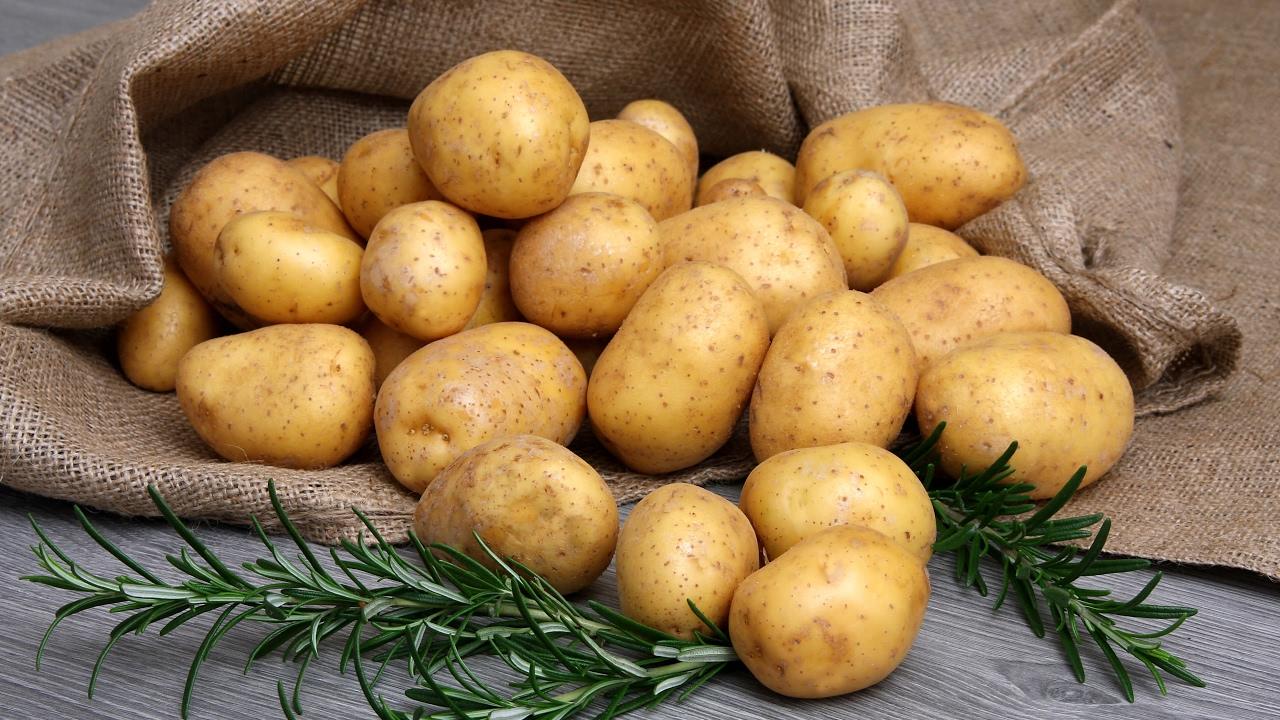
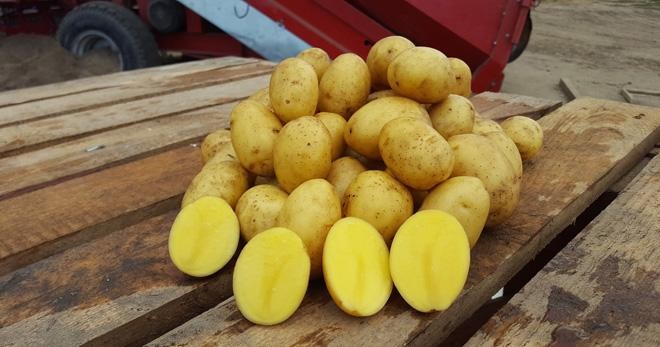
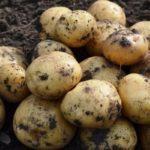
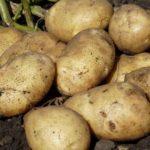
Up to 25 tubers are harvested from a single bush. They average 75 to 125 grams in size. They are covered with a light-brown skin and are round or oval in shape. The flesh is yellow when cut. The surface of the fruit has numerous eyes, each 1 mm deep. Upon germination, light purple sprouts form. The potatoes retain their shape after cooking. Taste experts rated them 5 stars for their taste.
Nutritional value
Tubers contain many nutrients. These include:
- starch 10-15%;
- protein 2%;
- potassium;
- vitamin C;
- Vitamin A.
100 grams of potatoes contain 80-90 calories.
Productivity
A high-yielding variety, yielding 16 to 25 tubers per bush. To obtain new potatoes, dig them up 40 days after sprouting. The yield of new potatoes is 170 centners per hectare. When harvested at the end of the growing season, yields range from 220 to 568 centners per hectare.
Sustainability
The Gala variety has strong immunity and is resistant to:
- Colorado potato beetle;
- scab;
- nematode;
- fruit blight;
- black leg.
Potatoes show average resistance to:
- late blight of tops;
- curling of leaves.
Important! The Gala potato variety is susceptible to rhizoctonia.
The main advantages and disadvantages of the variety
The variety has its advantages and disadvantages. The advantages include:
- high yield;
- resistance to Colorado potato beetle;
- immunity to many diseases;
- good taste;
- drought resistance;
- transportability;
- storage duration;
- even outlines of tubers.
Minor drawbacks include a susceptibility to rhizoctania. Otherwise, the variety is excellent for both commercial and home gardening.
Rules for growing potatoes
To grow a large potato harvest, it is necessary to prepare the seed material, choose the right time and place for planting, and plant according to all the rules.
Preparation of seed material
Seeds can be purchased at nurseries. However, they need to be prepared before planting. If potatoes are left over from last year, they are prepared in the same way as purchased ones. The procedure is as follows:
- Two weeks before planting, the seed material is sorted, and damaged and spoiled tubers are removed.
- The root crops are placed in an even layer in a well-lit and ventilated area.
- The room temperature should be around 18°C.
- Every 2-3 days the potatoes are turned over.
- Periodically, the fruits are sprayed with water from a spray bottle to accelerate the formation of sprouts.
- When the tubers turn green and the sprouts grow to 2 cm, they can be planted in the ground.

Selecting the time and place of landing
Planting time depends on the growing region. In warm regions, planting begins in early May. In temperate regions, it begins in mid-May. In northern regions, it begins in late May.
Since the variety is early ripening, the planting time can be pushed back a little until the danger of night frosts has completely subsided.
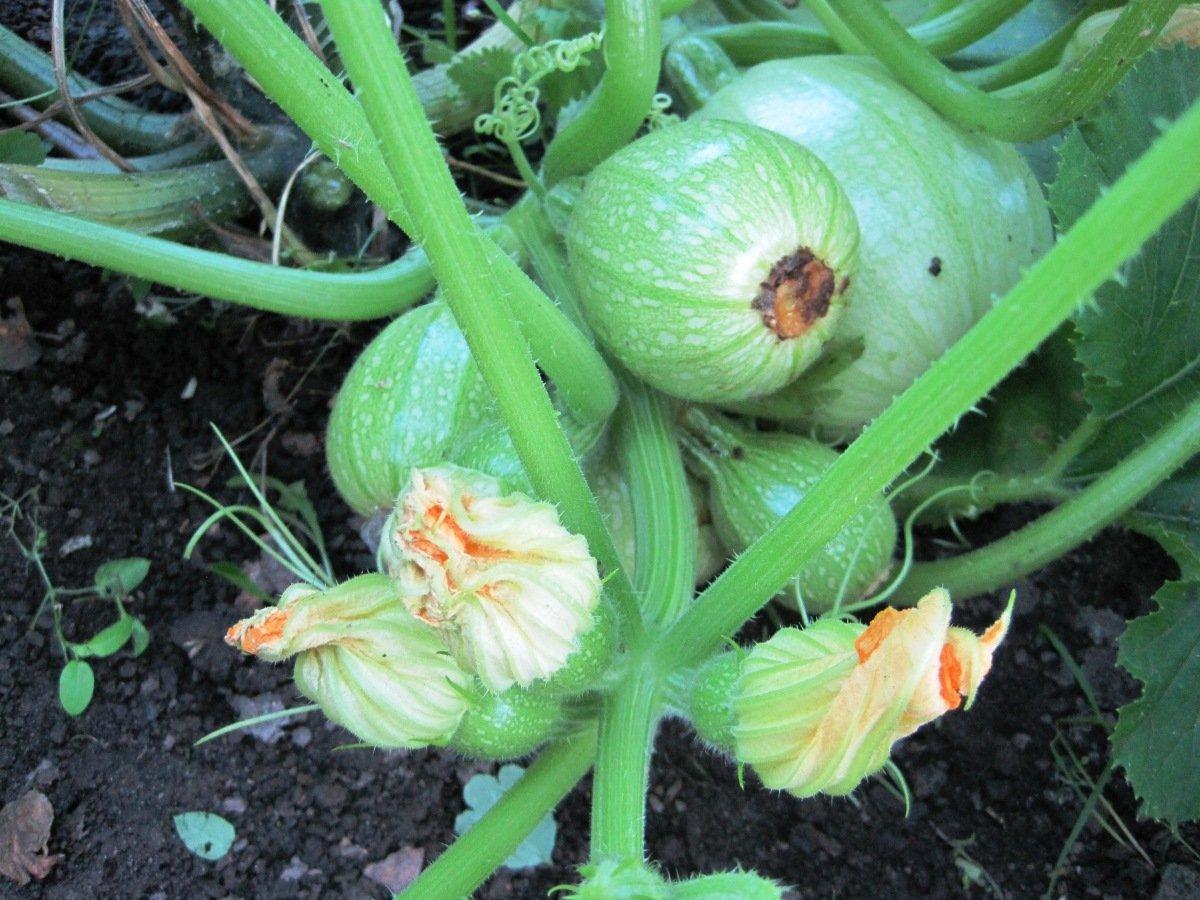
Gala prefers well-lit areas protected from drafts. The soil should be light and dry. In areas prone to flooding, drainage is recommended. The plant thrives in locations where:
- cucumber;
- pumpkins;
- zucchini;
- oats.
 Important! Don't plant potatoes in the same spot repeatedly. Allow 3 years between plantings.
Landing features
Soil preparation for planting begins in the fall. The selected area is dug over, removing all weeds and stones. Manure, compost, and ash are added. In the spring, the soil is dug over again. Beds are formed. The distance between each tuber is 25-30 cm, and between beds 50-60 cm. Planting is carried out as follows:
- Dig holes 8-10 cm deep. If the soil is dry, plant the seeds 15 cm deep; if it is wet and clayey, plant them 5 cm deep.
- Warm water is poured into each hole.
- Place the tubers.
- I sprinkle it with soil.
- The bed is leveled with a rake.
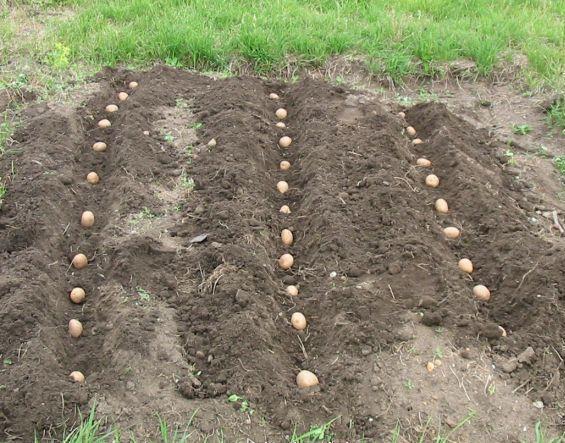
Planting is done in regular beds or ridges. For ridge planting, narrow beds are formed. The tubers are positioned at the ends of the beds. This ensures additional drainage of excess moisture.
Further care of the crop
To ensure a bountiful harvest of Gala potatoes, it's essential to follow proper care: monitor watering, loosen the soil, hill up the soil, weed regularly, and fertilize. Many care procedures begin when the plant is flowering. This is when it needs additional feeding and ample watering.
Watering
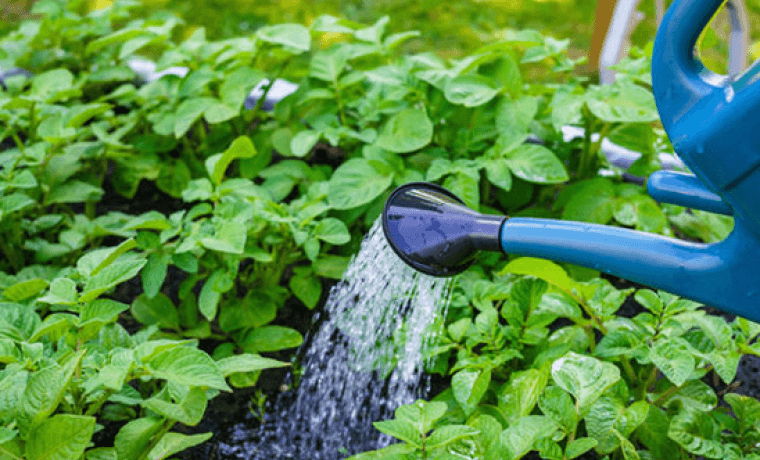
Watering is done three times per season. The first time, the bushes are watered two weeks after germination, using 3 liters of water per plant. The second watering is done during budding and flowering. During this time, the plant requires additional nutrition to support future root development. The third watering is done two weeks before harvest. During hot weather, watering is increased, while during frequent rainfall, it is reduced.
Loosening
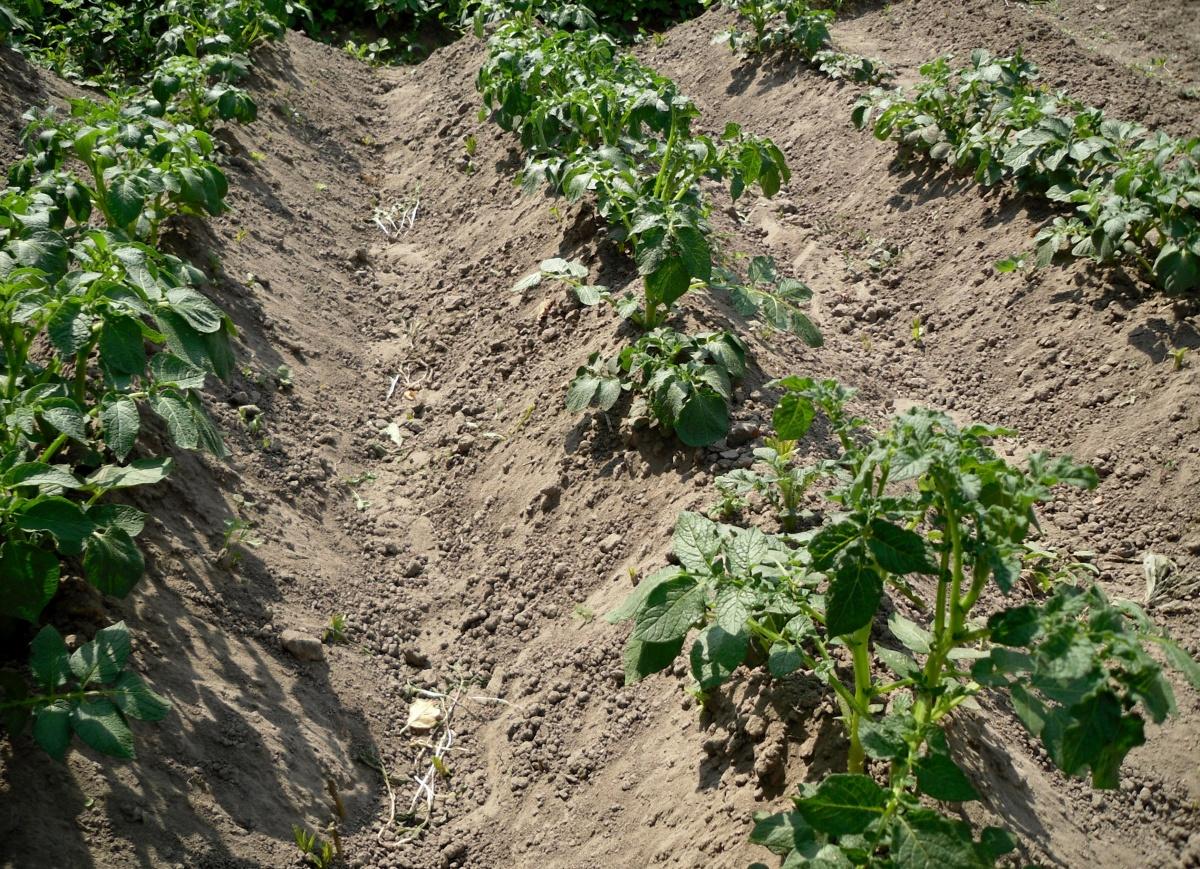
Loosening is done after every watering and rain. The formation of soil crusts on the soil is detrimental to tuber development, as it prevents oxygen from reaching the soil and proper root nutrition.
Hilling
Hilling protects the plant from harmful insects and retains essential moisture. Hilling is done three times per season. The first begins when the seedling reaches 20 cm in height. It is covered with soil so that 3-4 pairs of leaves remain above the surface. The second hilling is done two weeks after the first, and the third three weeks after the second.
Weeding
Weeding is essential to prevent weeds from depleting the soil where potatoes grow. Weeds are removed as they emerge. Weeding can be combined with loosening the soil. If too many weeds grow in the area, they will absorb all the nutrients, leaving insufficient for tuber formation.
Fertilizers
Gala potatoes require fertilizing every two weeks. This crop prefers mineral fertilizers containing nitrogen, phosphorus, potassium, and manganese. Use either mineral or organic fertilizers. Apply according to the instructions, as excess minerals will kill the plant.
Fertilization is carried out using both root and foliar methods. Root application involves watering the roots with dissolved fertilizer or applying it to the soil as a powder. Foliar application is done by spraying the fertilizer using a sprayer.
Protection from diseases and pests
The Gala potato is a fairly resilient variety; however, under unfavorable weather conditions, it may be susceptible to attacks by green aphids and the development of certain infectious diseases.
Diseases
The most common diseases Gala faces are late blight and rhizoctonia. These affect not only the above-ground portion of the crop but also the tubers.
To combat them at the beginning of the growing season, fungicides are used; the best ones contain copper.
Rhizoctonia
Gala is not resistant to this disease. It occurs with frequent rainfall, prolonged low temperatures, and moisture retention in the soil. Small black spots appear on the plant's leaves, and the blades gradually turn black, dry out, and fall off. A gray coating forms on the stem. The fungus also attacks the tubers, making them unsuitable for future planting.
Late blight
A fungal disease. Gala has high resistance to fruit damage and moderate resistance to foliar damage. The disease spreads rapidly, affecting all shrubs within 1-2 weeks. The disease develops on the lower leaves. Dark spots appear on them, then they begin to dry out and fall off. The damage begins on the underside of the leaf. Causes of the disease include:
- frequent rains;
- long-term maintenance of air temperature in the range of 15-20°C;
- morning dew due to frequent temperature changes between night and day.
Pests
The variety is resistant to Colorado potato beetles, but in very high humidity, the plants are attacked by green aphids. The tubers are also susceptible to soil-borne mole crickets.
Green aphid
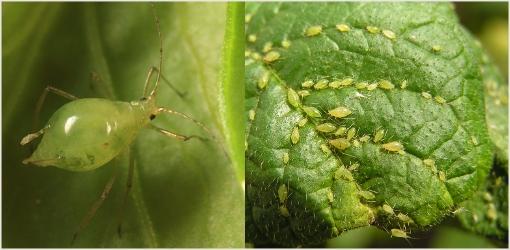
Green aphids are small insects that feed on potato leaf blades. They nest on the underside of the leaf, reproduce rapidly, and infect neighboring plants. To control them, spray with insecticides.
Mole cricket
The mole cricket is a large, burrowing insect that damages plant roots and root crops. To combat it, traps are set near potato beds. The captured insects are destroyed.
Harvesting and storing potatoes
Harvesting takes place 75-80 days after the start of the growing season. Ripening usually occurs in late August or early September. By this time, the tops have dried out and turned brown, and the tubers are easily separated from them. Digging is done with a shovel.
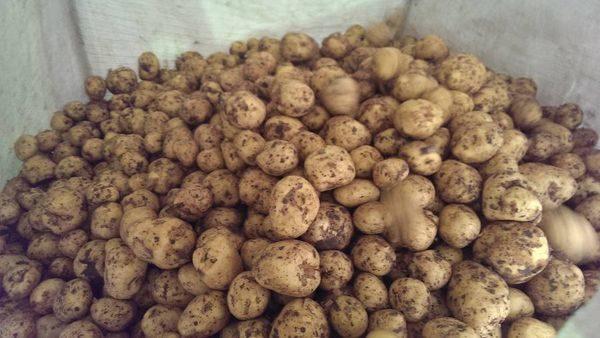
All the root vegetables removed from the soil are spread in an even layer in the cellar and left to dry for 1-2 weeks. The room should be well ventilated, but not exposed to direct sunlight. The fruits are then packaged in fabric bags and stored in a cool, dark place. Gala potatoes store well until the beginning of the next growing season.
After harvesting, the largest fruits, without damage or cracks, are selected for seed material for the following year.
Important! Harvesting should be done in warm, dry weather.
Feedback from our readers
Alena, 34 years old, Kerch
This year I bought Gala potatoes. I wanted to try growing an early-ripening variety. I planted them in late May and was pleased with their resistance to the Colorado potato beetle. I planted them in a raised bed, as the area has a high water table. We harvested them in late August, and dug up 15-16 tubers from each plant. I'll be using this variety again next year.
Tatyana 56 years old, Astrakhan
I bought Gala potato seeds from a nursery. I bought about 2 kg of them. I prepared for planting and chose a suitable site. I planted them, and the first shoots appeared 10 days later. The season was quite rainy. The bushes were infected with late blight, so I treated them. The tubers themselves were unharmed, but I don't want to risk using them for seed. I'm hoping for a successful harvest next year.
Alexey 32 years old, Krasnodar
I grow potatoes for sale and decided to try the early-ripening Gala variety. I really liked its characteristics. We planted them according to all the rules. After 40 days, we dug up the young potatoes for sale. They looked good and were easy to transport. The main harvest was harvested 75 days after planting. All the tubers were uniform, with small, but shallow, eyes.
Related posts:
 Description and varieties of Gala apple trees, planting and care in open ground
 Description of the best potato varieties of domestic and foreign selection
 Description and treatment of potato diseases, methods of control using folk and chemical means
 Description and characteristics of the Rodrigo potato variety, cultivation and care
 Description of the best potato varieties for 2025, selection for regions
 Why potatoes aren't growing well in the garden, and what to do to ensure a bountiful harvest
 Description and characteristics of the Gulliver potato variety, planting and care
 Description and characteristics of the Sante potato variety, planting rules and care