
- Description of Red Scarlett potatoes
- Appearance and characteristics of tubers
- Productivity
- Disease resistance
- Advantages and disadvantages of the variety
- Peculiarities of growing potatoes
- Preparation of seed material
- Landing site
- Landing specifics
- Care instructions
- Watering and fertilizing
- Loosening and weeding
- Hilling
- Potato diseases and pests
- Harvesting and storage
- Reviews from summer residents
The Red Scarlet potato variety was developed by Dutch breeders. Its growing season lasts 65 to 70 days. This variety is characterized by high yields. It is very popular among gardeners and is also used for commercial and commercial cultivation.
Description of Red Scarlett potatoes
The description of the Red Scarlet variety includes the appearance and characteristics of the fruit, resistance to diseases, and the yield of the variety.
Appearance and characteristics of tubers
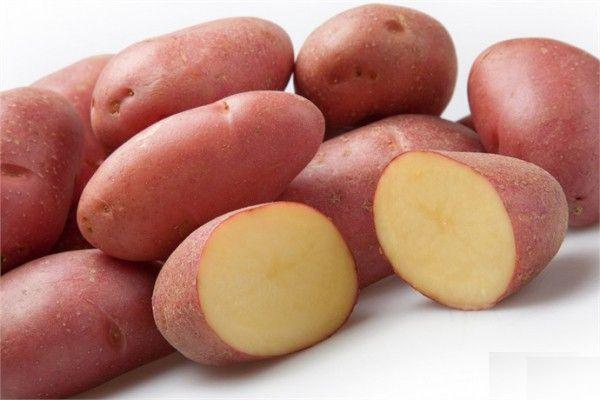
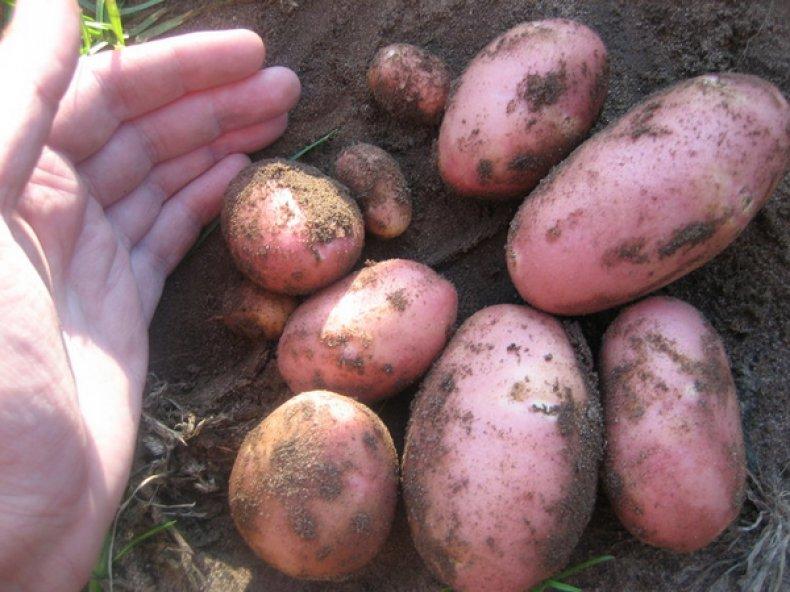
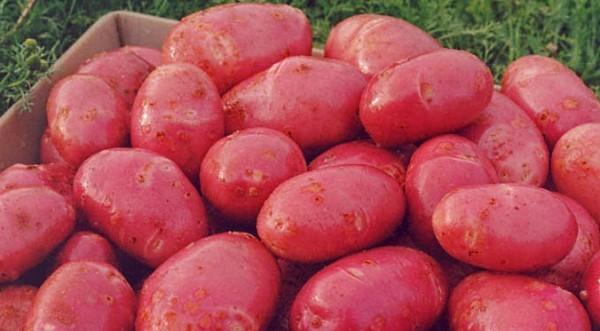
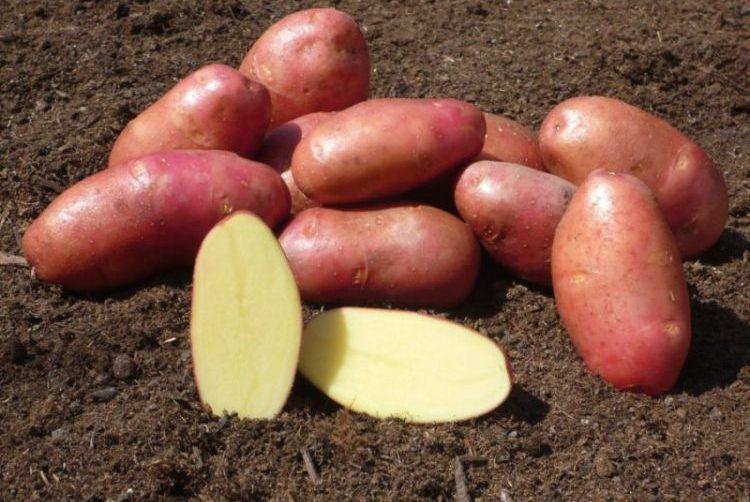
Red Scarlett tubers have an elongated oval shape. Their weight ranges from 80 to 120 grams. Fifteen to 20 tubers are harvested from a single plant. The skin is soft and thin with a pink tint. The flesh is white or light yellow. The starch content is 15-16%, which helps the potatoes retain their appearance after cooking.
Productivity
Red Scarlett yields vary across climates. It ranges from 45 to 60 tons per hectare. A single bush produces 15 to 20 tubers. The highest yields are observed in warm and temperate regions.
Disease resistance
This variety is characterized by moderate resistance. It is resistant to nematodes and potato cancer. The tubers are protected from late blight, but the tops are not. To avoid infection, preventative spraying with insecticides and fungicides is necessary. This treatment is carried out after the sprouts reach 20 cm in height.
 Important! If the plant is diseased, do not use the harvest for seed.
Advantages and disadvantages of the variety
The Red Scarlet variety has its advantages and disadvantages. The positive aspects include:
- early maturity of potatoes;
- high yield;
- easy care;
- high taste qualities;
- low starch content;
- preservation of appearance during preparation.
Disadvantages include the variety's average resistance to diseases and pests. However, with preventative treatment, it thrives in various regions and produces a high yield.
Peculiarities of growing potatoes
To get a good harvest, you need to know the rules for preparing seed material, choose a good planting site, and plant it correctly.
Preparation of seed material
Seeds can be purchased from nurseries or collected from your own plot. Two weeks before planting, the prepared tubers are placed in a well-lit and ventilated area. They are spread out in an even layer. Every 2-3 days, they are turned over and sprayed with water.
When all the fruits are completely green and produce sprouts 2-4 cm long, they can be planted in the ground.
Landing site
The planting site should be well-lit and away from drafts. The soil should be light, dry, and loose to ensure the roots receive adequate moisture after watering.
Potatoes grow well after growing the following crops:
- cucumber;
- pumpkin;
- zucchini;
- oats.
Important! After growing potatoes in this area, they cannot be planted again for another 3 years.
Landing specifics
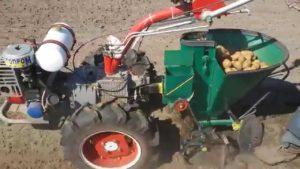
The Red Scarlet variety is characterized by high yields when planted in a ridge-like pattern. Narrow, raised beds are formed. The seeds are placed at the edge of the bed. This improves the drainage of excess moisture from the potato roots.
The tubers are planted 25-30 cm apart, with a 50-60 cm gap between rows. This planting pattern ensures each plant has enough space to grow and nutrients.
Before planting, mineral or organic fertilizers are added to the soil. Site preparation begins in the fall. The selected area is dug over, removing all weeds and rocks. Fertilizer is added. The procedure is repeated in the spring.
Care instructions
To ensure that potatoes take root well, the crop is provided with the necessary care: watering, fertilizing, loosening, weeding, and hilling of bushes.
Watering and fertilizing
Watering and fertilizing are carried out simultaneously three times per season. The first watering is done after the first shoots emerge, approximately three weeks after planting. Apply 3 liters of liquid per bush. The second watering is done during bud formation and flowering, and the third immediately after flowering ends.

Potatoes prefer fertilizers containing nitrogen, potassium, manganese, and phosphorus. Ready-made fertilizer complexes can be used or different fertilizers can be combined. Fertilization is done using either foliar or root application. Root application involves applying fertilizer dissolved in water under the plant or sprinkling the soil with dry fertilizer. Foliar application involves spraying the plants with organic or inorganic fertilizers.
Important! Fertilize after watering.
Loosening and weeding
Loosening and weeding the soil ensures better oxygenation of the shrubs and enrichment of the tubers with nutrients. Loosening is done after each watering or rainfall. The formation of a soil crust on the surface promotes root rot within the soil.
Weeding is done as needed. All weeds are removed from the plot as they emerge. Weeds deplete the soil and absorb some of its minerals. Neglecting weeding will result in a poor harvest.

Hilling
Hilling retains moisture at the potato roots and provides additional protection against harmful insects. Hilling is done three times per season. The first time, when the sprouts reach a height of about 20 cm, is covered with soil, leaving 2-3 pairs of leaves exposed. The second time is done two weeks after the first, and the third time, three weeks after the second.
Potato diseases and pests
Diseases that are typical for this variety include:
- late blight;
- fusarium;
- blackleg;
- Rhizoctonia;
- Alternaria.
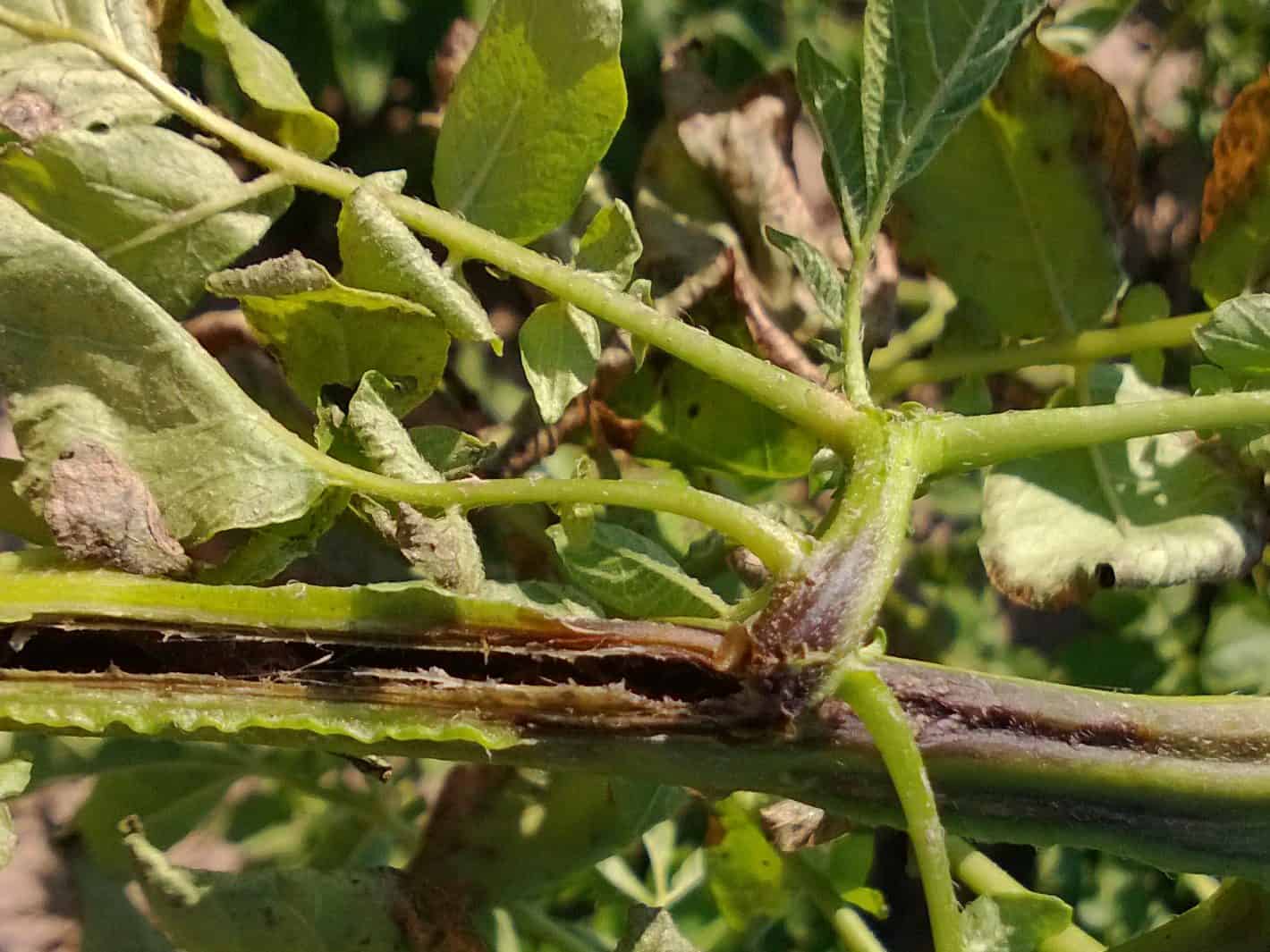
All diseases are caused by microscopic fungi. These spread to neighboring bushes. Leaves begin to blacken and become covered with a gray coating. Gradually, they turn yellow and dry out. Symptoms appear mid-growing season. In advanced stages, the disease affects the fruit. Part of the harvest will have to be discarded. To avoid this, treatment should be initiated at the first sign of disease. Treatment with fungicides is recommended.
Potato pests include:
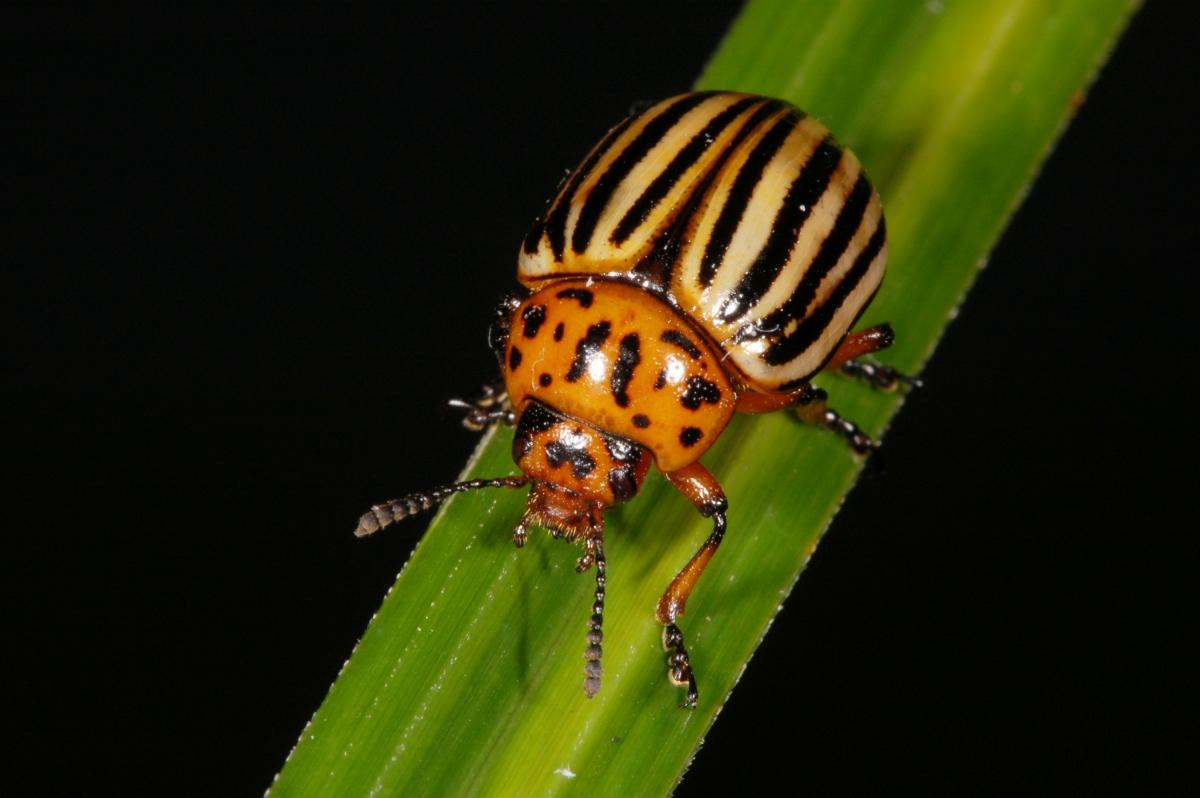
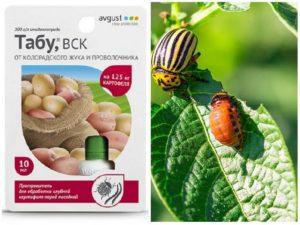
- Colorado potato beetle. This insect lays eggs on the surface of leaves, from which larvae hatch. They feed on the plant's leaves and impair the development of root crops. To control them, bushes are sprayed with insecticides.
- The mole cricket is a large insect that lives in the soil and feeds on plant roots. It eats away at tubers. To control them, traps are set near the garden beds, and the insects are destroyed.
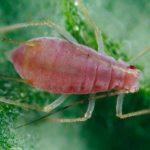
- Green aphids. These are small green insects. Their coloring makes them blend in with the leaves and they feed on plant sap. They reproduce quickly and settle on the undersides of leaves. Insecticides are used to control them.
Harvesting and storage
Harvesting time depends on the planting and maturity of the potatoes. This typically occurs 65 days after the first shoots emerge. By this time, the tops of the plants turn yellow and dry out, and the tubers separate easily. Dig up all the roots, spread them out in an even layer, and leave them for 10-14 days to dry. The drying area should be protected from light to prevent the potatoes from turning green.
Before packaging the potatoes, the largest and strongest specimens are selected for seed material for the following season. After drying, the roots are collected in fabric bags or breathable boxes and stored in a cool, dark place. The air temperature should not exceed 5°C.

Reviews from summer residents
Natalia, 57 years old, Chekhov
This year, I decided to try an early-ripening potato variety. The nursery recommended Rel Scarlett. I prepared the seeds and planted them using a raised bed. My soil is light and loose, and the plants grew and developed well. After the seedlings emerged, I treated all the plants with insecticides and fungicides. I dug up 15-18 tubers per plant.
Arthur, 37 years old, Moscow
I've been growing the Red Scarlet potato variety for three years in a row. I like that the tubers retain their shape when cooked. Low disease resistance isn't a problem if I treat them early in the growing season. My soil is moist and heavy. I ensure drainage before planting. The tubers grow to a medium size and the yield is high.
Ekaterina, 48 years old, St. Petersburg
A neighbor shared some Red Scarlet potatoes with me. I chose a suitable plot and planted them. After the seedlings emerged, the bushes became infected with late blight. I fought the disease with fungicides and folk remedies. The disease didn't spread to the tubers. We dug up 12-16 tubers from each bush.
Related posts:
 Why potatoes aren't growing well in the garden, and what to do to ensure a bountiful harvest
 Description of the best potato varieties of domestic and foreign selection
 Description and treatment of potato diseases, methods of control using folk and chemical means
 Description of the best potato varieties for 2025, selection for regions
 Description and treatment of potato pests, control measures
 Description and characteristics of the Jelly potato variety, planting rules and care
 Description and characteristics of the Rodrigo potato variety, cultivation and care
 Description and characteristics of the Bellarosa potato variety, planting and care