
Potatoes are one of the most widely consumed foods. There are many potato varieties, including Rosara. They are common not only in Russia but throughout the world. When choosing a potato variety, special attention is paid to its taste, ease of growing and caring for it, as well as its shelf life and good storage quality.
Description
Rosara is one of the oldest potato varieties, still popular today despite the development of new varieties. Rosara has maintained its leading position thanks to a number of properties that are particularly appreciated by residents of the Ural regions of our country, where the variety gained its popularity.
This variety is the result of the work of German breeders. It was entered into the State Register of the Russian Federation in 1996. It can be grown in both southern and central Russia, but is especially popular in the northern regions, as it is considered an early-ripening variety and produces a harvest during the short summer period.
Characteristics of the variety
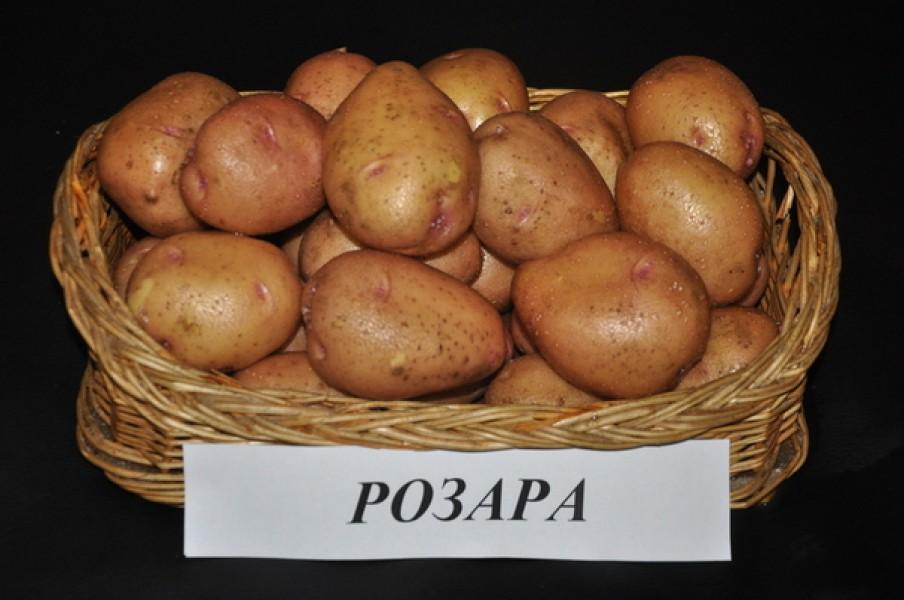
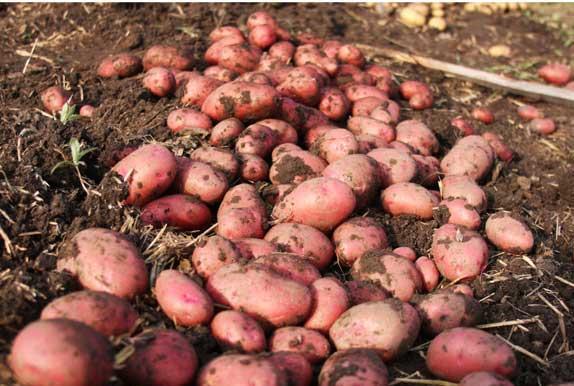
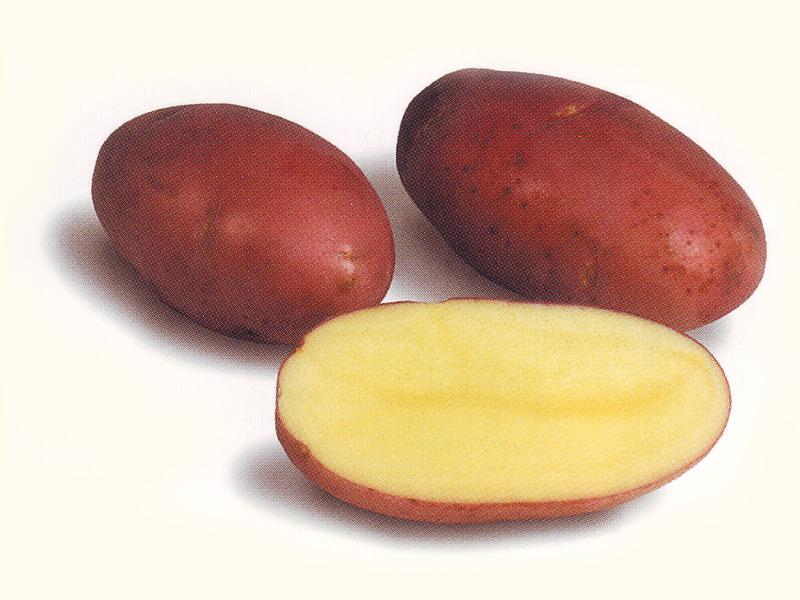
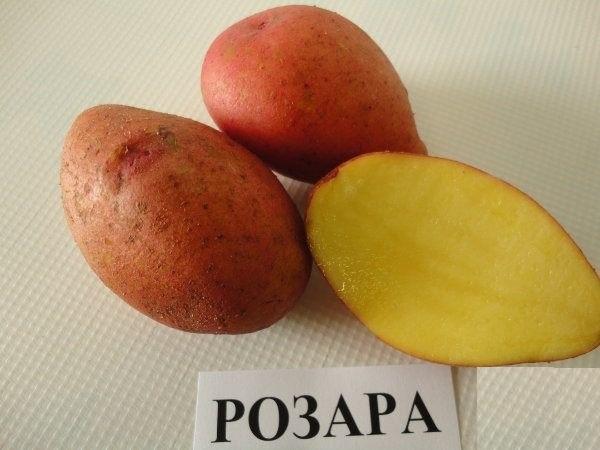
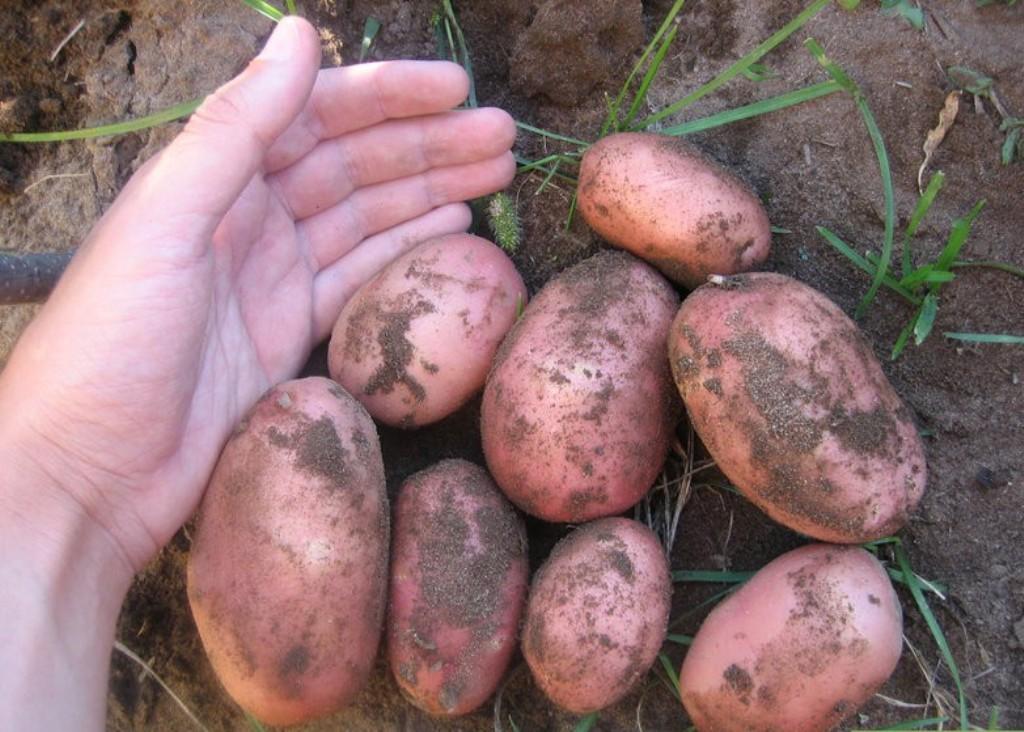
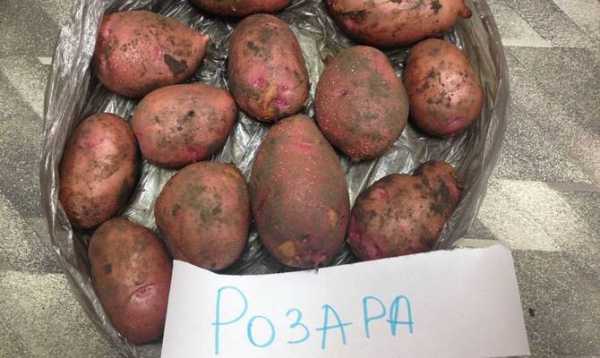
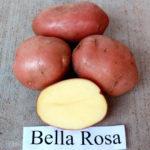
Rosara is an early-ripening potato variety. It takes an average of 70 days from germination to full maturity. The root is oval-shaped, with a reddish skin and yellowish flesh. The root is large. Rosara boasts a low starch content—approximately 17%.
Rosara is resistant to many diseases, including:
- potato cancer;
- nematode;
- scab.
When choosing a potato variety, it's not just disease resistance that's important; flavor is also important. The Rosara variety boasts this. Its roots have a delicate and pleasant flavor, as well as high nutritional value.
It's blooming potatoes with small purple flowers or reddish in color with yellow stamens. The bushes are medium-sized.
Rosara is also known for its high yield. One square meter can yield up to 30 kg of potatoes. Those looking for a bountiful harvest should definitely try this variety. It is recommended to purchase seed at least once every four years, as potatoes grown from small tubers begin to shrink over time. Rosara is grown for both home and commercial purposes.
While high yields, disease resistance, and ease of cultivation are important to those who grow the crop, other qualities are also of particular importance to homemakers:
- large or medium sized root vegetables;
- the presence of small eyes;
- high taste qualities.
Take a look Also
All of the above qualities are inherent to this variety. The potatoes are easy to peel, firm, and have excellent flavor, becoming tender and crispy when cooked.
Pros and cons
Rosara has many desirable qualities. Among its advantages are the following:
- High yield.
- Large size of root crops.
- Early ripening makes Rosara popular in the north, where summers are short.
- The variety stores well and is easy to transport.
- High taste qualities.
- This variety is versatile in cooking. It has a delicate flavor and is crispy when cooked. It's ideal for purées, salads, and soups. However, it's not as well suited for frying.
- Easy to care for.
- Resistance to a number of diseases.
- There is no need to change the seed material every year.
The variety doesn't have many disadvantages. The downsides are as follows:
- This variety's bushes are spreading. This complicates potato care, as the shoots bend heavily toward the ground, making it quite difficult to hill up.
- Not suitable for frying.
- Low immunity to diseases such as late blight.
Rosara doesn't have many downsides.
Specifics of growing potatoes
Rosara is an early-ripening potato variety. This quality makes it extremely popular among residents of the northern regions, where summers are short. However, Rosara is suitable for growing for only two summer months.
Initially, you will need to purchase seed material - this will allow you to better assess the quality of the potatoes.
In good weather, potatoes will take only two months to fully ripen. If you plant potatoes in May, you can start harvesting the delicious fruits as early as early August.
Rosara copes well with such weather conditions as:
- drought;
- prolonged absence of sun;
- cold snap;
- dangerous diseases.
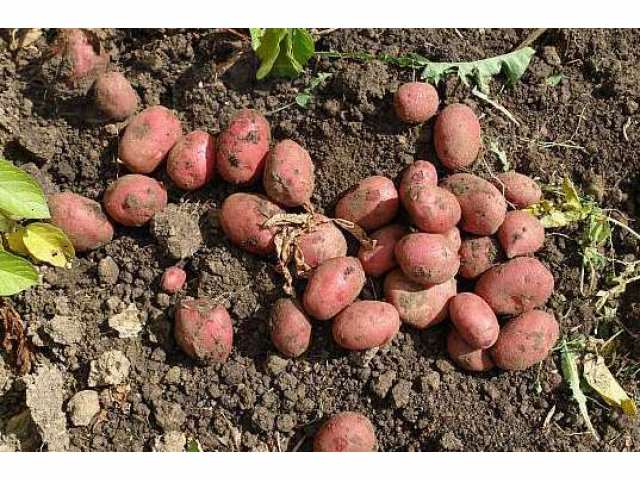
A distinctive feature of this variety is its unpretentiousness in cultivation.
Selecting a site and preparing the soil
This potato variety is best planted in well-lit areas. Fertilizing the area beforehand is recommended. Compost, manure, phosphorus, and potassium fertilizers can be used. Also, applying nitrogen-rich fertilizers in the spring is a good idea.
The ideal soil for planting this variety is sandy soil with good water permeability, where moisture does not stagnate.
Experts recommend planting potatoes in areas previously occupied by crops such as pumpkins, cabbage, corn, or legumes. Potatoes are not recommended for areas previously occupied by nightshade crops or, for example, sunflowers.You should start planting when the soil has warmed up and the risk of frost has passed.
Preparation of seed material
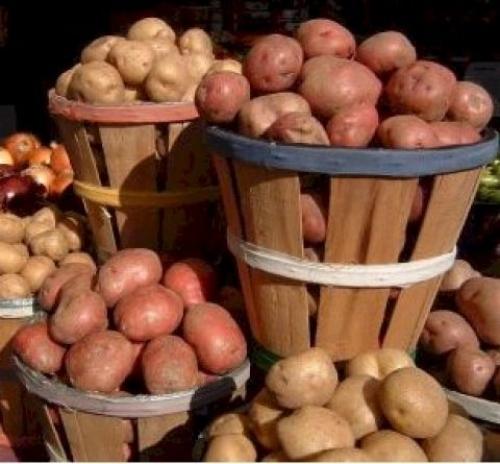
Sprouting tubers is a useful procedure that can shorten the growing season by 1-2 weeks. After the growth buds on the tubers begin to emerge, it is recommended to cover them with damp sawdust. Apply a 4 cm layer of sawdust. Once the tubers are dry, it is recommended to spray them with a biostimulant solution. Suitable biostimulants include "Mikon" or "Epin."
About 2-3 weeks before planting, it's recommended to expose the potato tubers to sunlight. This allows the skin to develop a greenish color. This significantly increases resistance to a number of diseases and also increases yield.
Landing
Planting is carried out according to requirements. The Rosara variety's planting pattern is as follows:
- Before planting potatoes, the soil should be plowed to a depth of approximately 30 cm.
- It is recommended to add potassium and phosphorus fertilizers to the planting holes.
- The depth of the hole depends on the soil type. If the soil is sandy loam, the hole should be 9 cm deep; if the soil is loamy, 7 cm.
- The distance between planting holes should be approximately 35-40 cm.
- The potatoes are placed in the hole with the sprouts facing up after fertilizing.
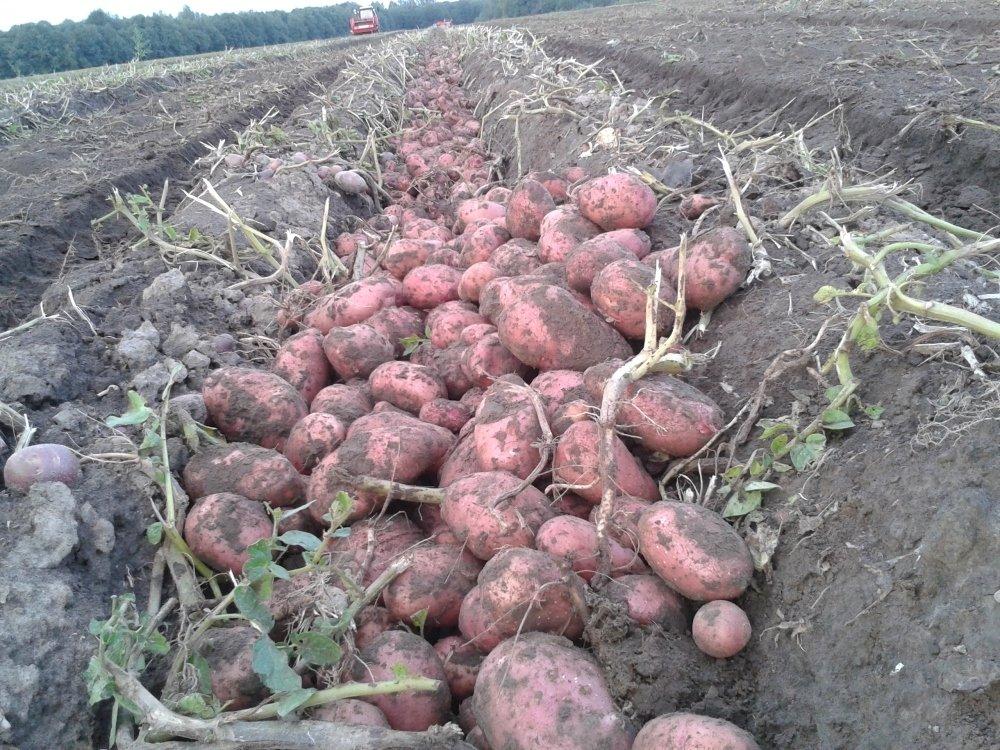 Many vegetable growers recommend using a mixture of eggshells, wood ash and onion peels as a fertilizer.
Further care of the plant
Rosara potatoes are easy to grow and care for, but it is essential to follow proper agricultural practices.
Watering and fertilizing
If the weather is hot and dry, watering potatoes is a must. However, watering must be done correctly, as excess moisture can cause potato death. This variety requires artificial watering due to its large, spreading tops, so the norm is 5 liters per plant.
Rosara doesn't require a lot of fertilizer; it's fed 2-3 times per season. The following fertilizers are recommended:
- compositions containing potassium and phosphorus;
- wood ash;
- compost.
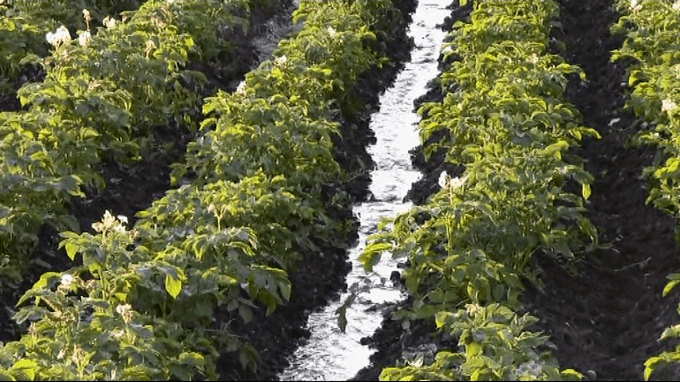
After the first shoots emerge, it's also recommended to apply chicken manure and mineral fertilizers. Before flowering, potassium and phosphorus fertilizers, as well as wood ash, are suitable. These fertilizers are also effective when flowering and leaf growth are strong.
Hilling
It is recommended to perform this procedure twice during the growing season. It is recommended to hill up potatoes immediately after watering or rain. The first time you hill up potatoes, you should cover each plant with 12 cm of soil, and the second time, you should cover it with 20 cm.
Mulching
This procedure is necessary after the bushes have grown 10 cm. This procedure helps rid the soil of weeds and saturate it with oxygen.
Protection from diseases and pests
The Colorado potato beetle is considered the main enemy of the Rosara potato variety. It must be controlled, as it has a detrimental effect on yield. Recommended pest control methods include:
- Biological products. They are effective against pests and are harmless to plants. These include Fitoverm, Colorado, and Bicol.
- Chemicals are also effective against pests. However, when using them, safety precautions must be observed, including wearing protective clothing.
- Hand collection.
 Folk remedies for combating the Colorado potato beetle are also recommended, such as a birch charcoal solution.
Harvesting and storage
Before storing the dug-up tubers, they must be air-dried. To prevent the skin from turning green, it's important to protect them from direct sunlight. After this, remove the bad tubers and store the rest. The storage temperature should be around 3°C (37°F). Humidity should not exceed 85%.
It is recommended to place pebbles, crushed rock, or sand on the bottom of the storage area. It is very important to prevent exposure to sunlight.
For storing potatoes, it is recommended to use either wooden boxes or mesh bags.
Reviews from gardeners
Natalia, 54: "My family is a huge potato lover. Last year, we decided to buy the Rosara variety after hearing tons of good reviews from friends. We were delighted with the potatoes. We harvested so much that we have enough for the winter and some left over for the spring. The tubers are large and smooth. Rosara potato puree is delicious; family and friends love it."
Victor, 63: "We grow potatoes every year. For the last three years, we've been planting the Rosara variety. From now on, I'll only plant this variety because it ripens early, produces a large harvest, and has a great flavor. It's perfect for soups and salads because it's dense and doesn't fall apart, and mashed potatoes made from it are a staple on our table."
Related posts:
 Description of the best potato varieties of domestic and foreign selection
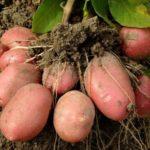 Description and characteristics of the Rodrigo potato variety, cultivation and care
 Characteristics and description of the Queen Anna potato variety, planting and care
 Description and characteristics of the Krasavchik potato variety, planting and care
 Why potatoes aren't growing well in the garden, and what to do to ensure a bountiful harvest
 Description and characteristics of the Gulliver potato variety, planting and care
 Description and characteristics of the Bellarosa potato variety, planting and care
 Description of the best potato varieties for 2025, selection for regions